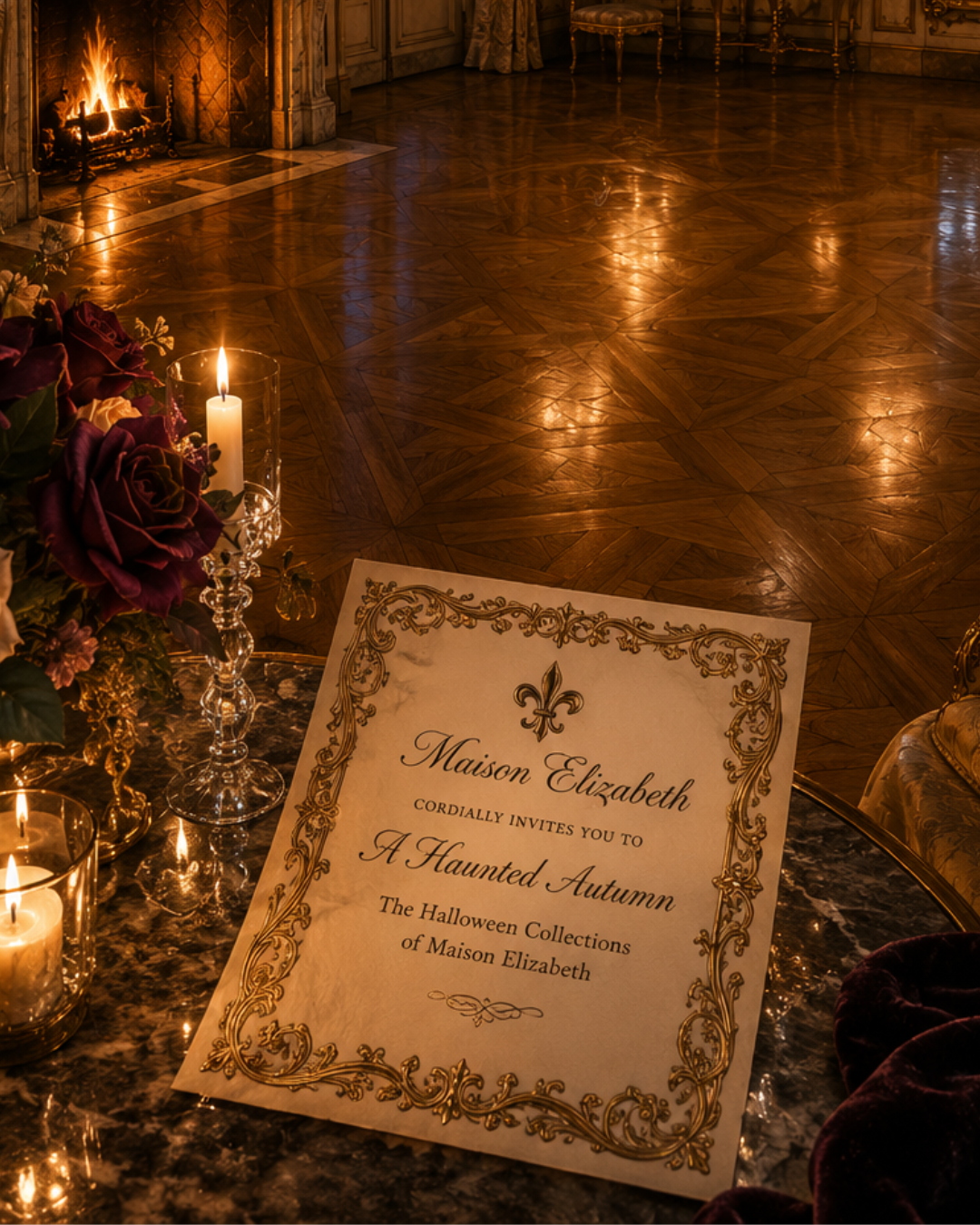
A Haunted Autumn: The Halloween Collections of Maison Elizabeth
*affiliate links are used in this post
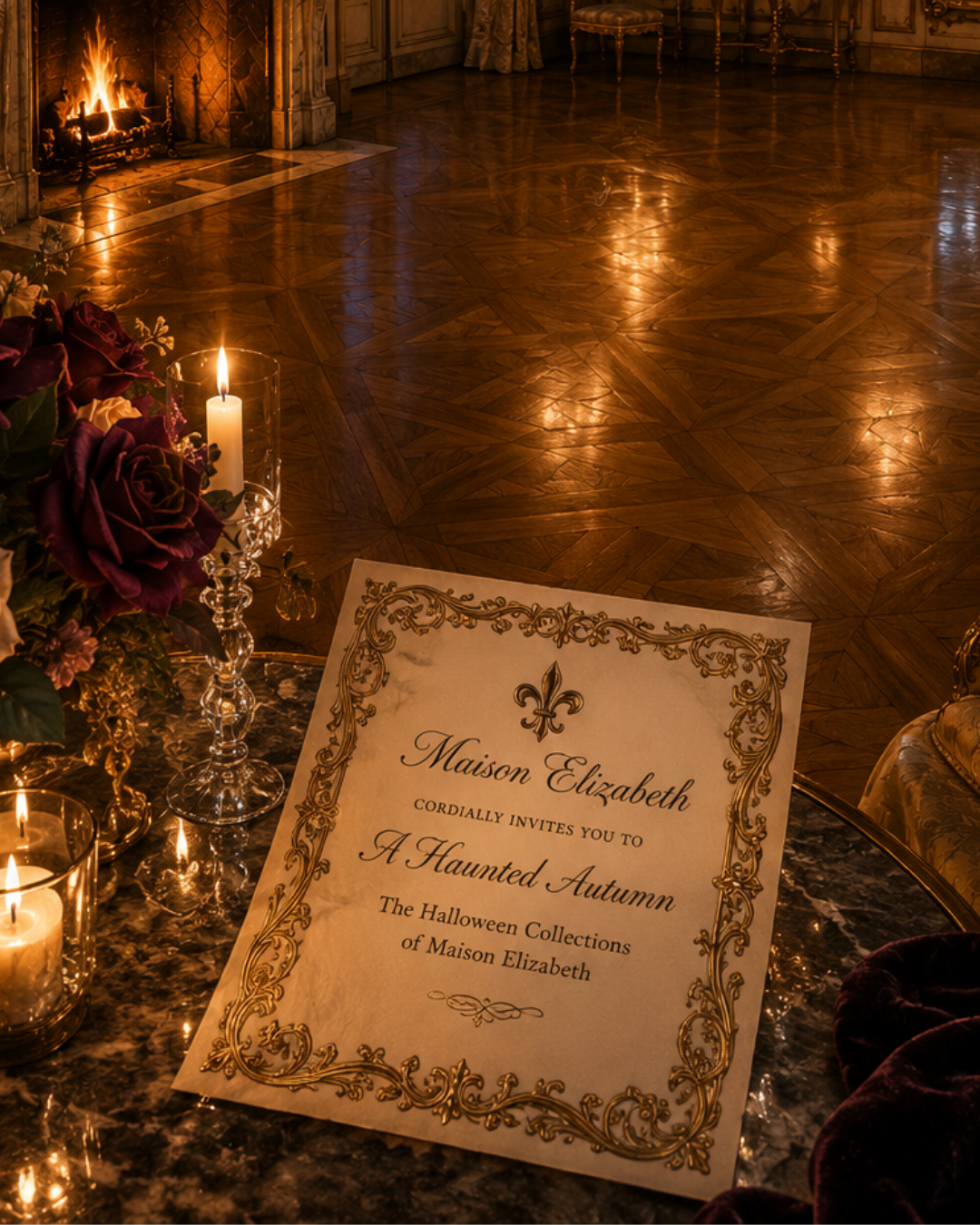
There is something about autumn that invites a little mystery.
The evenings arrive earlier. Candles are lit before dinner. Gardens disappear into shadow, old houses begin to creak, and familiar rooms somehow feel different after dark.
For Halloween, Maison Elizabeth leaves the bright orange pumpkins and cheerful ghosts behind and wanders somewhere a little more romantic.
A Haunted Autumn is a collection of rooms, courtyards, gardens and gatherings inspired by old Paris apartments, forgotten European houses, candlelit evenings and the beautiful uneasiness of another era. Here, crystal chandeliers glow over midnight tea, roses bloom in improbable October colors, velvet chairs wait beside the fire—and an antique statue glimpsed through the garden may make you look twice.
Nothing is quite frightening.
But perhaps something is slightly haunted. Magical. Anything could happen.
Each setting is created from real, obtainable pieces, so that even the most atmospheric fantasy can inspire something beautiful at home—from a single gilded mirror or antique-style lantern to an entire candlelit Halloween gathering.
So light the candles. Pour the wine. Leave the garden gate open.
October has arrived at Maison Elizabeth.
A Haunted Parisian Courtyard
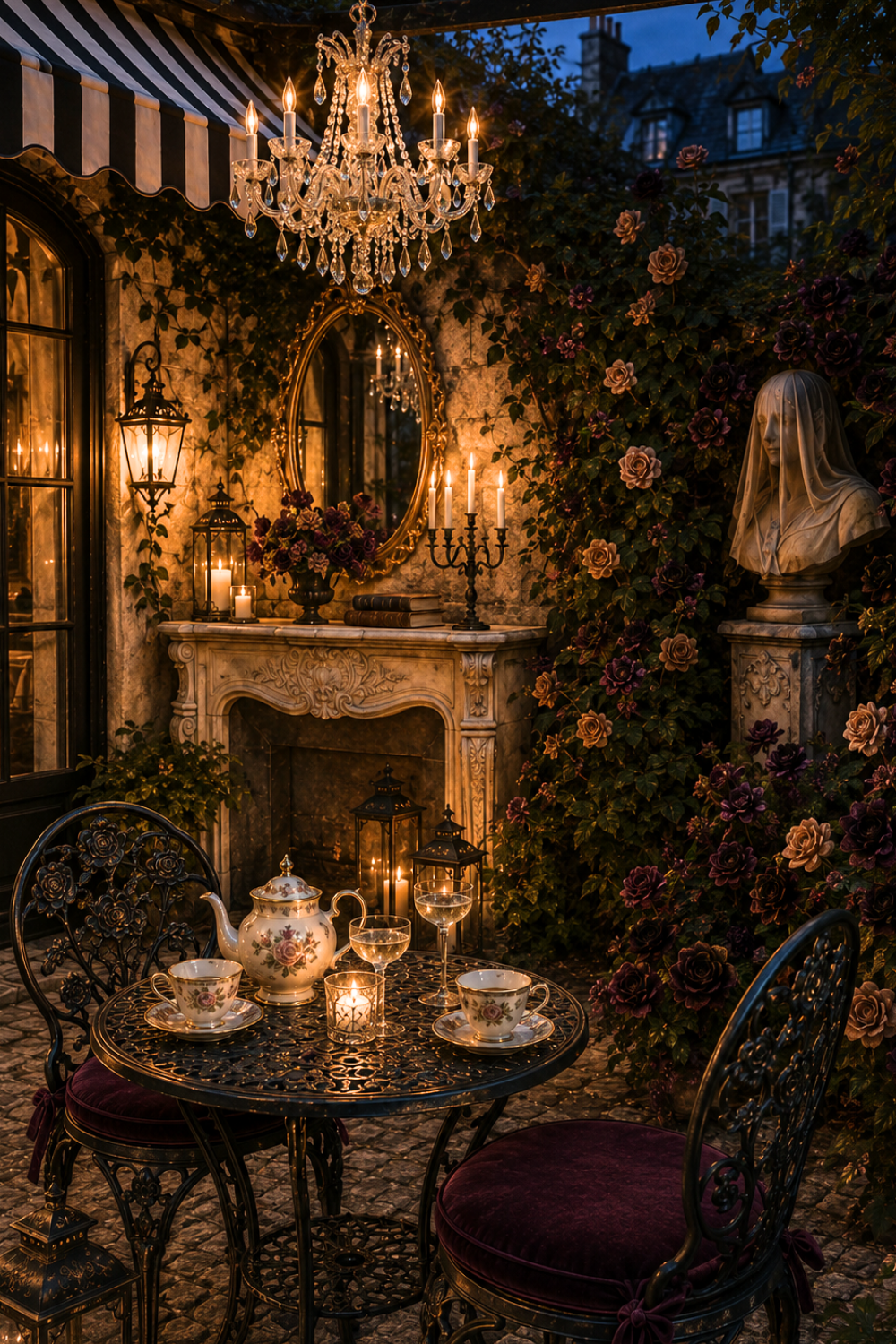
Somewhere behind an old iron gate in Paris, the evening has begun.
A crystal chandelier glows unexpectedly beneath the open sky. Candlelight flickers across weathered stone and gilded details. Tea has been poured at a little iron table, deep plum velvet waits on the chairs, and roses in strange shades of dark violet and faded apricot have grown wonderfully unruly along the courtyard walls.
It is beautiful. Romantic. Almost impossibly so.
And yet, something about the courtyard feels different after dark.
Beyond the candlelight, half-hidden among the roses, a veiled woman keeps her silent watch. Perhaps she has always been there. Perhaps you simply didn't notice her when you arrived.
A Haunted Parisian Courtyard is Halloween imagined the Maison Elizabeth way—not with cobwebs and skeletons, but with old-world beauty, candlelight, roses, and just enough mystery to make you look twice.
Every piece in the collection is chosen to help recreate the enchantment at home.
Come in. The tea is still warm.
Shop the Haunted Parisian Courtyard Collection
The Parisian Stone Mantel
A beautifully carved French-style mantel brings instant architectural romance to even the simplest space. Its pale, timeworn finish creates the feeling of an old Parisian courtyard wall—and the perfect place for candles, flowers, and a little after-dark enchantment.
The Gilded French Mirror
Ornate scrollwork and an aged gold finish give this mirror the feeling of something discovered in a Paris flea market. Hung above the mantel, it catches candlelight beautifully and adds that essential touch of faded grandeur.
The Veiled Lady
Beautiful, strange, and just a little unsettling. This classical veiled bust becomes the quiet mystery of the courtyard when placed on a pedestal and allowed to disappear partially behind rambling roses and shadow.
The Classical Garden Pedestal
A traditional architectural pedestal gives sculpture the importance it deserves. Tucked into an overgrown corner of the garden, it creates the impression that the courtyard—and perhaps its mysterious resident—has been here for generations.
Old World Outdoor Sconce
For a romantic glow.
The Black French Garden Urn
A dark classical urn brings old-world structure to masses of romantic blooms. Fill it generously with deep plum, burgundy, and dusky apricot flowers for a floral arrangement that feels more decadent than traditionally autumnal.
The EbbTide Rose
Velvety, dramatically dark roses transform the courtyard without a single conventional Halloween decoration. Their extraordinary wine-purple color feels almost black as evening falls—the perfect flower for a garden with secrets.
The Koko Loko Rose
Soft apricot roses keep the darker palette romantic rather than gothic. Mixed among deep purple blooms, their antique coloring creates the faded, painterly quality of flowers gathered from an old French garden.
The French Rose Bistro Set
An ornate metal bistro table and chairs turn a corner of the courtyard into an intimate destination for two. The sculpted rose details feel perfectly at home among climbing flowers, candlelight, and the slightly theatrical romance of Paris after dark.
The Plum Velvet Bistro Cushions
Unexpected velvet changes the little garden chairs completely. Deep plum introduces richness, softness, and autumn color while making an ordinary evening outdoors feel wonderfully indulgent.
The Black and White Parisian Awning
A striped awning instantly establishes the setting: unmistakably French, wonderfully graphic, and just playful enough to keep the courtyard from becoming too serious. Against roses and old stone, it gives the scene the feeling of a forgotten little Parisian hôtel particulier.
The Crystal Courtyard Chandelier
Crystal beneath the open sky is exactly the kind of beautiful impracticality this collection calls for. Suspended above the courtyard table, the chandelier scatters warm light through the darkness and turns an outdoor dinner into something almost cinematic.
The Antique-Style Lantern
Placed along the mantel, beside the table, or disappearing into the garden, an old-world lantern adds pools of flickering amber light without illuminating everything. That is precisely the point—the courtyard should always leave a few corners unexplained.
The Gothic Garden Candelabra
Tall, ornate candlelight introduces drama without resorting to obvious Halloween décor. Allow the candles to glow among the roses and ironwork for the feeling of an evening that might belong to this century—or another.
The Romantic Rose Tea Service
An unapologetically feminine floral tea service is the charming counterpoint to all that darkness. Gold details catch the candlelight while old-fashioned roses make it feel as though tea has been laid for guests in this courtyard many evenings before.
The Midnight Garden Supper
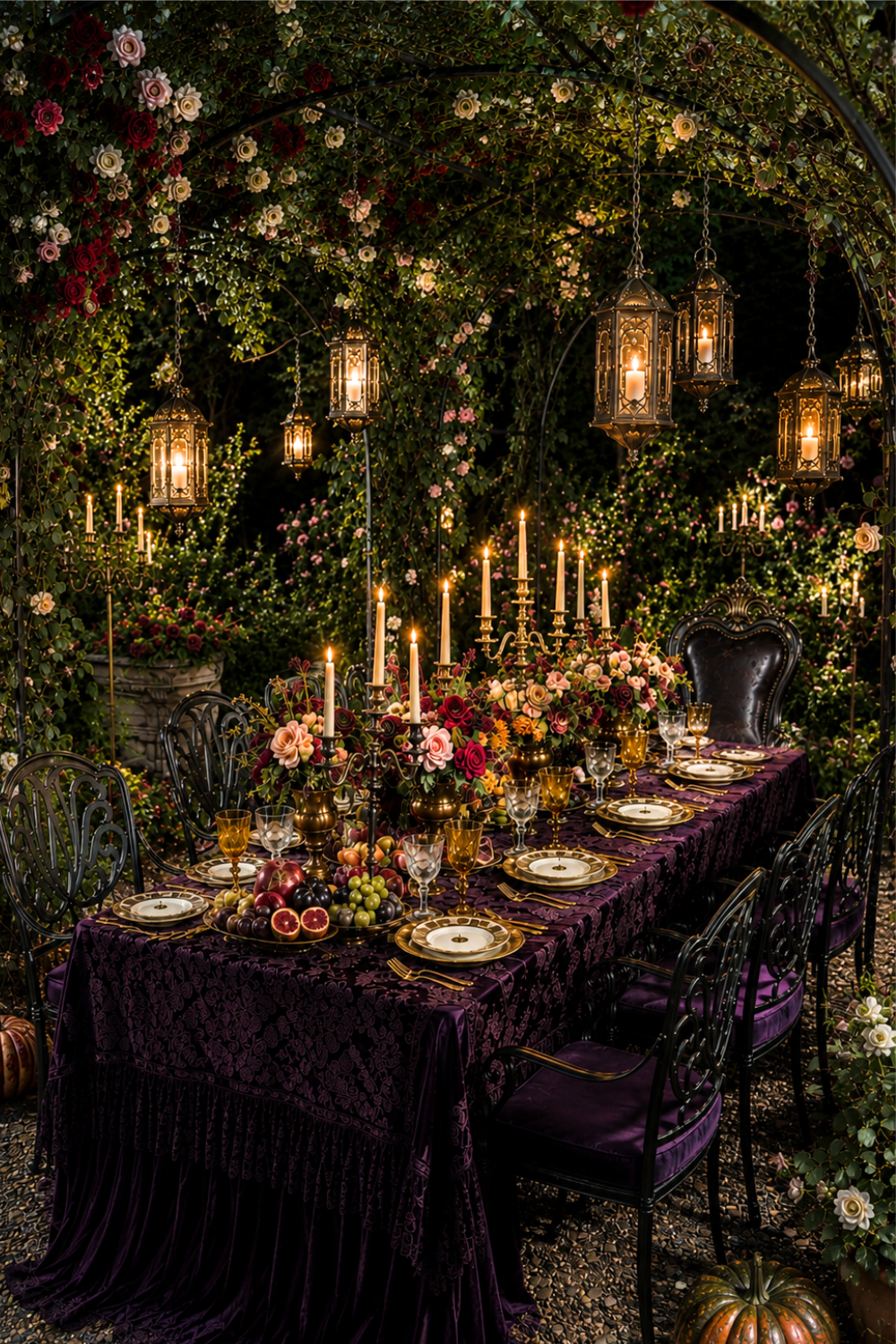
Most Halloween parties involve a dinner but how many of them are at midnight when the garden should be sleeping? The candles are lit and the table is waiting beneath a canopy of roses, plum velvet, antique gold, amber glass and autumn fruit. A midnight supper designed for guests who haven't arrived… yet. Step into intimate enchantment.
Shop the Midnight Garden Supper Collection
Plum Skirted Tablecloth
The Foundation of the Feast
Deep plum turns the table into the dramatic heart of the garden, catching the candlelight while giving the entire setting its rich, after-dark palette.
Plum Damask Table Topper
For an added dash of drama and Victorian charm, add this to the table cloth
Black Metal Garden Trellis
A Canopy for Climbing Roses
An architectural black metal trellis creates the bones of the midnight garden. Train climbing roses and greenery overhead to create the feeling of dining inside a secret garden room.
Standing Candelabra
Candlelight Among the Roses
Tall, old-world candelabras bring candlelight beyond the tabletop and into the surrounding garden, creating pools of warm illumination against the dark foliage.
Outdoor Hanging Lanterns
Lanterns Beneath the Garden Canopy
Suspended among roses and greenery, ornate candle lanterns cast a soft golden glow overhead and make an ordinary garden feel wonderfully removed from the everyday world.
Black Bistro Garden Chairs
Romantic Iron Garden Seating
Black metal chairs bring the graceful lines of a European garden café to the table while disappearing beautifully into the darkness and foliage after sunset.
Victorian-Inspired Bone China
Dinnerware Worthy of Midnight
Creamy bone china edged in burgundy and gold gives each place setting a sense of old-world ceremony—the kind of dishes that make even an outdoor supper feel like an occasion.
Amber Goblets
Golden Glass for the Table
Amber glass catches every flicker of candlelight, adding another layer of warmth among the plum linens, gilded china and autumn flowers.
Antique-Inspired Candlestick Holders
A Table Lit by Candlelight
Mix candlesticks of varying heights along the length of the table for that collected-over-time look—and enough flickering light to make the entire supper glow.
Victorian Statement Dining Chair
The Chair at the Head of the Table
One unapologetically grand chair changes the story of the entire setting. Placed at the head of the table, it introduces just the right question: who, exactly, are we waiting for?
The Practical Witch’s Greenhouse
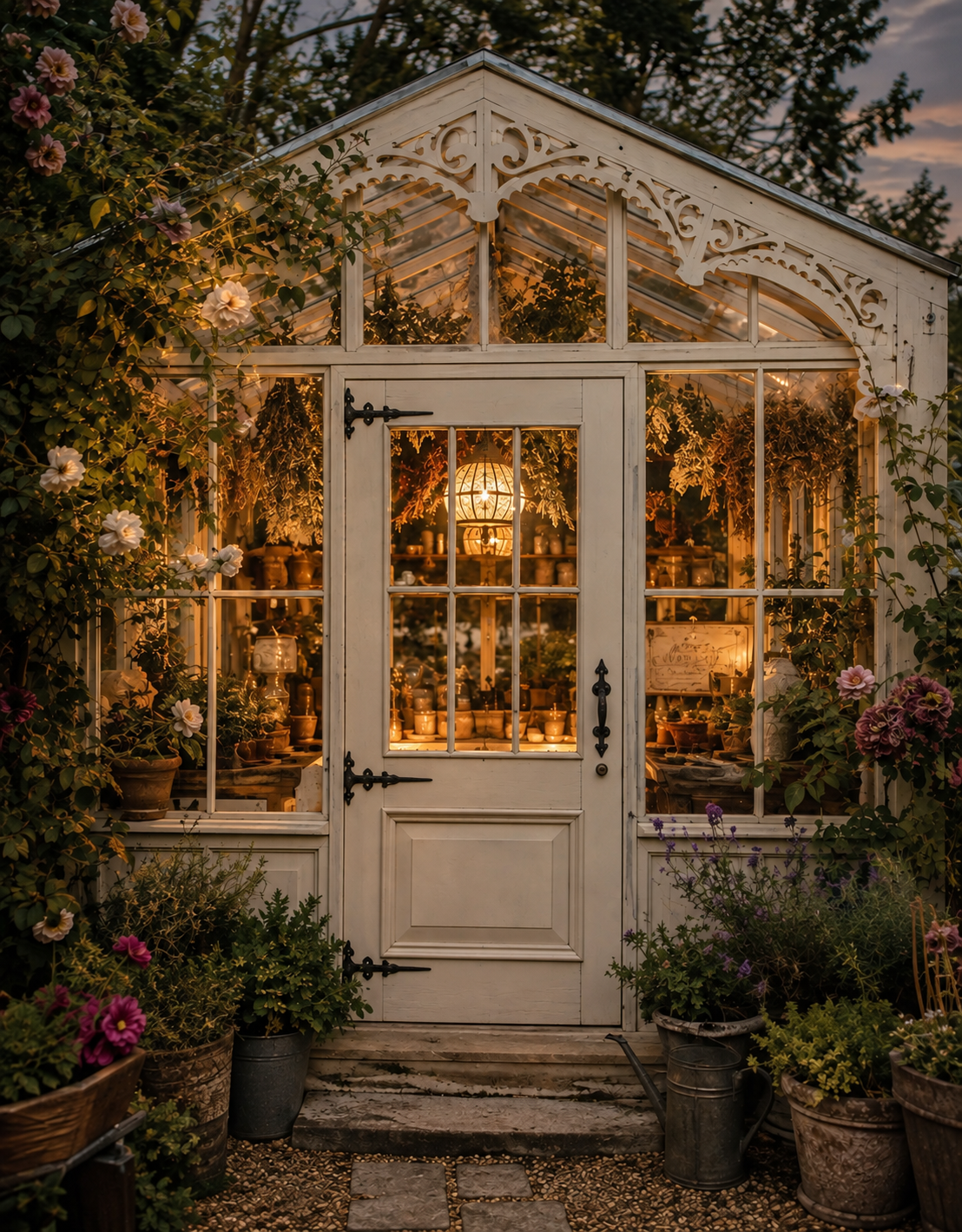
Whenever the air turns a bit crisp ( and I mean a bit — in Southern California, it’s the most you can hope for), my mind turns immediately to my favorite of all Halloween films — Practical Magic. From the coastal overlooks to the towering Mansard house, to the white cabinet kitchen, this ambience is magical all on its own even without the witches living inside. Perhaps nothing is more bewitching than the attached white garden apothecary conservatory where Sally and Gillian mix herbs for love and shampoos.
It isn't overtly magical. There are no broomsticks propped by the door or cauldrons bubbling in the corner. Instead, its magic lives among old painted wood, crowded shelves, terracotta pots, trailing greenery and the unmistakable feeling that the woman who works there knows considerably more about plants than the rest of us.
The Practical Witch’s Greenhouse was inspired by that feeling.
Imagine a modest wooden greenhouse transformed with creamy paint, old-fashioned trim, divided windows and black iron hardware. Inside, warm light spills across a well-worn worktable surrounded by herbs, roses, botanical books, amber bottles and plants in various stages of being clipped, dried, propagated and coaxed back to life.
Shop the Practical Witch’s Greenhouse: The Exterior
The magic begins with the bones. A simple wooden greenhouse becomes something altogether more storied with creamy white paint, clear glazing, old-fashioned window divisions and a handful of architectural details. Add timeworn black hardware and a little Victorian ornament, then let the garden begin to creep in around the edges.
Wooden Greenhouse
The foundation of the transformation. Look for a traditional pitched roof, substantial wooden framing and paneled lower walls—simple architectural bones that can be dressed up with paint and period-inspired details.
Victorian Gingerbread Trim
The little flourish that changes everything. Decorative fretwork tucked beneath the front gable gives a straightforward greenhouse the romance of an old garden conservatory without requiring a completely custom structure.
Medieval-Style Iron Door Hardware and Door Pull
Heavy black iron hinges and an old-world door pull give the entrance instant age and character. Against softly weathered ivory paint, the dark hardware provides just enough contrast to make the door feel wonderfully old.
Clear Polycarbonate Greenhouse Panels
Replace selected translucent panels at the front with clear glazing to reveal the real enchantment—the warmly lit greenhouse within. Polycarbonate offers the transparent look we want without requiring traditional glass construction.
Faux Window Mullion & Muntin Trim
The secret behind the old-conservatory illusion. Narrow painted trim applied over clear panels creates traditional divided-light windows, turning broad modern glazing into something that appears collected from another century.
Antique Ivory Exterior Paint
Skip brilliant white in favor of a warm, softened ivory. A slightly imperfect painted finish unifies new wood, decorative trim and added window details while giving the greenhouse the gentle patina of something that has been standing in the garden for years.
Shop the Practical Witch’s Greenhouse: The Interior
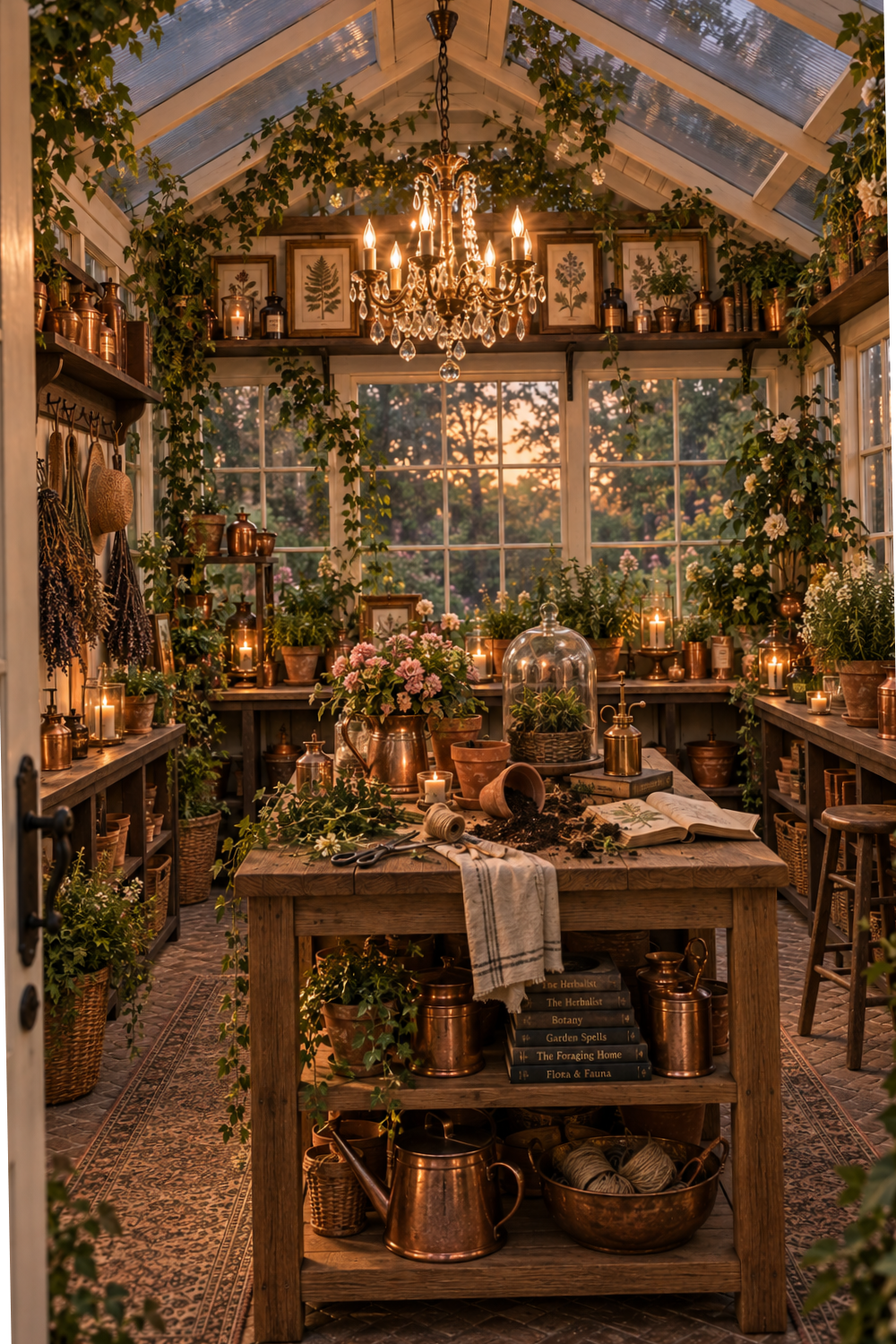
Inside, the greenhouse becomes a working room rather than simply a place to grow plants. Warm wood, glowing brass, old botanical studies and shelves crowded with useful things create the feeling that someone has been gardening here for years—and may know a little more about the properties of plants than she lets on.
Outdoor Crystal Chandelier
An unexpectedly elegant light fixture turns a humble greenhouse into a room worth lingering in after sunset. Look for an outdoor-friendly chandelier with an aged brass finish and sparkling crystal drops—the warm light against cool evening glass creates much of the greenhouse’s magic.
Wooden Greenhouse Storage Shelves
Simple wooden storage shelves provide the hardworking backbone of the greenhouse. Kept low beneath the windows, they leave the glass unobstructed while creating plenty of room for terracotta pots, gardening tools, propagation jars and all the beautiful clutter of a working gardener.
Wooden Display Shelves
A smaller wall-mounted shelf brings character to the greenhouse without overwhelming its windows. Use it to display copper vessels, old gardening books, dried herbs and botanical curiosities—the sort of things collected gradually rather than decorated all at once.
Rustic Wooden Potting Island
The heart of the greenhouse. A substantial wooden worktable gives the room a place for potting, arranging flowers, taking cuttings and studying whatever has just been brought in from the garden. Leave the wood natural and let scratches, soil and watermarks become part of its character.
Glass Cloche Dome with Base
A beautiful way to turn an ordinary plant, cutting or botanical specimen into something worthy of closer study. Traditionally used to protect delicate plants, a glass cloche adds an old-world conservatory feeling to the potting table—and just enough mystery to make you wonder exactly what is growing beneath it.
Vintage Persian Style Garden Rug
An unexpected layer of softness beneath the potting table makes the greenhouse feel less like a utility space and more like a beloved room. Choose a faded Persian-style rug in warm, timeworn tones—something that looks as though it has survived years of muddy boots, spilled soil and afternoon gardening. The intricate pattern brings warmth and history to the space without competing with the plants.
Vintage-Style Copper Kitchenware
Copper brings a wonderful glow to a room filled with greenery and weathered wood. Repurpose pitchers, bowls, canisters and small kitchen vessels for gathering herbs, holding cuttings and storing garden necessities. A little tarnish only makes them better.
Vintage Botanical Prints
Old botanical studies give the greenhouse its quiet scholarly quality. Choose detailed illustrations of herbs, medicinal plants, ferns and flowers and tuck them among the shelves and window frames, as though they are references consulted regularly by the gardener who works here.
The Apothecary at the Bottom of the Garden
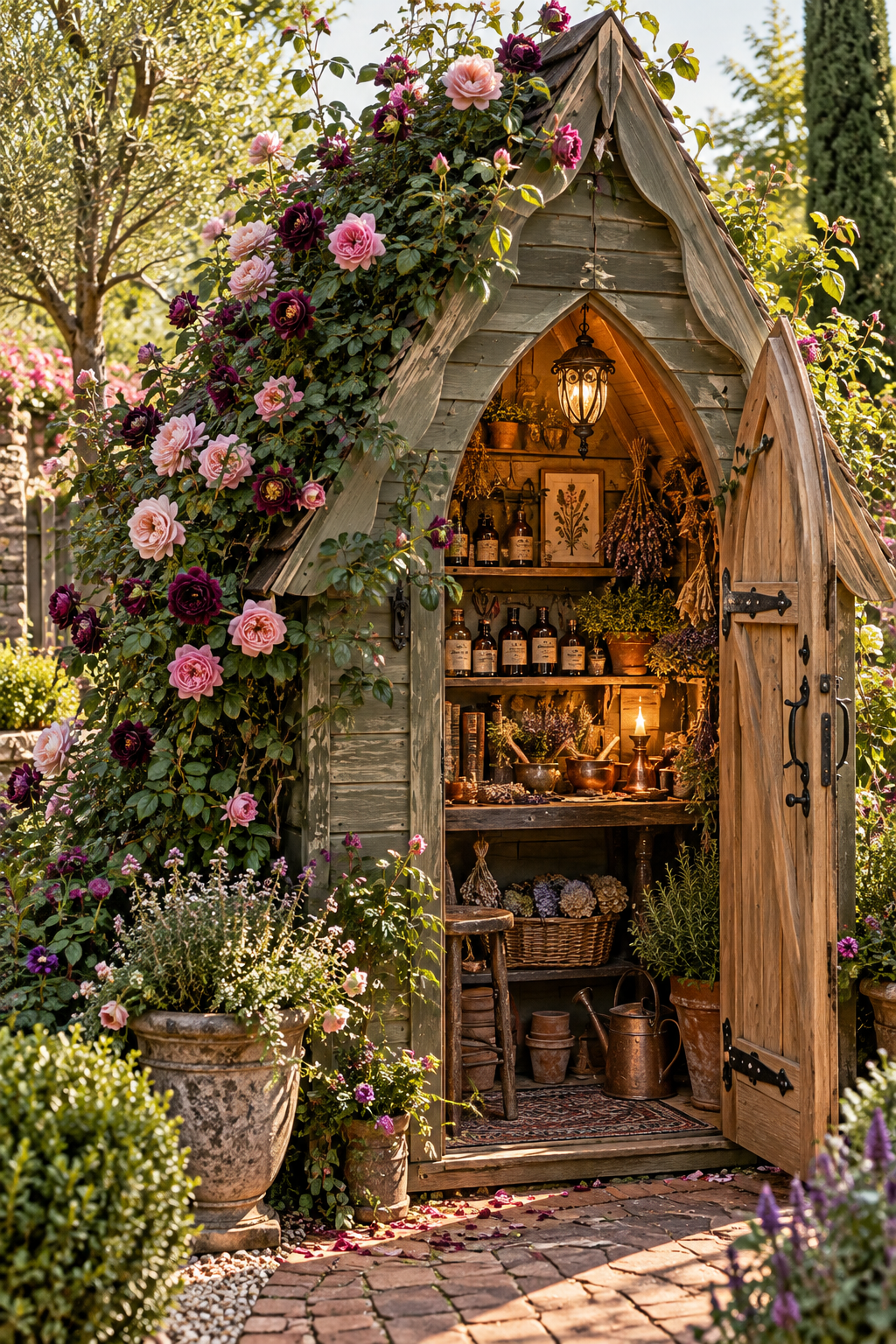
How bewitching is it to imagine that beyond the roses and herbs, there is a little fabled wooden door that is almost too easy to miss, its steep roof disappearing beneath climbing roses in shades of old pink and deepest plum? Particularly in this darling fairytale roofed shed?
Shelves are crowded with amber bottles and old herbals, bundles of flowers hang drying from hooks, and a small lantern casts its glow over a worktable scattered with scissors, jars, roots and leaves gathered from the garden. The Apothecary at the Bottom of the Garden imagines a place for preserving all the things we spend the year growing—a tiny gardener's workshop inspired by the old traditions of herbalists, kitchen gardens and botanical remedies. There are no broomsticks or bubbling cauldrons here. Just plants, old knowledge, beautiful useful things...and perhaps one or two bottles whose contents are better left unexplained.
Shop the Apothecary Garden Look
Gothic Garden Apothecary Shed
The little building that begins the story. A steeply pitched roof and wonderfully pointed Gothic doorway transform an ordinary garden storage shed into something that feels discovered rather than newly installed. Tucked among herbs and climbing roses, its compact size makes it perfect for creating a tiny botanical workshop at the bottom of the garden.
Old-World Outdoor Hanging Lantern
A glowing lantern tucked beneath the steep roof makes the apothecary irresistible after dusk. Look for blackened metal, scrolling details and textured or seeded glass for the feeling of an old garden light that has been hanging there for generations.
Amber Apothecary Bottles
Line the shelves with amber glass bottles in assorted shapes and sizes for the atmosphere of an old herbalist's workroom. Fill them with dried botanicals or leave them empty—the warm brown glass catches lamplight beautifully and gives even the smallest shelves a sense of history and mystery.
Vintage Botanical Prints
Detailed studies of herbs, flowers and medicinal plants bring the quiet scholarship of an old apothecary to the walls. Choose softly aged illustrations and tuck them between shelves, bottles and dried specimens as though they are references used regularly rather than simply decoration.
Aged Ceramic Planters
Nothing in this little garden room should look too new. Weathered ceramic pots filled with herbs, cuttings and slightly unruly plants bring warmth and earthy color to the doorway and shelves. A little moss, mineral staining and imperfection only adds to their charm.
Vintage-Style Copper Garden Supplies
Copper watering cans, plant misters, scoops and small vessels glow beautifully against dark wood, amber glass and greenery. Useful enough for everyday gardening but lovely enough to leave on display, they give the apothecary the feeling of a genuine working space rather than a decorated shed.
Battery-Operated Vintage Oil Lamp
A small cordless oil-style lamp creates another pool of warm light without requiring electrical wiring in every corner of the shed. Place one on the work surface among books and botanical specimens for the cozy appearance of an old flame lamp with the convenience of modern battery power.
Hanging Dried Herb Bundles
Bundles of lavender, rosemary and other dried garden herbs hanging from hooks and rafters make the tiny apothecary feel immediately alive with activity. Mix different lengths and textures rather than arranging them too perfectly—the effect should suggest that today's garden harvest has simply been hung up to dry.
Woven Rattan Gathering Baskets
Old-fashioned woven baskets provide beautiful storage for everything from dried flowers and gardening gloves to twine and empty terracotta pots. Tucked beneath the workbench or beside the doorway, their natural texture softens the shelves of glass and metal while adding to the gathered-from-the-garden feeling.
Twilight Zone Rose
Nearly black in certain light, Twilight Zone brings the deep, velvety plum note that gives our little apothecary its wonderfully mysterious edge. Train or position its rich purple blooms among the softer garden colors for a dramatic contrast that feels romantic rather than overtly Halloween.
Peggy Martin Climbing Rose
Let Peggy Martin provide the romantic abundance. Its clusters of pink flowers can ramble around the apothecary and soften the little wooden structure until it appears to have been part of the garden for years. Paired with the dark plum tones of Twilight Zone, the effect is wonderfully overgrown, old-fashioned and just a touch mysterious.
The Widow’s Library
There is a room at the end of the hall that no one has thought to change.
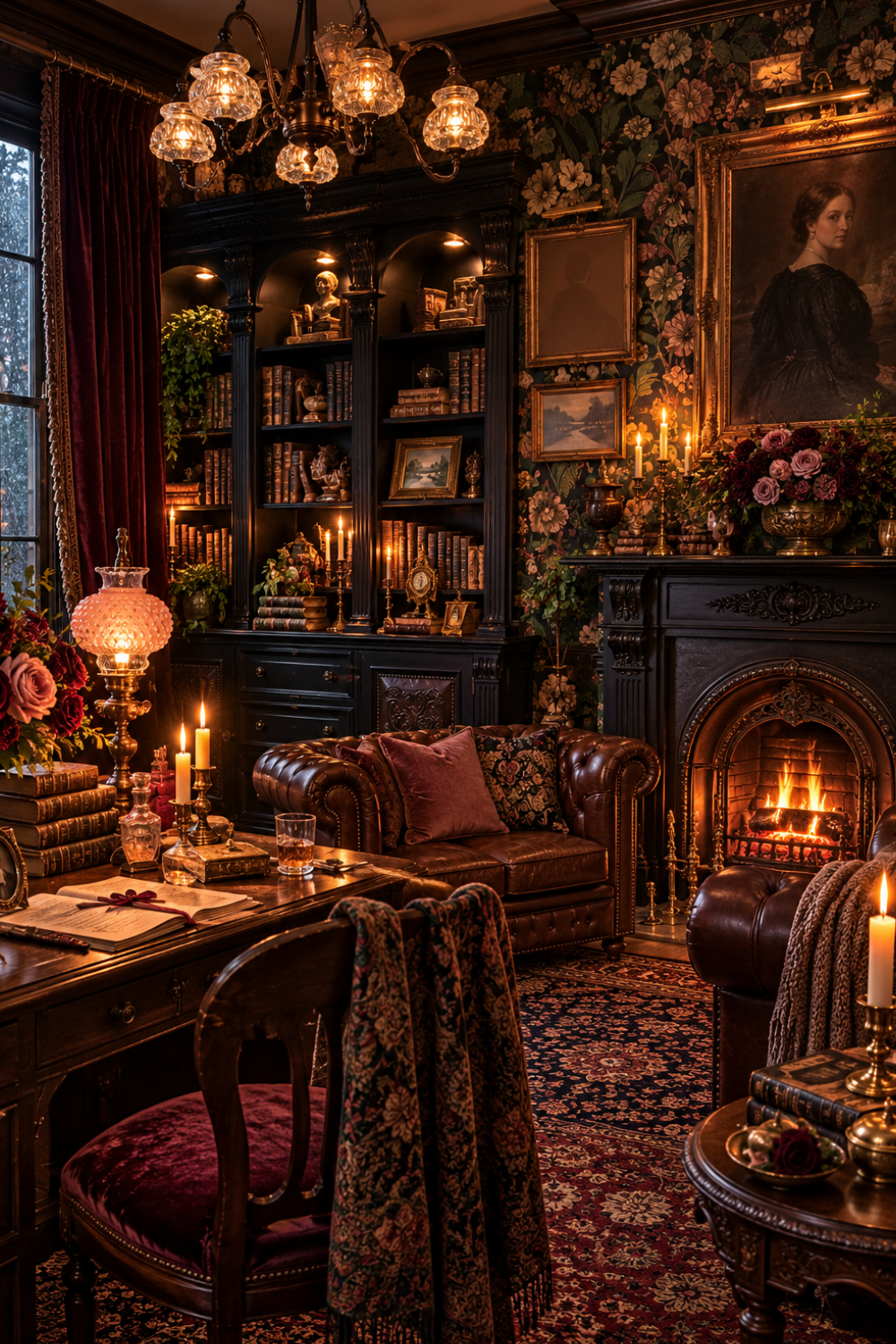
Her books still fill the shelves. Roses darken slowly in their vase beside the fire. A little pink lamp casts its familiar glow across the desk, where an unfinished letter waits beneath a stack of well-worn volumes. Outside, autumn rain taps against the windows, but inside, the fire is lit and everything is warm.
Perhaps that is what makes The Widow’s Library feel slightly unsettling.
Nothing here is abandoned. Nothing is covered in dust. The leather chair looks as though someone has only just risen from it. A book has been left open. The fire has been tended. And from her portrait above the mantel, the lady of the house continues to preside over the room she loved best.
For our Haunted Autumn Collection, we imagined a library that is romantic before it is haunted—layered with dark botanical wallpaper, old books, worn leather, Victorian lighting, Persian rugs, roses and the deep glow of firelight. A room beautiful enough that you might not immediately notice the suggestion that its owner has never entirely left it.
After all, some rooms remember the people who loved them.
Shop the Widow’s Library Look
Turn-of-the-Century Glass Chandelier
A graceful old-world chandelier with dark metalwork and luminous glass shades brings warmth to the library from above. Its turn-of-the-century silhouette feels wonderfully at home among carved bookcases, botanical wallpaper and well-worn leather.
Chesterfield Leather Sofa & Loveseat
Deep button tufting, rolled arms and rich brown leather give the room the comfortable gravitas of an old private library. The classic Chesterfield shape is handsome enough for the setting while still inviting you to settle in with a book beside the fire.
Vintage-Style Electric Fireplace
All the atmosphere of an old library hearth without requiring a historic fireplace. An ornate dark surround and flickering electric flame create the warm heart of the room—and provide exactly the sort of glow The Widow’s Library requires after dark.
Dark Botanical Wallpaper
Moody florals, trailing leaves and small woodland creatures emerge from a nearly black ground, giving the walls the richness of an antique botanical illustration. It is romantic rather than gothic, bringing the garden indoors while creating a dramatic backdrop for dark wood and leather.
Vintage Dark Wood Writing Desk
Every mysterious library requires a proper writing desk. Choose one in deeply stained wood with traditional detailing, then leave it slightly imperfectly arranged with books, correspondence, spectacles and perhaps one letter that was never finished.
Antique-Style Candelabras
Tall, old-fashioned candelabras add pools of flickering light throughout the room and make even an ordinary evening feel ceremonial. Cluster them on the mantel, desk or occasional table for a collected-over-time effect.
Deep Red Velvet Drapes
Heavy velvet curtains in wine, garnet or oxblood soften the darkness of the library while adding a beautifully theatrical layer of color. Hung generously from ceiling to floor, they frame the windows and make the room feel sheltered from the autumn night beyond.
Vintage Lady Portrait
Every old house should have at least one portrait whose story no one quite remembers. A turn-of-the-century-style portrait of an elegantly dressed woman gives the library its silent inhabitant—and just enough mystery to make you wonder whether her eyes really were facing that direction a moment ago.
Vintage Persian-Style Rug
A richly patterned rug in faded burgundy, rust, navy and antique gold grounds the room beneath all that dark furniture. Look for a slightly timeworn pattern that feels inherited rather than newly decorated.
Vintage-Style Throw Pillows
Velvet, tapestry and traditional patterned pillows make the Chesterfield seating softer and more romantic. Deep burgundy, faded rose, moss, tobacco and antique gold keep the palette sumptuous without making it feel coordinated to perfection.
Library Edition Books
Clothbound and leather-look volumes turn shelves into a true old-world library. Mix handsome literary editions with visibly read books, stacked volumes and the occasional open title—the Widow’s collection should feel loved, not staged.
Grand Dark Wood Bookcase
The architectural anchor of the library. A substantial bookcase in black or very dark wood, particularly one with classical columns, arches and carved detailing, creates the illusion of a built-in Victorian library without requiring custom millwork.
Pink Victorian Hurricane Lamp
A wonderfully unexpected feminine note among all the dark wood and leather. Rose-colored glass and antique-style metalwork cast a soft glow that feels intimate, nostalgic and distinctly hers—as though this little lamp has illuminated the same corner of the library for generations.
The Collections of Maison Elizabeth
*affiliate links are used in this article
The Collections of Maison Elizabeth
Inspired by imagination. Curated with real pieces.
A carefully curated collection of timeless furnishings, gardens, and interiors chosen to help you recreate the beauty of everyday living.
Collection One
The White Bistro Set
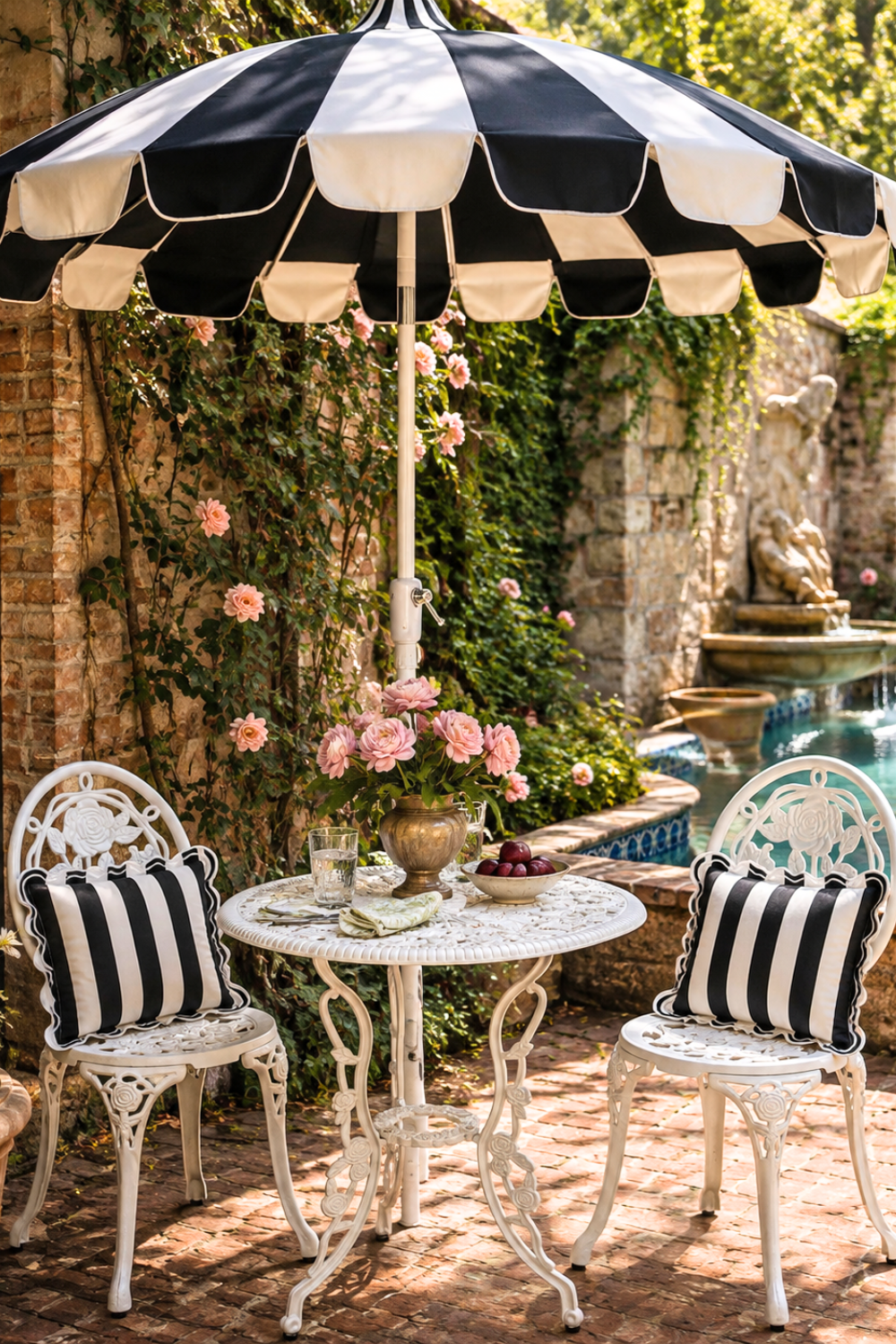
A Little Corner of France
There is something timeless about a simple white bistro set tucked beneath a striped umbrella. Whether placed on a small patio, a balcony, or a quiet corner of the garden, it transforms an ordinary morning into a small daily ritual.
This collection brings together my favorite pieces for creating that relaxed French courtyard feeling—beautiful, practical, and made for lingering.
Shop the Collection
White Rose Bistro Set
A classic cast-aluminum bistro set inspired by traditional European café seating.
Black & White Pagoda Umbrella
The signature piece that instantly creates the feeling of a French village café.
Striped Scalloped Outdoor Pillow Covers
Comfortable, tailored, and just playful enough to soften the formal lines of the bistro chairs.
Golden Vase
Perfect for fresh flowers gathered from the garden.
French Café Glasses
Simple everyday glassware for sparkling water, lemonade, or morning juice.
French Planters
Weathered pots that become more beautiful with age.
David Austin Alnwick Shrub Rose
A warm, comforting pink favorite shrub rose of rose collectors and perfect to decorate your table.
Collection Two: The Belle Epoque Dressing Room
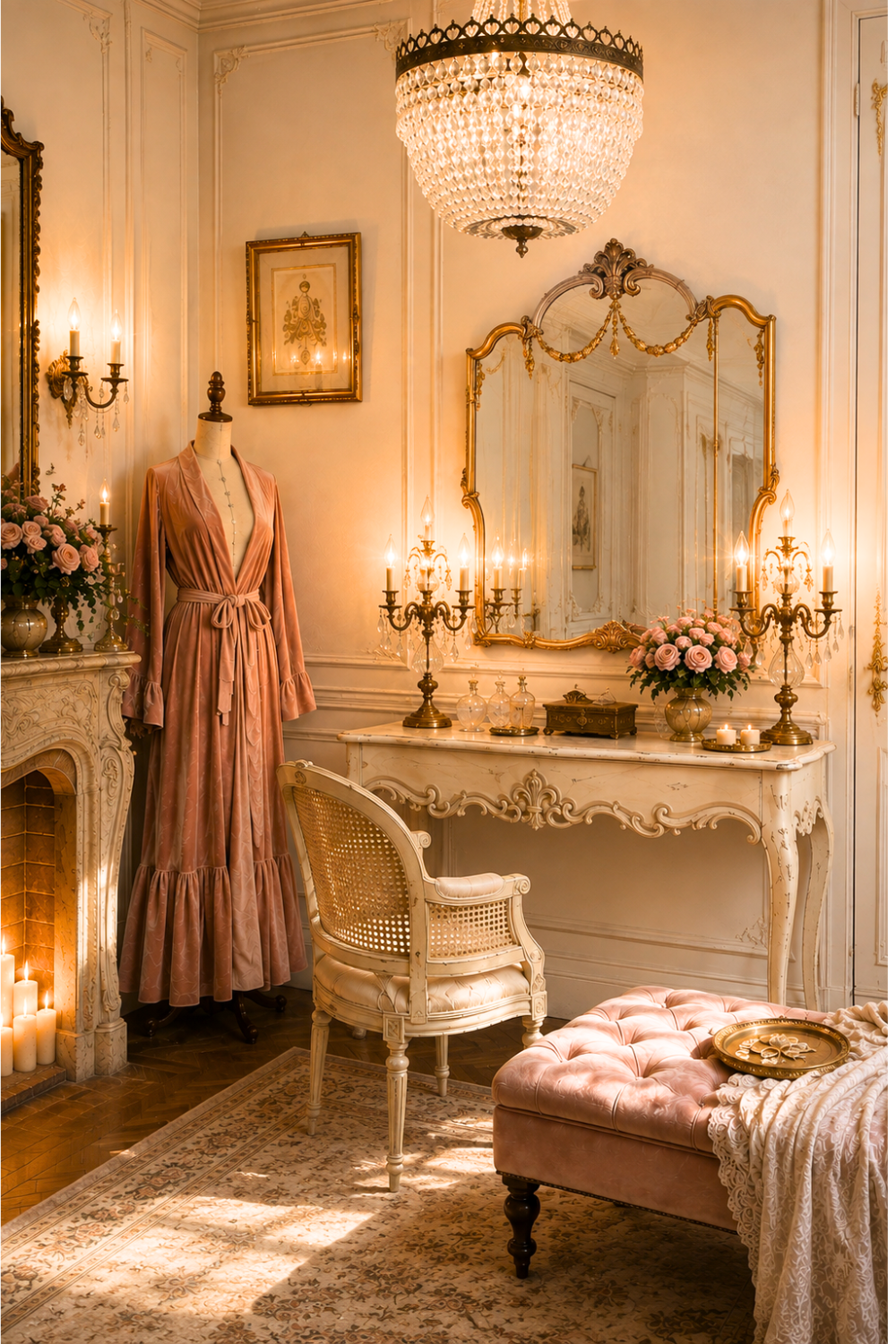
The Beauty of Ritual
Once upon a time, dressing was considered an event, an art — something that took time and attention. Today, there seems to be less time to even consider how we present ourselves to the world let alone enjoy the ritual. The sumptuousness of the Belle Epoque reminds us of what it means to value ourselves, our time and what we bring to our communities when we step out of our front doors. Silks, velvets and gilded details remind us that every moment is worth savoring. Never underestimate the transformative power of a beautiful space. In the words of the beauty industry giant L’Oreal — you’re worth it. Belle Epoque details remind us that this is true.
Shop the Collection
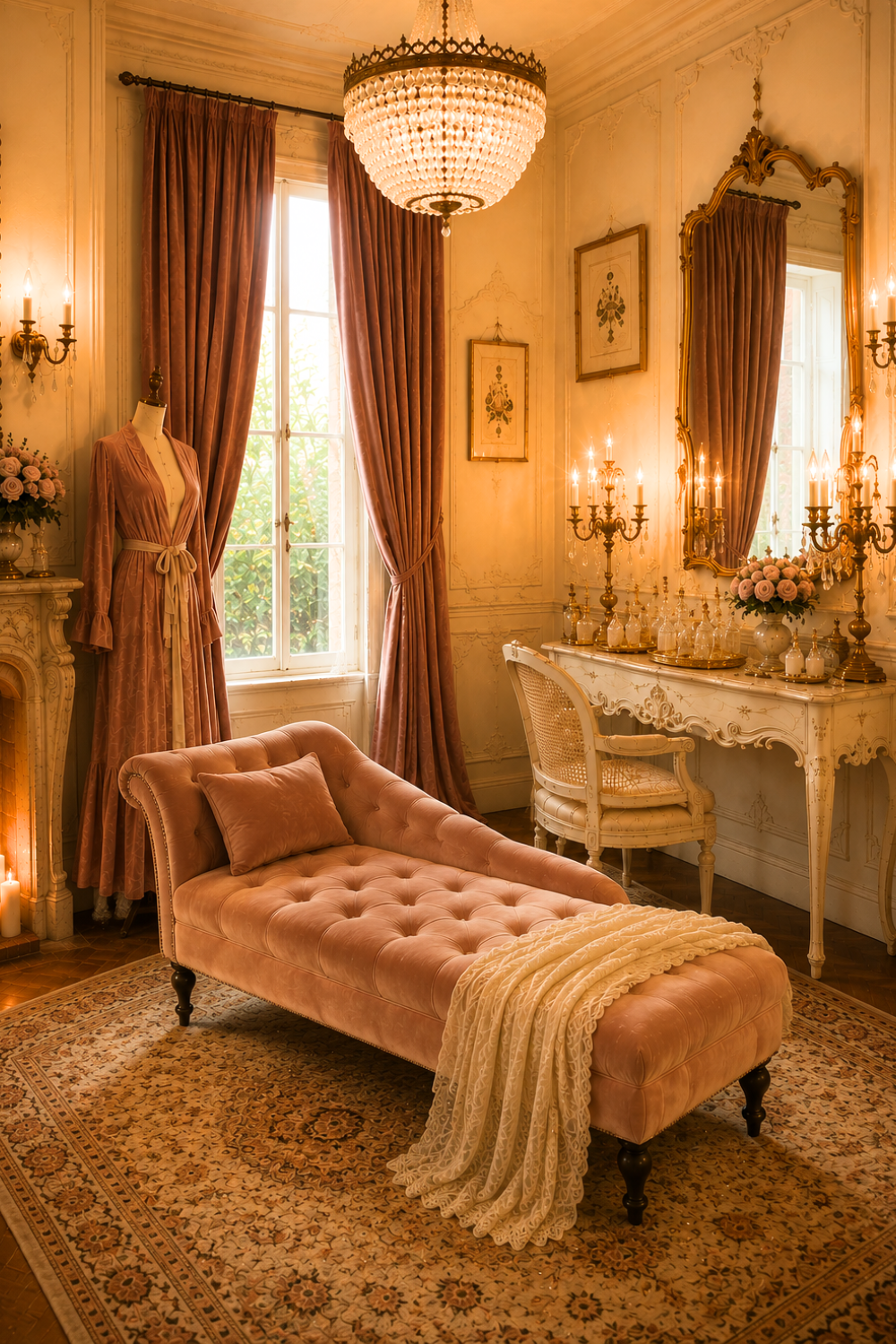
Second Empire Crystal Chandelier
A magnificent crystal chandelier brings the unmistakable grandeur of Second Empire Paris overhead. Cascading crystals, antique-inspired metalwork, and warm illumination give the dressing room its crowning moment—opulent enough to feel historic, yet romantic enough to glow beautifully against soft velvets and gilded details.
Antique French Vanity Table
A graceful French-inspired vanity table brings old-world romance to the dressing room. Curved legs, carved detailing, and a softly aged finish create the feeling of a treasured antique while providing a beautiful place for perfume bottles, jewelry, and everyday rituals.
Gilded Vanity Mirror
An ornate gilded mirror is the jewel of a Belle Époque dressing room. Its antique-gold finish and sculptural detailing turn a practical vanity mirror into an architectural statement worthy of a Parisian apartment.
Candelabra Vanity Lamps
Bring the glow of candlelight to the vanity with candelabra-style table lamps. Crystal drops and antique-inspired metalwork cast a warm, flattering light while adding just enough theatrical glamour to make getting ready feel like an occasion.
French Vanity Chair
A carved French vanity chair adds elegance without overwhelming the room. The cane back, curved silhouette, and upholstered seat give it the delicate, collected character of a piece discovered in a Paris flea market.
Rose Tufted Fainting Couch
Romantic rose velvet transforms the classic fainting couch into the irresistible centerpiece of the dressing room. Deep tufting, graceful curves, and turned legs create a luxurious place to dress, read, or simply linger a little longer.
Persian-Style Rug
A richly patterned Persian-style rug grounds all the softness and gilding in the room. Its traditional pattern gives the space a sense of history while layering beautifully beneath antique-inspired furniture and warm candlelight.
Rose Velvet Robe
The finishing touch to the Belle Époque fantasy. A sweeping rose velvet robe turns an ordinary evening ritual into something wonderfully indulgent, with its soft drape, romantic sleeves, and beautiful vintage-inspired silhouette.
French Mantel
A carved French-style mantel instantly gives a room the architectural romance of an older European home—no historic Paris apartment required. Fill the hearth with glowing pillar candles and dress the mantel with roses, antique frames, or candelabras to create the illusion of a centuries-old fireplace.
Standing Fashion Mannequin
A vintage-inspired dress form brings the romance of a Parisian couturier into the dressing room. Display a favorite robe, silk dressing gown, or treasured garment to transform everyday clothing into part of the room’s décor.
French Wall Trim
Ornate French wall trim gives an ordinary room the architectural character of a Belle Époque interior. Applied mouldings and decorative flourishes create elegant panels and period-inspired detail—an approachable way to bring a little Parisian grandeur to otherwise simple walls.
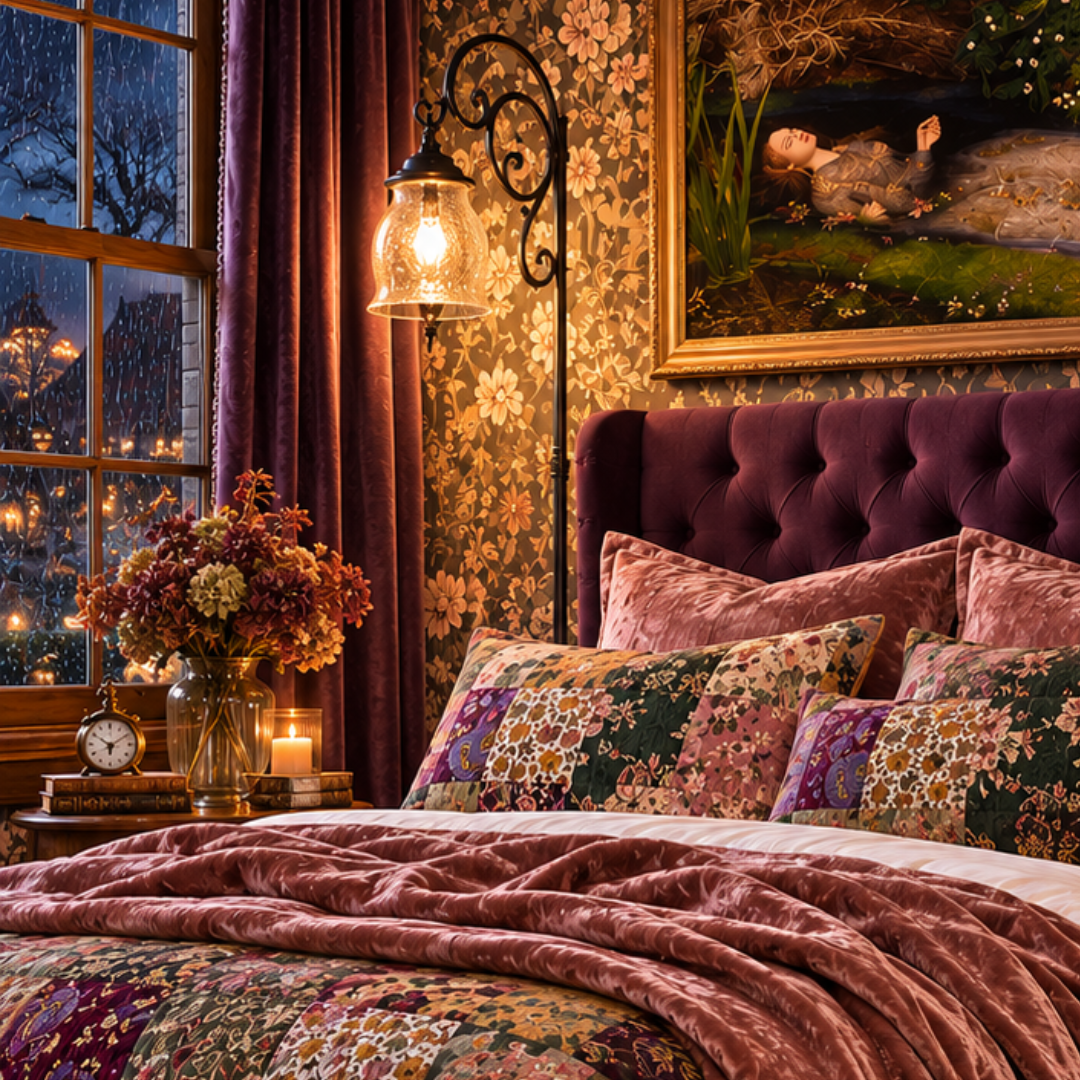
Autumn is Coming
A Maison Elizabeth Collection
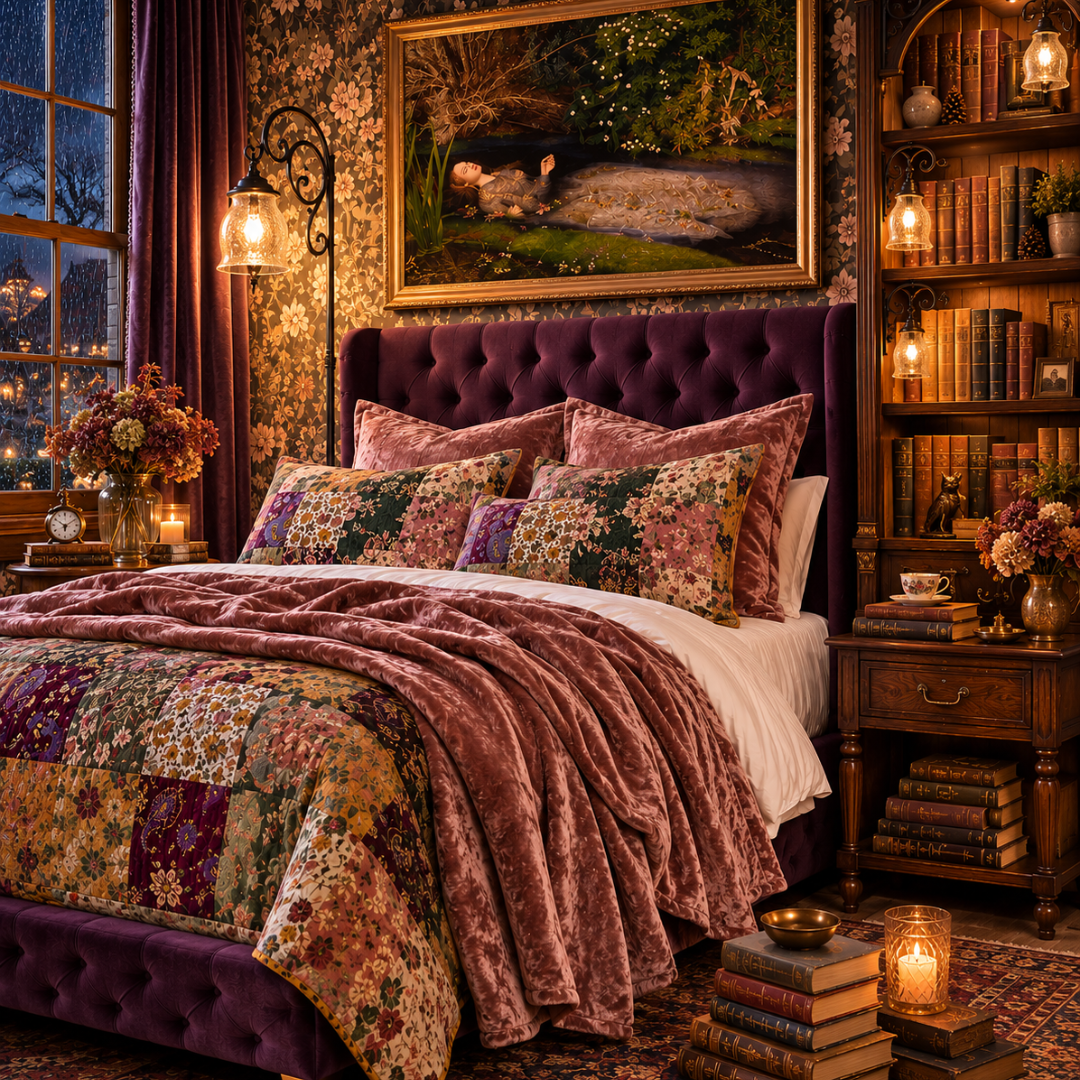
There are few sensations as thrilling as the whisper of Autumn in the air. As the evenings grow shorter, home becomes more than a place we live—it becomes the place we long to return to. Autumn is not a season of decoration, but of refuge. This collection celebrates the quiet rituals that transform a house into a sanctuary, a place to escape the storms of the day and indulge in restorative, luxurious luxuries.
As Autumn Approaches
F. Scott Fitzgerald remarked that “Life starts all over again when it gets crisp in the Fall.” It comes in on tiptoe, observing summer and waiting patiently at first and then entwining itself in the remnants of summer when we aren’t looking.
The evenings grow quieter.
The windows remain open just a little longer.
A favorite quilt finds its way back onto the bed.
The kettle whistles more often.
Books once forgotten are pulled from the shelf.
We begin lingering indoors—not because we must, but because home has become beautiful enough to keep us there.
For centuries, autumn has invited us to slow our pace and rediscover the comforts waiting within our own walls. Long before central heating and electric light, families prepared their homes for the darker months by layering warmth, gathering around candlelight, and surrounding themselves with objects that made winter feel not merely bearable, but deeply comforting.
This collection celebrates those timeless rituals through rooms, gardens, and quiet moments that remind us that beauty is often found in the ordinary rhythms of home.
Welcome to autumn.
Chapter 1: When the Day is Done
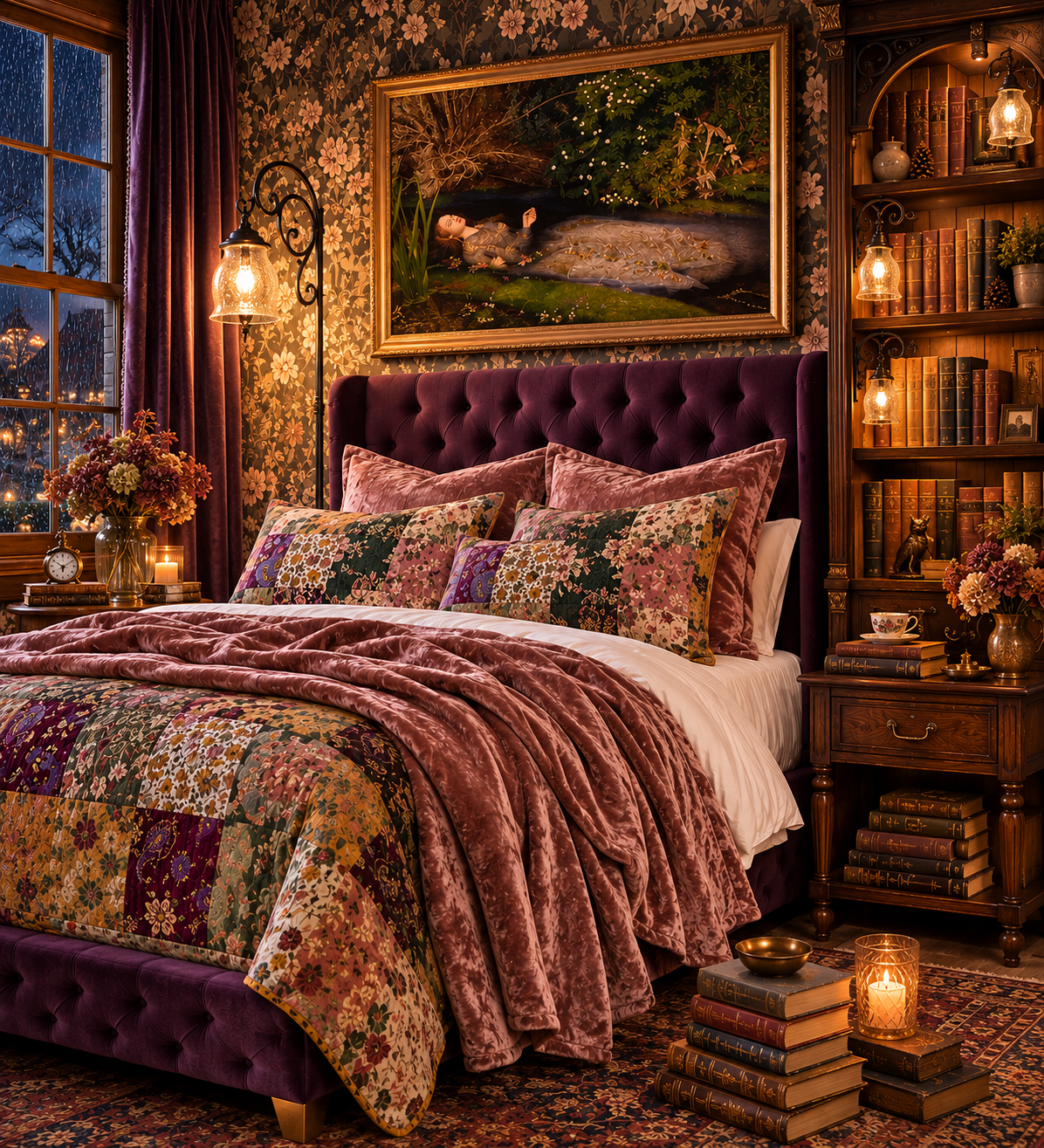
For most of us, when the days grow shorter and the weather colder, it is easy to feel weary and exhausted. Retreating into your own sanctuary of textured, luxury, romantic lighting and jewel-toned beauty deepens the sensory enjoyment of the season, and allows us all to escape the worries of the day.
Bring This Chapter Home
You don't need to recreate the entire room to experience its warmth. Beautiful homes are built one thoughtful piece at a time. Begin with an heirloom-inspired quilt, layer in soft white bedding, add warm lighting, and choose furnishings that invite you to linger. Each carefully selected piece contributes to a bedroom that feels less like a place to sleep and more like a sanctuary at the close of the da
Heirloom Patchwork Quilt
The heart of the room. Rich autumn tones and timeless patchwork create the feeling of a quilt that has been treasured for generations.
Deep Plum Velvet Bed
An upholstered bed adds warmth, texture, and quiet elegance while creating a beautiful backdrop for layered bedding.
Crisp White Percale Sheets
Fresh white bedding allows the quilt and velvet layers to shine while adding a sense of comfort and luxury.
Velvet Throw Blanket
Draped casually across the foot of the bed, a velvet throw introduces another layer of softness and invites slow autumn mornings.
Lantern Reading Lamp
Warm amber light transforms the room as evening falls, creating the perfect atmosphere for reading or quiet reflection.
William Morris-Inspired Wallpaper
Historic floral patterns envelop the room with richness and timeless character.
Traditional Library Bookcase
Filled with well-loved books and meaningful objects, a library reminds us that the most beautiful homes are collected over time.
Persian-Style Rug
Layer the room with a richly patterned rug to ground the space and deepen the feeling of warmth.
Framed Classical Artwork
A single dramatic painting adds history, romance, and a sense of permanence that anchors the room.
Purple Velvet Thermal Curtains
Adding the luxury of velvet curtains at the window with pinch pleat hooks, adds a touch of refinement.
Victorian Library Booklight
Designed to mimic Victorian streetlights, these LED cordless book lights add mystery and magic to your book case.
Chapter 2: The Reading Room
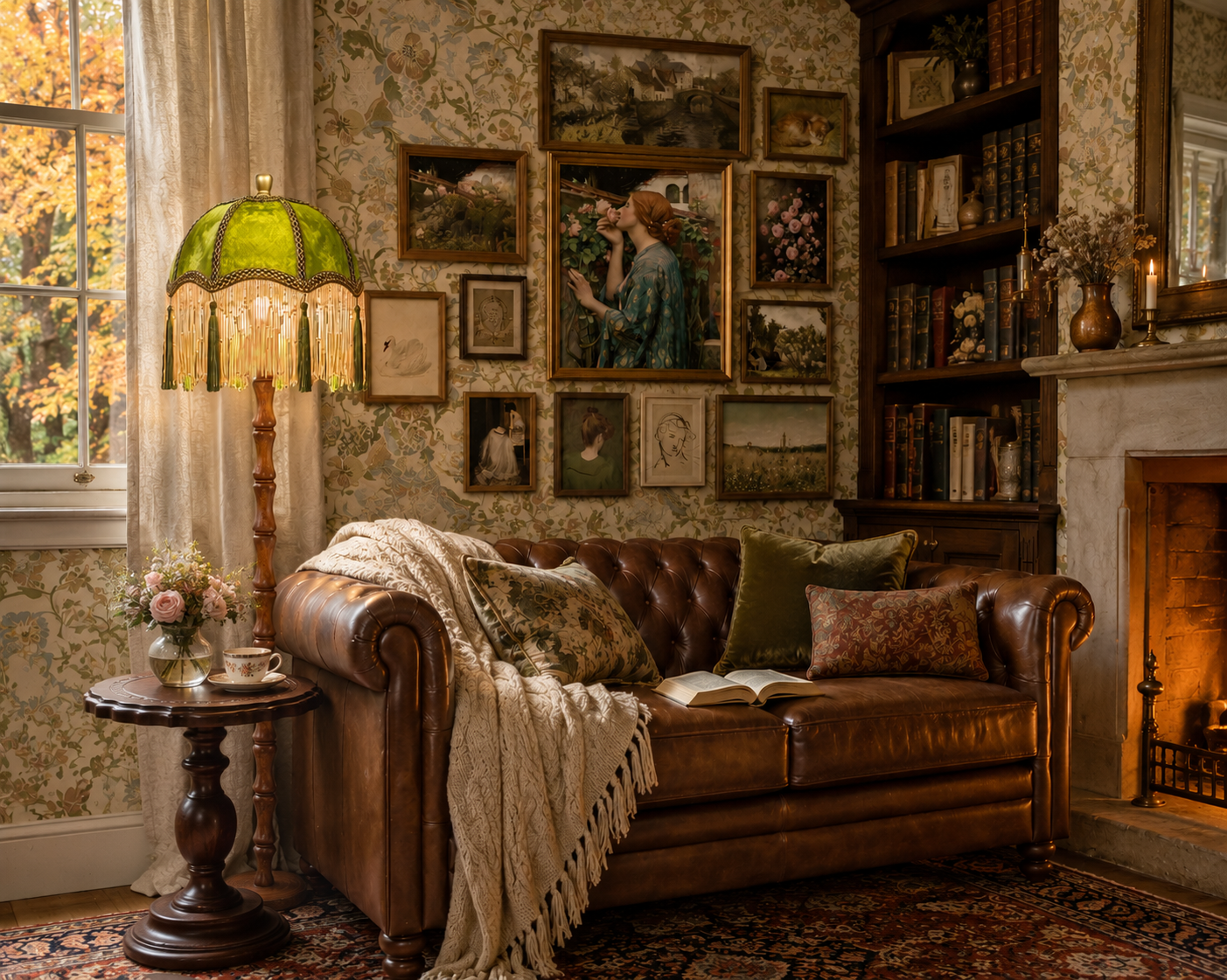
Is there anything more tempting than a comfortable reading room? Whenever I image the cold bursts of November, I think of a warm corner to cozy up to in the style of the Bloomsbury Group of London — a “room of one’s own” — a place to hide away and dream. The Bloomsbury Group was a group of artists who rejected their post-Victorian world. Attitudes, aesthetics and color choices were all directly poised against the regimented order of the day. The avant-garde embrace of Bohemian laissez-fair and brightly colored palettes were often thought eccentric. However, today, we owe our ability to juxtapose great art against a comfortable sofa to this adventurous circle of thinkers. Now, we can embrace the eclectic, the classic and the comfortable for all our reading corners.
Bring the Reading Room Home
Create your own cozy autumn retreat with the carefully chosen pieces that bring this room to life
• Chesterfield Leather Loveseat
The timeless heart of the room—rich cognac leather that only becomes more beautiful with age.
• William Morris–Inspired Wallpaper
Botanical pattern inspired by the Arts & Crafts movement, adding warmth, history, and quiet romance.
• Vintage Tassel Floor Lamp
The unexpected statement piece that creates an intimate reading glow and unmistakable character.
• Dark Wood Bookcase
A substantial bookcase for well-loved classics, collected treasures, and cherished keepsakes.
• Persian-Style Rug
Layers the room with warmth, color, and the feeling of a home that has evolved over time.
• Cable Knit Throw Blanket
Soft texture for cool autumn mornings, rainy afternoons, and evenings by the fire.
• Velvet Throw Pillows
Brings subtle color and comfort to the Chesterfield.
• Turned Wood Side Table
A simple pedestal table perfectly sized for a cup of tea and your current read.
• Vintage Tea Cup & Saucer
Because every reading room deserves a proper cup of tea.
• Glass Bud Vase
Fresh flowers from the garden are often the smallest detail that makes a room feel alive.
• Classic Books
Beautiful stories belong on the shelves as much as they belong in your hands.
• Collected Wall Art
Landscape paintings, florals, sketches, and treasured finds gathered over time to tell your own story.
Chapter 3: Slow Mornings
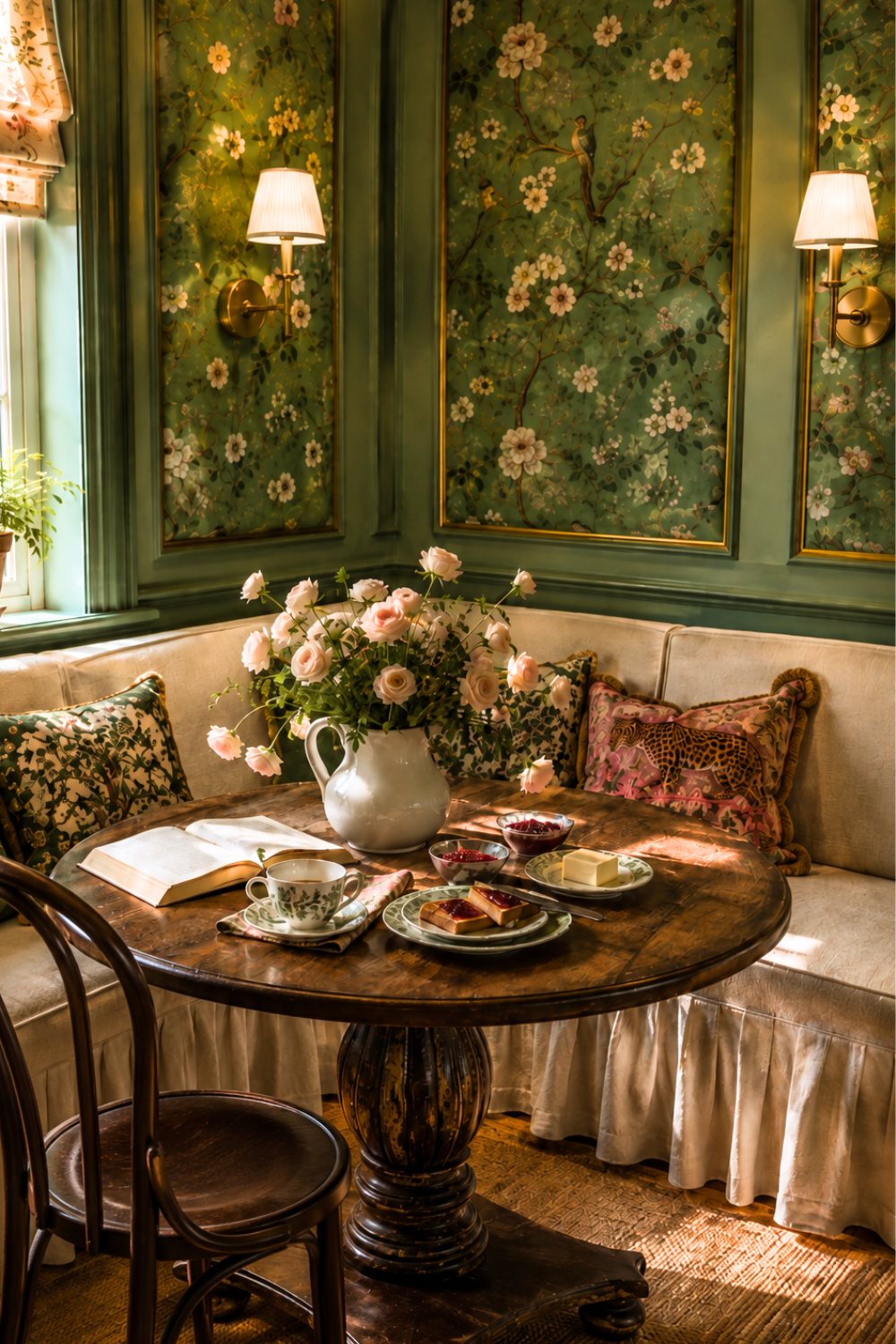
The breakfast nook. I remember the magic of breakfast nooks as a child — that cozy corner meant just for you, the whimsy, the warmth. Now, as an adult, I still love a nook, an intimate space that is only mine. A warm breakfast, an open book, roses gathered in a pitcher, and morning light spilling across the table. Slow Mornings is a cozy collection of pieces for creating a breakfast corner that makes staying home feel like somewhere you want to be.
Shop the Slow Mornings Collection
Botanical Bird & Blossom Wallpaper
A romantic green botanical print that gives the breakfast nook its collected, old-world character.
Decorative Wall Moulding
Simple applied moulding turns the wallpaper into elegant framed panels and gives an ordinary wall architectural presence.
Antique Brass Wall Sconces
Warm brass and softly shaded light bring an intimate glow to the nook—even on bright autumn mornings.
Cream Skirted Corner Banquette
Soft, relaxed seating that transforms an unused corner into somewhere made for long breakfasts, books, and conversation.
Rustic Wood Pedestal Dining Table
A substantial dark wood table grounds all the pattern and color while adding the warmth of an old European farmhouse piece.
Espresso Bentwood Café Chair
The classic curved silhouette adds a little French café charm while the deep wood finish beautifully echoes the pedestal table.
Art Nouveau Botanical Throw Pillow
Rich botanical pattern brings depth, texture, and those earthy autumn tones into the banquette.
Pink Leopard Throw Pillow
A wonderfully unexpected touch of pink, pattern, and whimsy that keeps the room from becoming too serious.
Vintage-Inspired Floral Tea Cup & Saucer
Because a slow autumn morning deserves something prettier than an everyday mug.
White Ceramic Pitcher
Simple enough for the breakfast table and beautiful filled loosely with garden roses, branches, or whatever is blooming outside.
Natural Woven Jute Rug
Quiet texture underfoot adds warmth without competing with the wallpaper, pillows, and other patterns in the room.
A little wallpaper. A little brass. An old-fashioned table. Something unexpected in pink. The pieces don't have to match—they simply have to feel as though they found one another over time.
Chapter 4: The Library After Summer
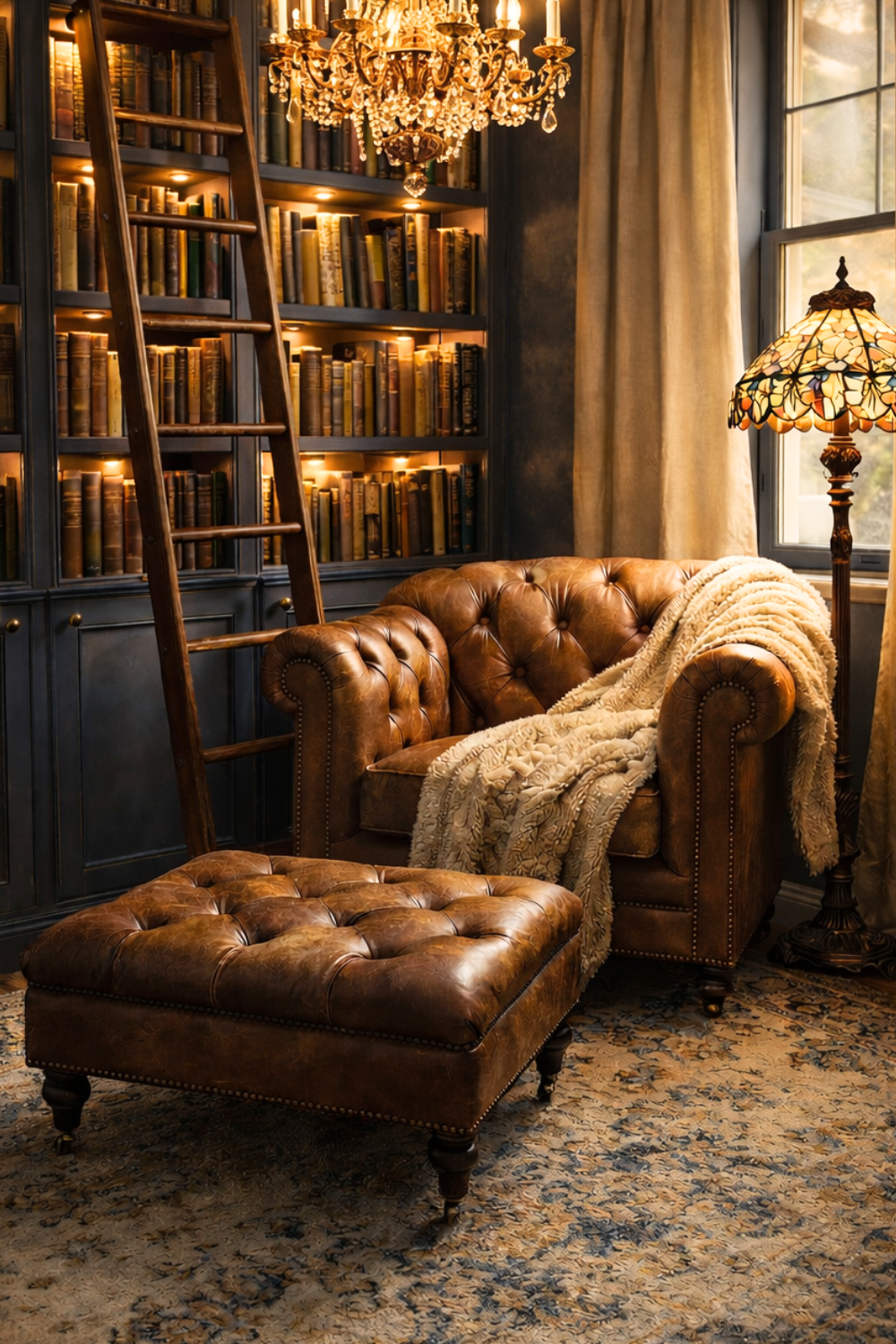
The first sign of autumn isn't always found outside. Sometimes it is the evening you close the curtains a little earlier, switch on the lamps, and find yourself reaching for a book. Leather, old volumes and pools of golden light turn the home library into a refuge—a room made for the quieter season ahead.
Shop the Library After Summer Collection
Tufted Leather Chesterfield Chair
Deep button tufting, rolled arms and beautifully aged leather give the classic Chesterfield its unmistakable sense of permanence. It is the kind of chair that makes a library feel established—inviting you to settle in as the evenings grow longer.
Tufted Leather Ottoman
A generously proportioned leather ottoman turns the reading chair into a true place of retreat. Choose tufted leather in a warm cognac or tobacco tone to continue the richness of the Chesterfield while adding somewhere to put your feet at the end of the day.
Crystal Chandelier
An unexpected touch of crystal lifts all the dark wood and leather with a little old-world glamour. When illuminated in the evening, the chandelier casts a warm glow overhead and gives the library the romance of a room from another era.
Traditional Persian-Style Rug
A richly patterned Persian-style rug anchors the reading corner and softens the formality of the dark bookcases and leather furniture. Look for muted, timeworn shades of rust, navy, ochre and cream for the collected appearance of a rug that might have been here for generations.
Tiffany-Style Floor Lamp
Stained glass and warm lamplight make a Tiffany-style floor lamp almost irresistible in an autumn library. Positioned beside the Chesterfield, it creates an intimate pool of light just where you need it for reading while adding another layer of turn-of-the-century character.
Antique-Style Bookcases with Library Ladder
Tall, dark wooden bookcases instantly give a room the gravitas of a traditional English library. Fill them generously with books and collected treasures, then add a wooden library ladder for that wonderful floor-to-ceiling effect that makes even a newly created library feel as though it has evolved over decades.
Bookcase Lighting
Small, discreet lights tucked into the shelves transform bookcases after sunset. Their golden pools of illumination highlight old bindings and collected objects while giving the entire library the warm, enveloping glow that makes you want to stay long after you've finished the last chapter.
Cream Cable Knit Throw
A generously textured cable knit throw softens the formality of leather and dark wood while making the library feel wonderfully lived in. Draped casually over the Chesterfield, its warm cream tone adds just enough coziness for chilly autumn mornings, rainy afternoons and long evenings spent with a favorite book.
Chapter 5: The Drawing Room After Dark
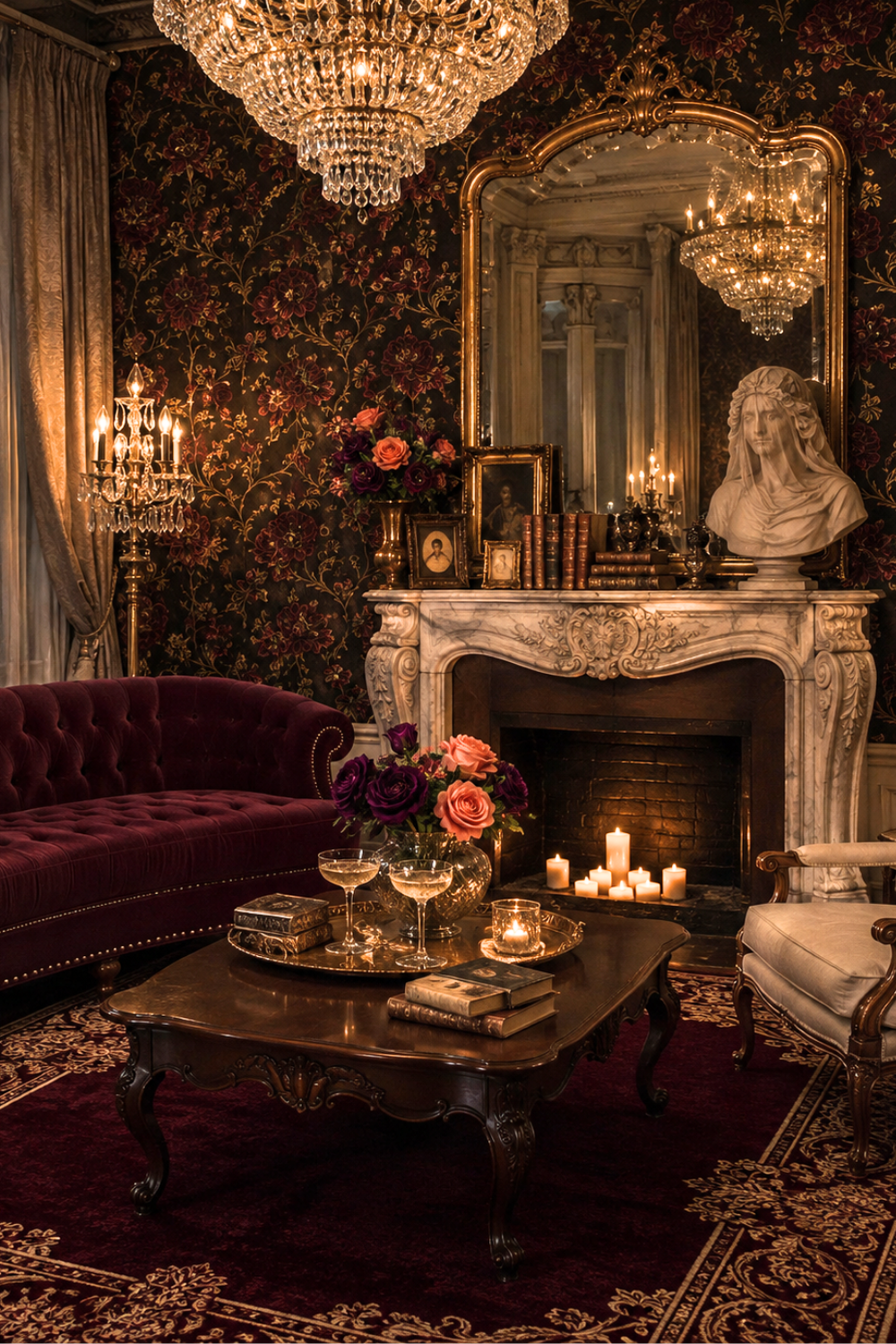
Welcome to the mystery of romance past, the room everyone passes through during the daylight hours but only intrigue clings to after dark. I imagine Edith Wharton in a haunted Parisian hotel waiting for an admirer to linger after a party. These luscious patterns and rich textures were not ashamed of being MORE because the experiences to be had were MORE than most of us dare to dream. With the whispers of Autumn in the air and the hint of magic that comes with it, how wonderful that we live in a time when all of this is available to us now if we have the courage to live as sumptuously as they did.
Wine-colored velvet, gilded frames, antique books, deep floral walls and roses in improbable shades of purple and autumn apricot create a room that feels sumptuous rather than spooky. There are no cobwebs or carved pumpkins here. Halloween is only a whisper.
A glass has been poured. The candles are burning low. And beneath the chandelier, a veiled woman keeps watch over the room.
Come in. Autumn has arrived at Maison Elizabeth.
Shop the Drawing Room After Dark Collection:
French Carved Mantel
A grand French-inspired mantel brings architectural history into the room with carved details, graceful curves and the appearance of timeworn stone. More than a fireplace surround, it creates an instant focal point—the kind of piece that makes even a newer room feel as though it has a past.
Gilded French Mirror
Ornate curves and an aged gold finish give this oversized mirror the romance of something discovered in a Paris apartment. Hung above the mantel, it reflects chandelier and candlelight throughout the room while adding another layer of Gilded Age drama.
Burgundy & Gold Floral Wallpaper
Deep, dramatic and unapologetically romantic, this richly patterned floral wallpaper sets the mood for the entire drawing room. Burgundy blossoms and scrolling gold foliage against a dark ground create the feeling of an old European interior—and become especially beautiful when illuminated by warm evening light.
The Veiled Lady Bust
A classical veiled woman introduces just the right note of mystery. Her delicately sculpted face seems to emerge from beneath translucent folds of stone, making her both beautiful and slightly haunting. Perched upon the mantel beneath the gilded mirror, she becomes less an accessory than a character in the room.
Burgundy Tufted Velvet Sofa
Sumptuous burgundy velvet transforms the traditional tufted sofa into the dramatic heart of this autumn drawing room. The deep wine color, button tufting and curved silhouette evoke nineteenth-century parlors while providing the rich, enveloping contrast this room needs against its gilded details.
Burgundy Persian-Style Rug
A deep burgundy ground and intricate traditional border anchor the room in old-world warmth. The ornate pattern echoes the wallpaper without competing with it, while the saturated color creates the wonderfully layered feeling of a drawing room assembled over generations rather than decorated all at once.
Gilded Crystal Chandelier
Nothing changes the atmosphere of a room quite like crystal overhead. Cascading tiers of shimmering drops capture and scatter warm light across the gilded mirror, velvet and dark floral walls, lending the entire space the glow of an elegant European salon after sunset.
Crystal Candelabra Floor Lamp
Part lamp, part jewelry for the room, this crystal candelabra brings the grandeur of a chandelier down to eye level. Its candle-style lights and dangling crystals create pools of golden illumination beside the velvet sofa—the perfect finishing touch for a room designed to become more beautiful, and just a little more mysterious, after dark.
Cabriole Leg French Coffee Table
Graceful cabriole legs and carved detailing give this French-inspired coffee table the presence of an antique salon piece. Its rich wood finish brings warmth to the velvet, gilding and crystal surrounding it, while providing the perfect stage for old books, fresh roses, candlelight and a gold serving tray.
Carding Mill Rose and the Ebbtide Rose
Both of these heirloom roses are ideal for fall’s sweet hint of warmth and mystery.
The Maison Elizabeth Guide to Patchwork Quilt Comfort
Discover timeless quilts, heirloom-inspired bedrooms, and beautiful pieces that invite warmth and romance into your home.
Some of the recommendations in this journal are affiliate links. If you choose to purchase through them, I may earn a small commission at no additional cost to you.
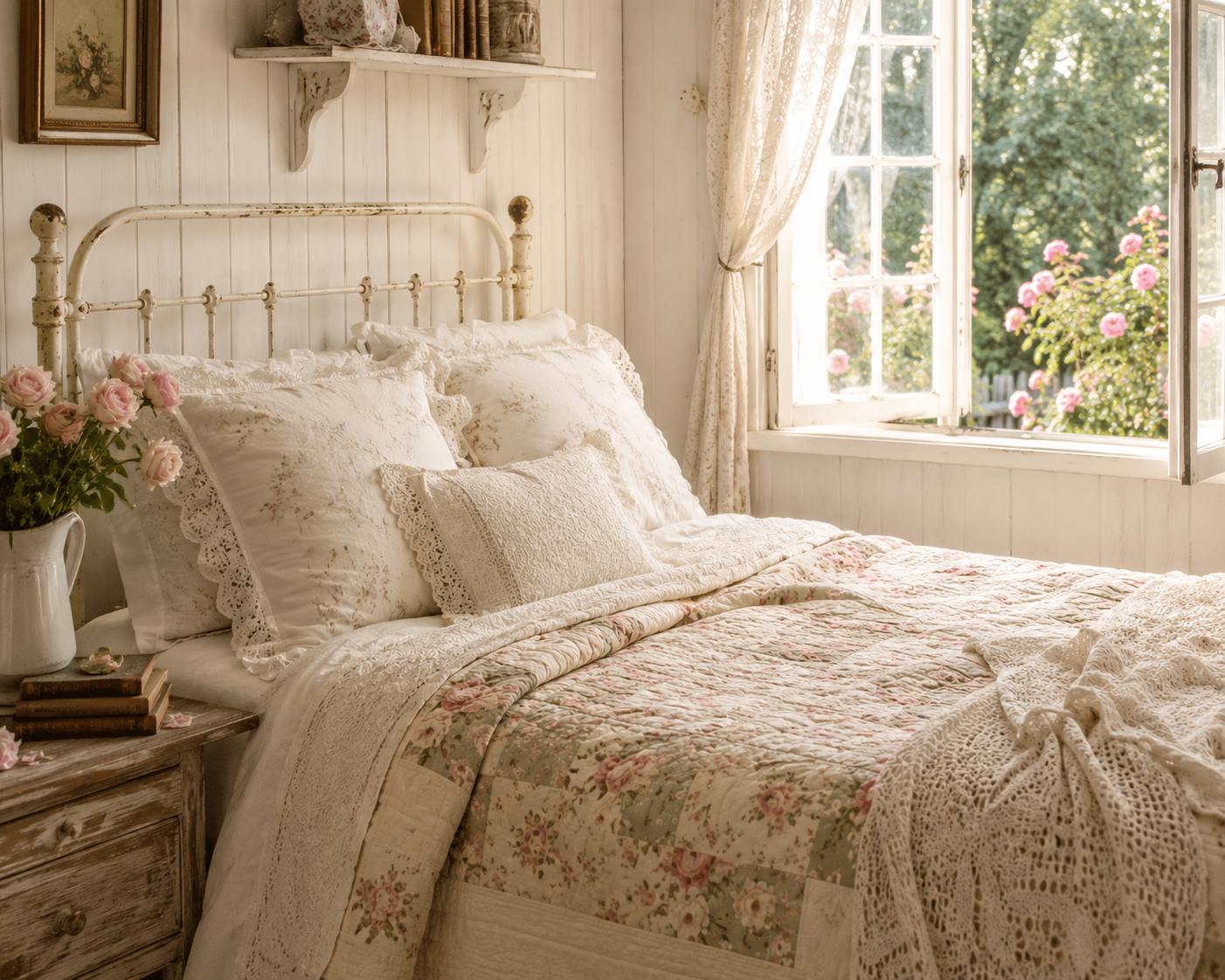
Is there anything that makes a home feel more welcoming than a patchwork quilt? Particularly with the colder Autumn months coming soon, layered soft linens, lace, and morning light, transforms an ordinary bedroom into a quiet retreat that invites us to slow down, linger a little longer, and remember that comfort is one of life's greatest luxuries — protection from the storms of life.
Heirloom Romance
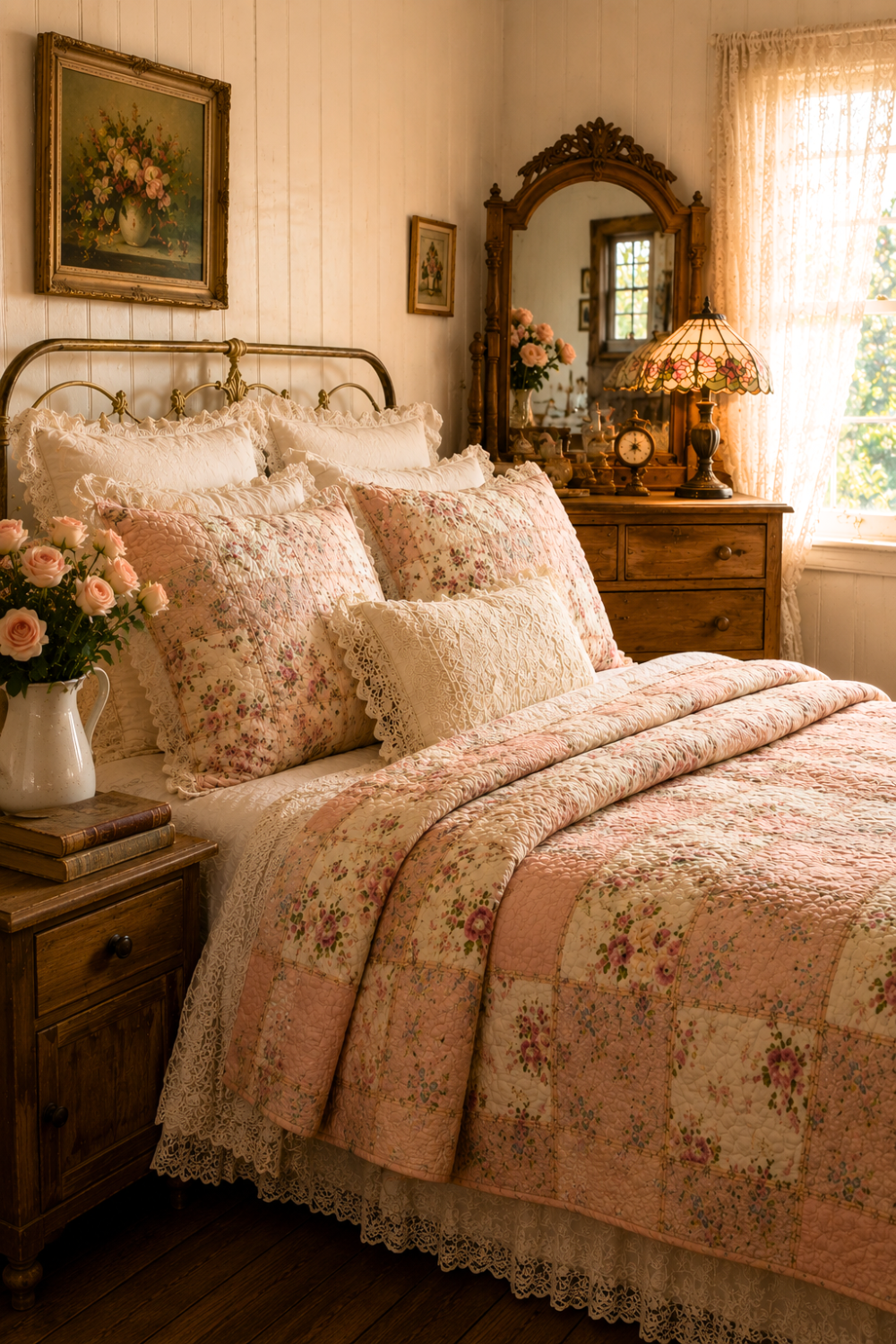
Soft blush florals, warm antique wood, and delicate layers of lace, particularly in an intimate space creates a feeling of home, peace. Comfort. Inspired by heirloom quilts and quiet summer mornings, this collection invites beauty, comfort, and timeless romance into everyday life.
Ideally, heirloom romance implies heirloom pieces from local antique stores, family legacies, estate sales or even, my favorite, Facebook Marketplace. But for those of us who would like the romance of this look immediately and are not in a position to hunt for antique items, I’ve done the hunting for you for similar items available on Amazon ready to transform your world.
Bring the Story Home
Invite the warmth and timeless romance of Heirloom Romance into your own bedroom with these thoughtfully chosen pieces inspired by heirloom antiques.
Quilt
A soft blush floral patchwork quilt with coordinating shams—the heart of the room.
Antique Iron Bed
A timeless iron bed with graceful curves that evokes the charm of an old English cottage.
Warm Antique Walnut Dresser
A rich walnut dresser that brings warmth, history, and character to the space.
Ornate Vintage Mirror
A carved antique-inspired mirror that reflects morning light and adds old-world elegance.
Tiffany-Style Lamp
A stained-glass lamp that casts a warm, golden glow in the early morning and evening hours.
Vintage Alarm Clock
A classic brass bedside clock that feels quietly nostalgic and beautifully timeless.
White Ceramic Pitcher
Filled with fresh garden roses, it becomes an effortless centerpiece for the bedside.
Shabby Chic Lace Pillows
Soft lace accent pillows layered in front of the quilted shams for texture and romance.
White Linen Sheets
Crisp, breathable linens that become softer with every wash.
Crochet Throw
A hand-knit throw draped casually across the bed, inviting you to linger with a favorite book.
Antique Nightstand
A weathered wood bedside table with vintage charm and practical storage.
Lace Curtains
Light, airy lace panels that gently filter the warmth of the morning sun.
Lace Bedskirt
Romantic and wistful, a lace bedskirt is ultimate indulgence.
Vintage Botanical Artwork
Soft floral artwork in aged gold frames to complete the collected cottage feeling.
A Favorite Novel
Because every romantic bedroom deserves a story waiting on the nightstand. Consider a nostalgic, beautiful printing.
Fresh Garden Roses from the Garden
There is nothing that brings immediate joy and beauty to a morning like fresh garden roses.
New England Farmhouse Calm
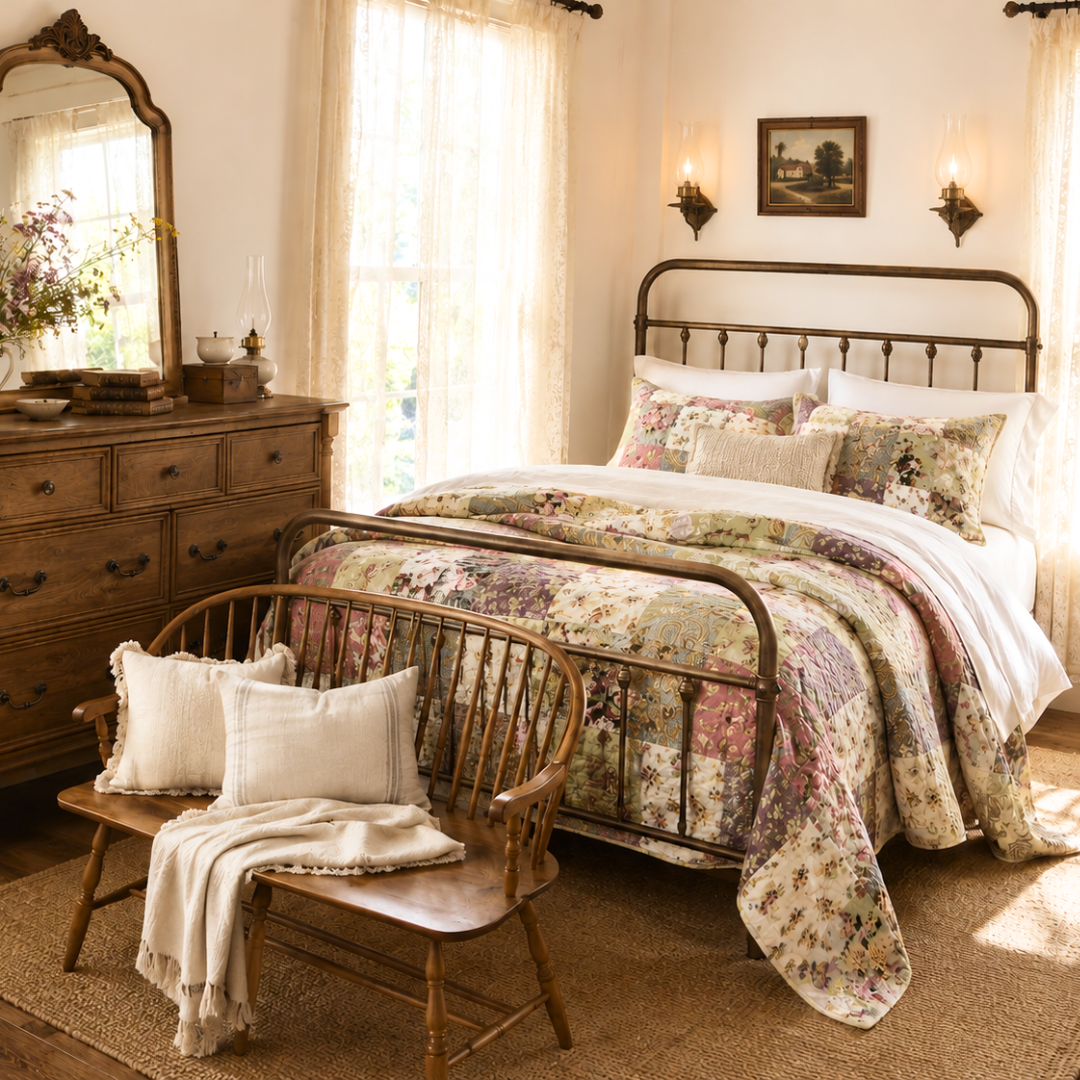
Whenever I think of New England farmhouses, I think of light. Colonists and early Americans relied on bright white walls to reflect the spring and summer light for as long as it was there to enjoy. Clean, spare, everything in its place. Lace curtains and crisp white sheets, timeworn wood, and a patchwork quilt touched with the softened colors of the changing season wrap you in peace. With its iron bed, wildflowers, oil lamps, and relaxed layers, this room captures the quiet comfort of a New England farmhouse in early September—bright and airy, yet ready for the first cool evenings of autumn. Truly a sanctuary of your own.
Bring the Story Home
Invite the quiet warmth of New England Farmhouse Calm into your own bedroom with pieces that feel simple, useful, and gently collected over time.
Patchwork Quilt
A softly colored floral quilt that bridges late summer and early autumn with faded rose, sage, lavender, cream, and warm gold.
Antique-Style Iron Bed
A dark bronze or aged metal bed with clean farmhouse lines and the character of an old New England home.
Crisp White Bedding
Fresh white sheets and pillowcases create a clean foundation beneath the quilt and keep the room feeling bright and airy.
Warm Wood Dresser
A traditional wood chest with visible grain, turned feet, and simple antique-inspired hardware.
Carved Vintage-Style Mirror
An aged bronze or warm wood mirror adds history and reflects the soft light coming through the windows.
Spindle Bench
A classic wood bench at the foot of the bed creates a relaxed place for extra pillows, folded blankets, or morning coffee.
Neutral Textured Pillow Covers
Cream linen, woven cotton, or softly embroidered pillows add comfort without competing with the quilt.
Lightweight Cotton Throw
Drape it casually over the bench rather than folding it perfectly—the room should feel welcoming and lived in.
Lace Curtains
Simple lace panels filter the morning sun and bring softness to the clean farmhouse walls.
Rustic Oil-Lamp Style Sconces
Glass hurricane shades and aged brass or bronze fittings add old-fashioned warmth beside the bed.
Pitcher of Wildflowers
A white ceramic pitcher filled with loose seasonal flowers gives the room an unfussy, gathered-from-the-field feeling.
Leather-Bound Books
A small stack of worn books introduces depth, history, and the promise of a quiet afternoon indoors.
Natural Fiber Rug
A jute, sisal, or woven wool rug grounds the room with practical texture and warmth underfoot.
A Quiet September Ritual
Open the curtains, turn down the quilt, bring in a handful of wildflowers, and let the room remain just a little imperfect.
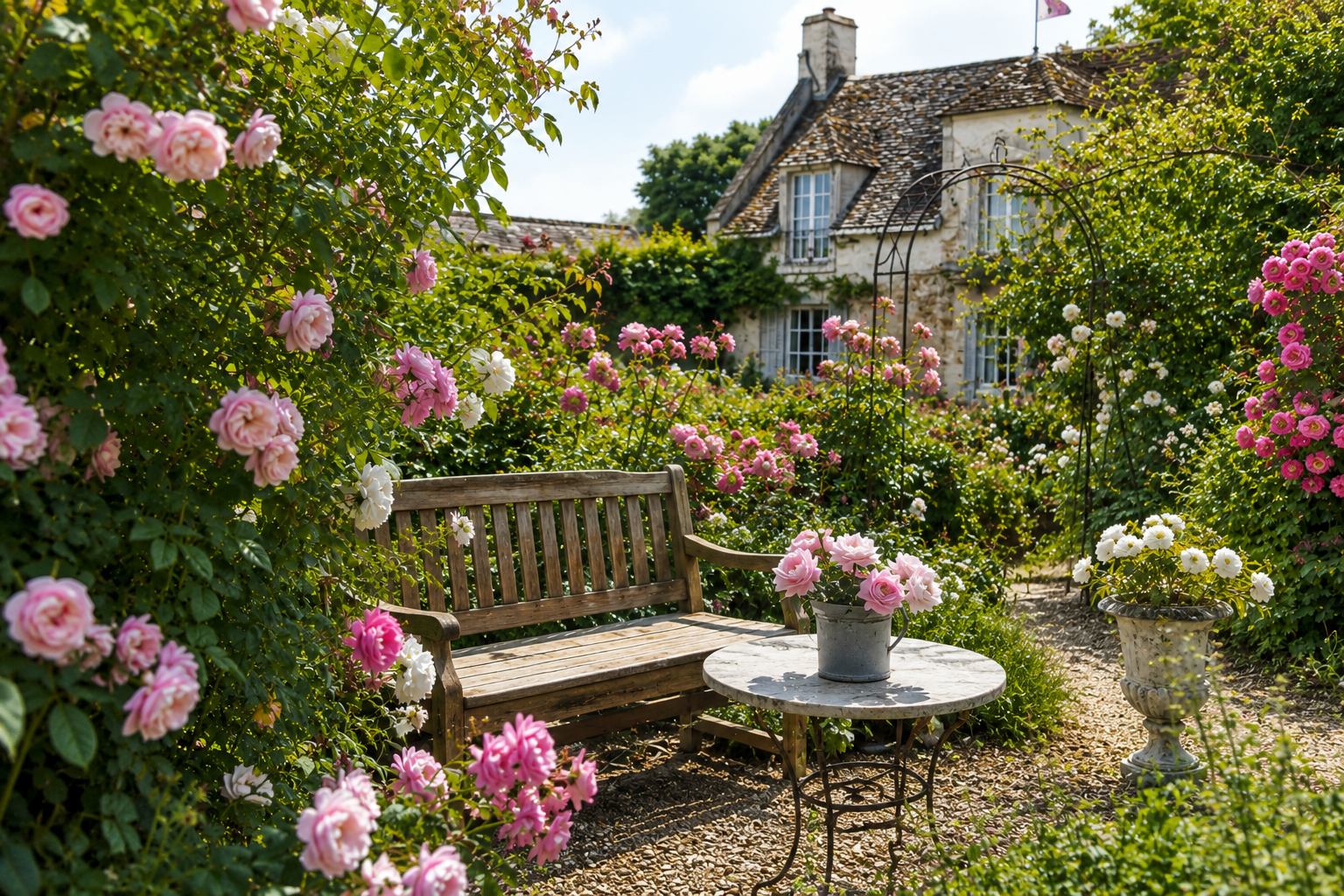
The Maison Elizabeth Guide to French Gardens
Romantic outdoor rooms inspired by the gardens, courtyards, and villages of France — translated for real homes.
Maison Elizabeth participates in affiliate programs, which means I may earn a small commission if you purchase through these links—at no additional cost to you. Thank you for supporting my work.
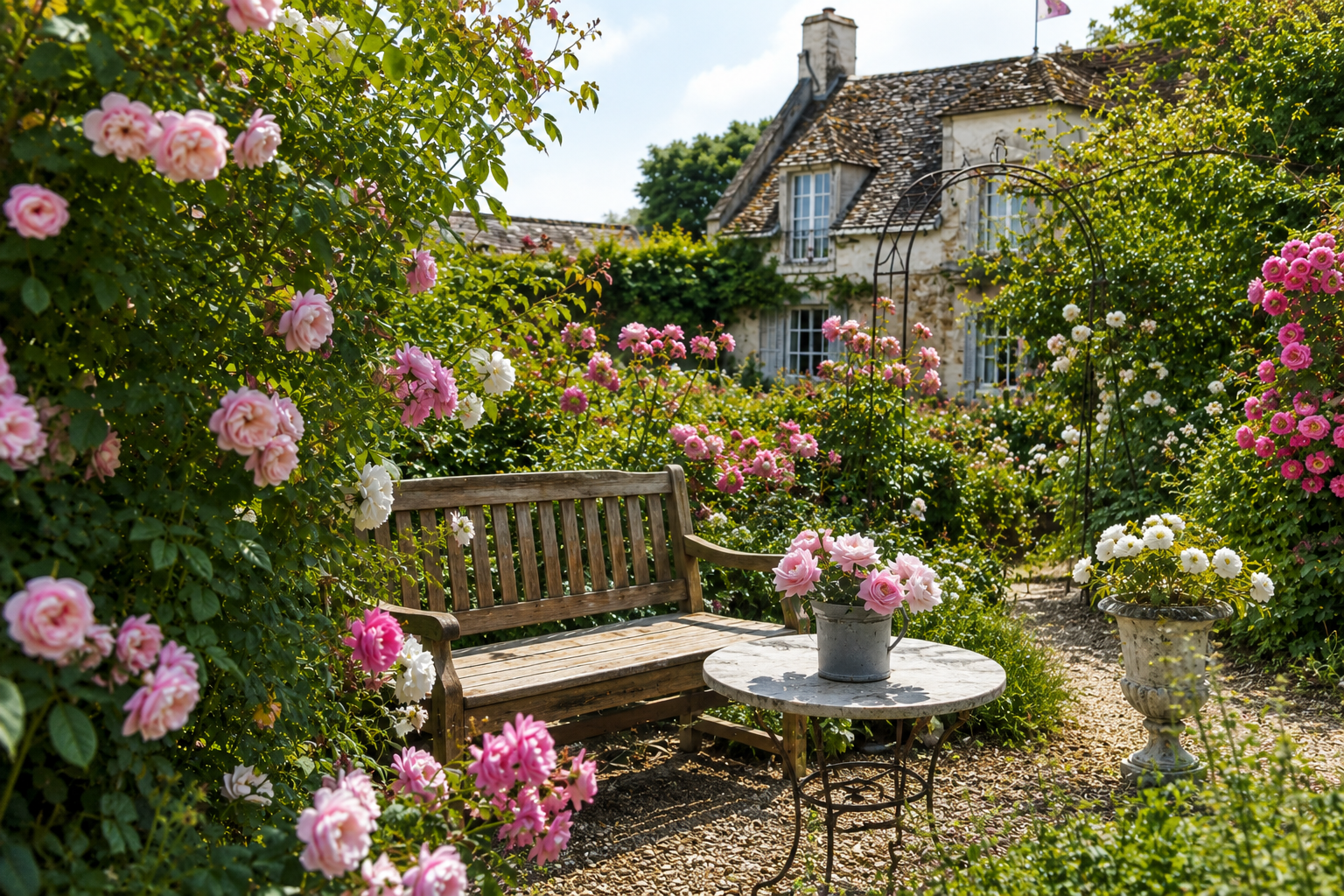
France is a country of gardens—sunlit courtyards in Provence, rose-covered cottages in Normandy, elegant terraces in Paris, and quiet fountains tucked behind ancient stone walls. This laissez-fair of gorgeousness has bewitched so many of us searching to recreate the generational beauty in our own lives — to create, to capture such loveliness and meaning in our own day to day. More than that, to watch what we create mature for generations, a legacy of joy that can continue.
This journal is a growing collection of French-inspired outdoor rooms, each capturing the beauty and spirit of a different region. My hope is that these gardens inspire you to slow down, gather often, and create beautiful places to enjoy the everyday.
Bienvenue
— Elizabeth
A word about finding flowers for your garden: I provide Amazon links to the most mature plant options they provide. However, you might think to yourself, well that’s all fine and well but it would take years for mature flowers to scale the wall of my house or fence. The answer to this is AU CONTRAIRE! If you live in an area where Facebook Marketplace is available to you, I highly recommend perusing the roses, bougainvillea, lavender — plant of your dreams to see what is available in your local area. For myself, I was in desperate need of tall, mature roses to put against my wooden trellis and voila! Facebook marketplace had gorgeous Eden roses already 3 years old and five feet tall for sale.
Morning in Provence
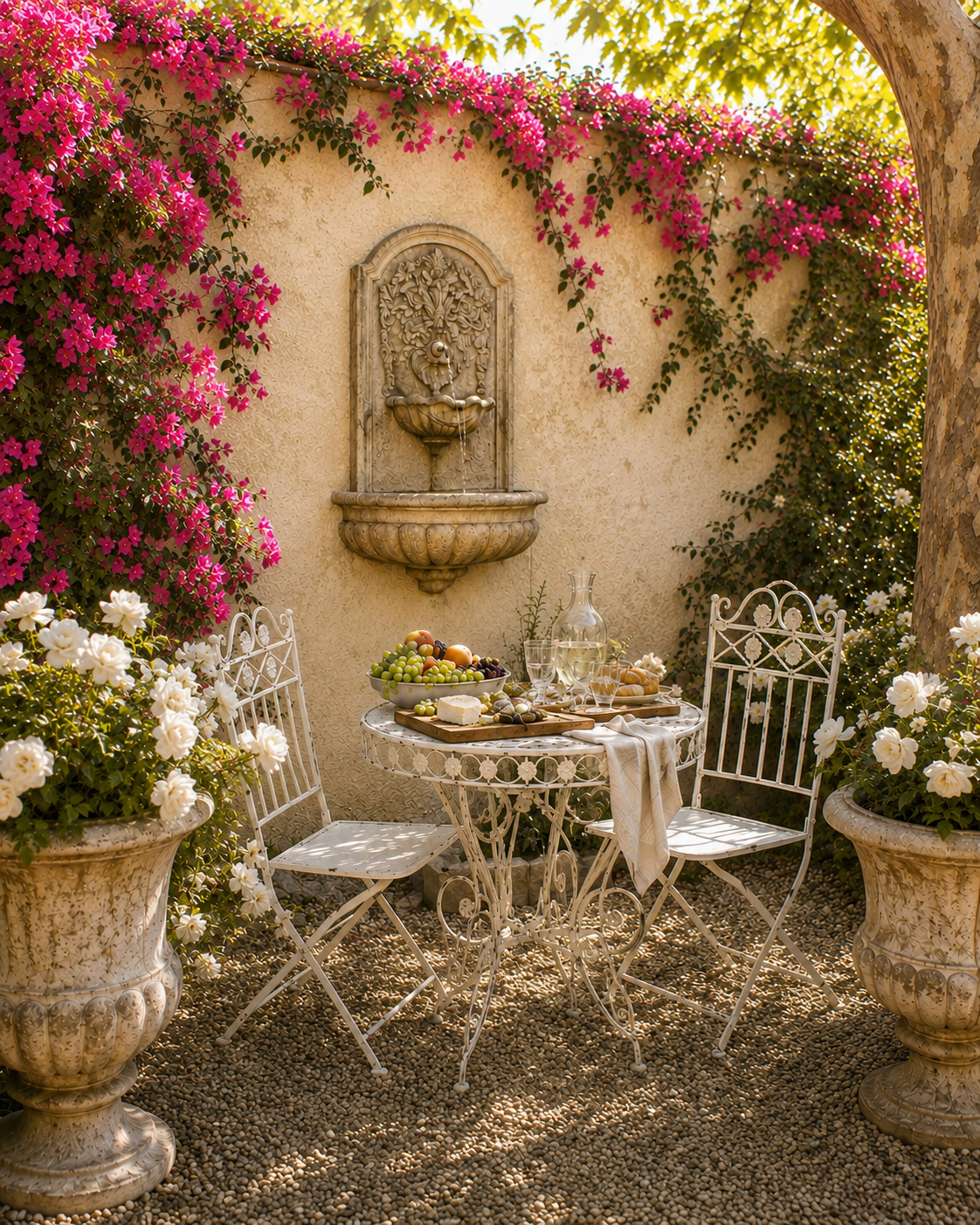
Morning arrives gently in Provence. Sunlight filters through the branches of an old plane tree, a limestone fountain trickles quietly in the background, and breakfast lingers long after the coffee has been poured. Bougainvillea spills over weathered walls while white roses soften the edges of the courtyard, creating a garden that feels both vibrant and unhurried.
So many of us only imagine Southern France as a bouquet of lavender, olive trees and all that the sparse Mediterranean flavor provides. But there is also softness, romance and the lushness of iceberg roses — the blush of climbing bougainvillea.
This isn't a grand estate or a formal garden. It's a reminder that even a small outdoor corner can become a destination for slow mornings, fresh bread, seasonal fruit, and the simple pleasure of spending time outdoors.
Approximate Investment: $1,500–$3,000
Shop the Look
Recreate the feeling of this Provençal courtyard with these carefully selected pieces.
French gardens remind us that luxury isn't measured by size, but by the moments we create within them. Sometimes all it takes is one beautiful corner and an invitation to slow down.
The Hidden Rose Pavilion
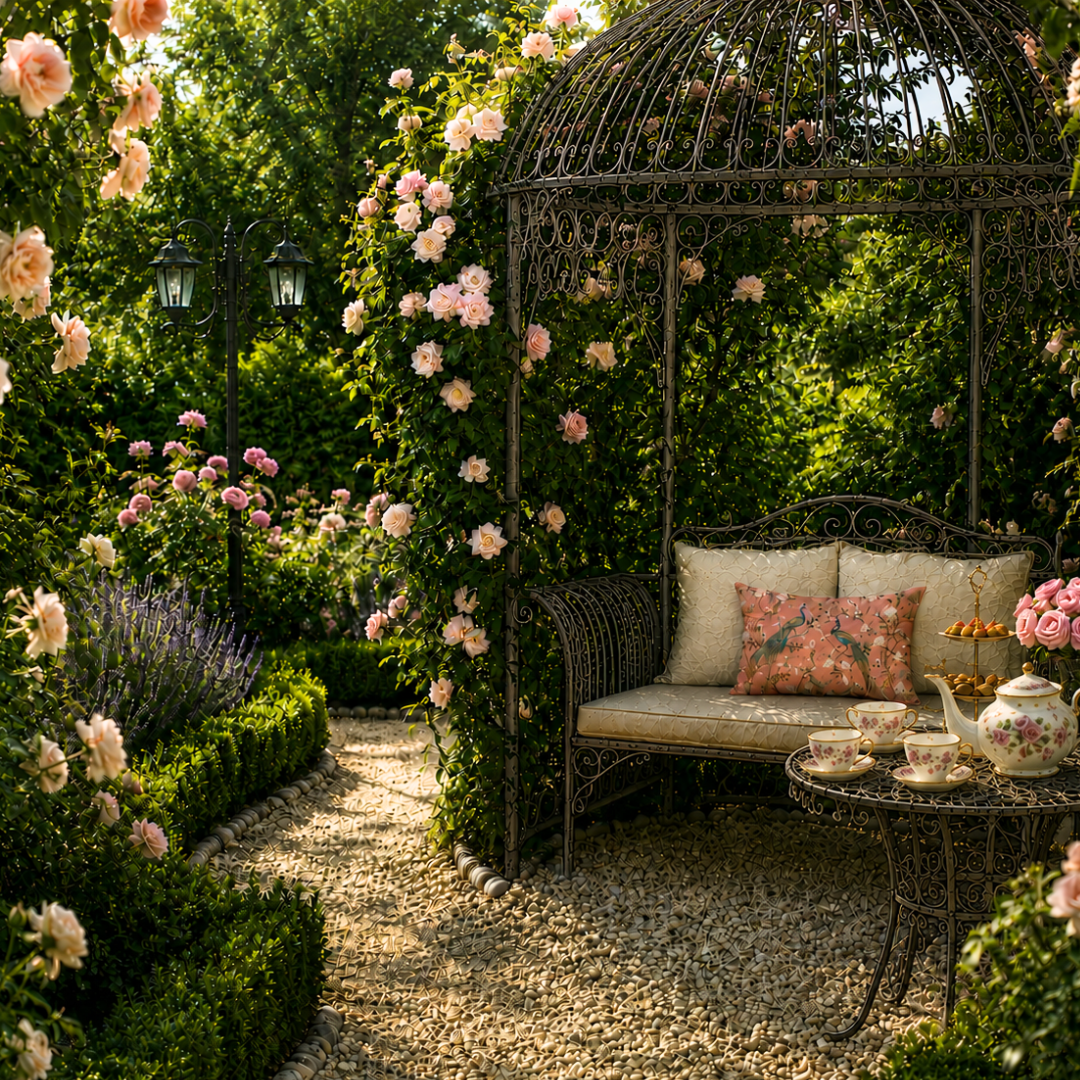
In the early 1800’s, Empress Josephine would hide away from the political intrigue of Napoleon’s world in her beloved rose garden. There, she could read, think, nap even, if she chose. Sometimes, her rose garden became an intimate rendezvous point not for lovers, but for her closest friends.
A hidden rose pavilion is a sanctuary, a private place for dreaming. It may not be the early 1800’s, and we may not be Empress Josephine but climbing roses, morning tea, and a favorite book along a hidden path can still create the same intimate sanctuary in our lives where only the finest luxuries will do. Inspired by the romance of historic European gardens, The Hidden Rose Pavilion proves that with a few thoughtfully chosen pieces, even an ordinary backyard can become an unforgettable destination.
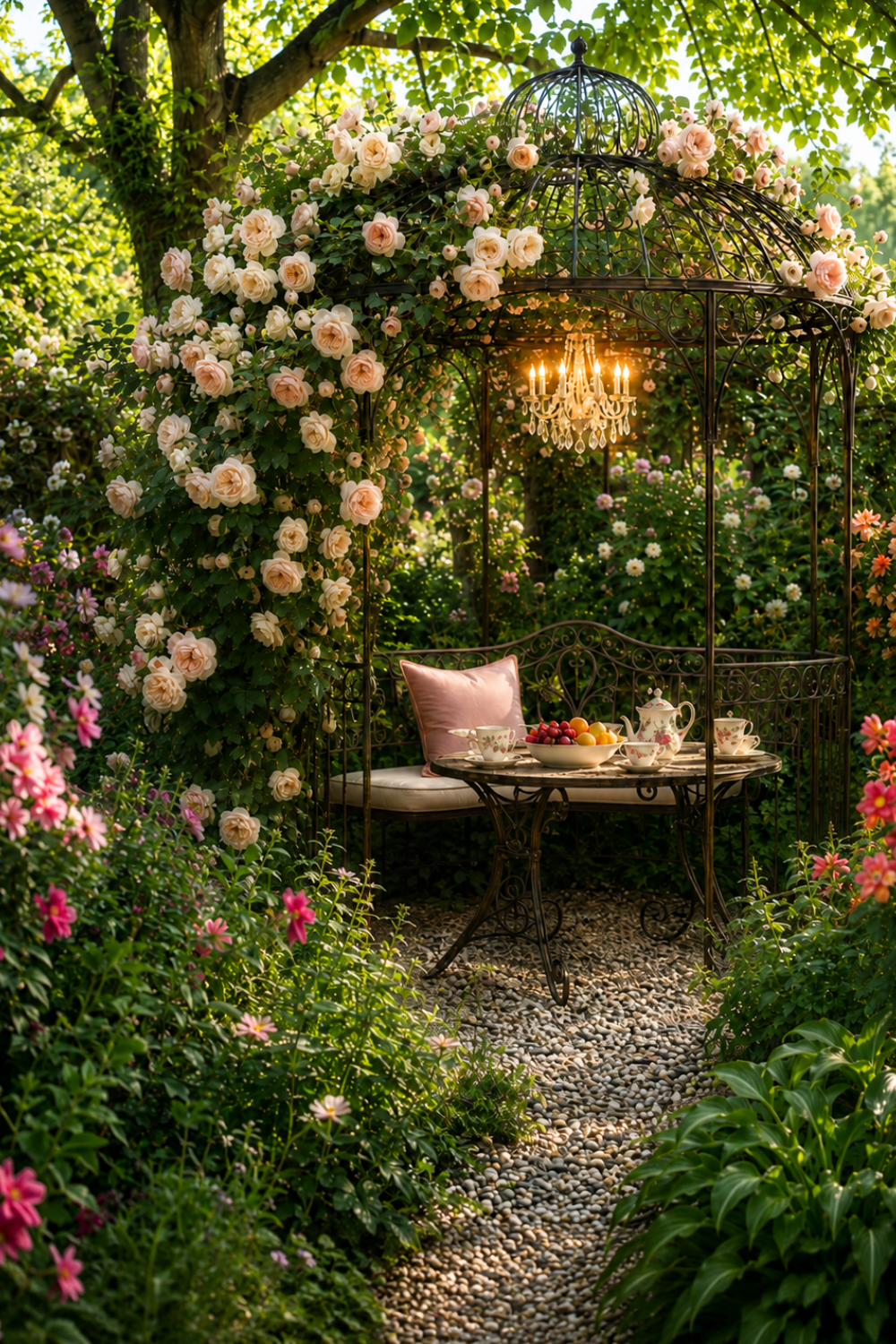
Create Your Own Hidden Rose Pavilion
Garden Structures
Furniture
Textiles
Tea & Entertaining
Garden Library
Roses & Planting
Empress Joséphine transformed Malmaison into one of history's most celebrated rose gardens through patience, curiosity, and a love of beauty. Our own gardens may be humbler, but they can be created with the same spirit—one rose, one morning, one beautiful corner at a time, reminding us that we are the kings and queens of our own little kingdoms. Take a breath. Sit in the shade and enjoy the silence.
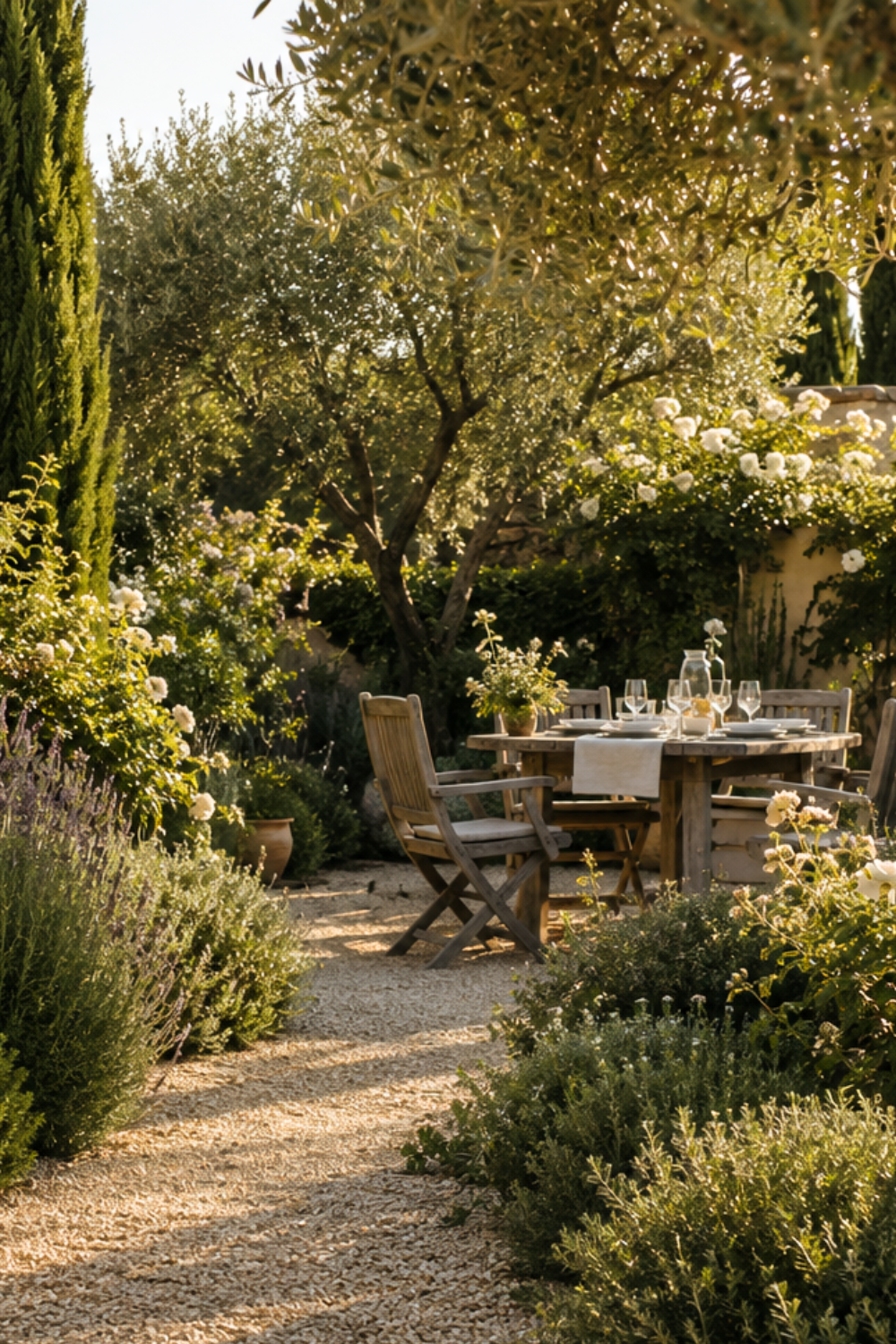
Southern France Back Garden Handbook
*contains affiliate links with no cost to you
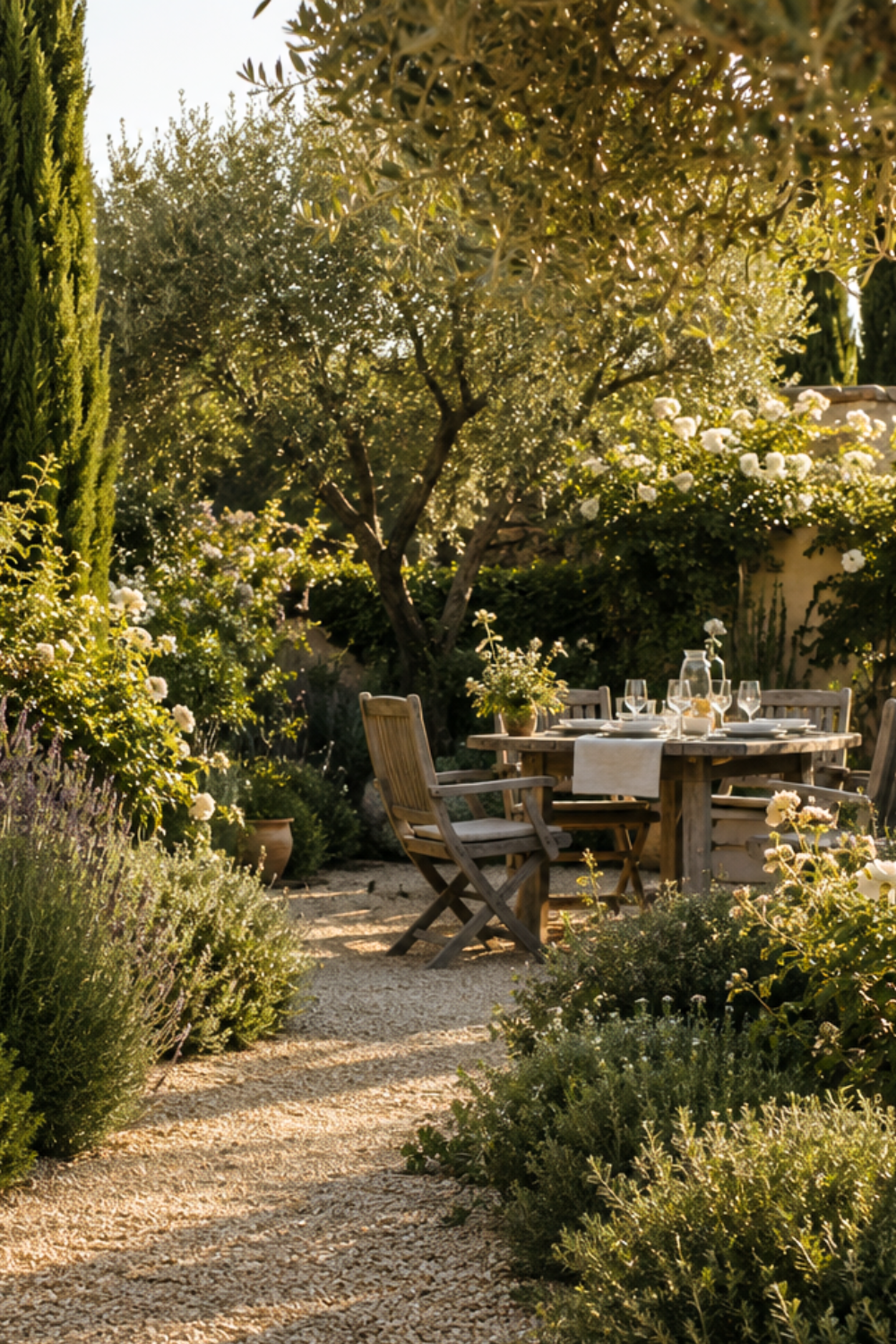
Southern France Garden Handbook
Create a Southern France Garden at Any Budget
You do not need a large estate.
You do not need a perfect house.
You do not need an unlimited budget.
You need only a place to begin.
The Southern France Garden Handbook is a practical 100-page guide designed to help homeowners transform ordinary outdoor spaces into timeless gardens inspired by Southern France.
Whether you have a tiny patio, an existing patio, a large backyard, a pool area, or a yard with little privacy, this handbook provides realistic strategies that can be implemented over time and at multiple budget levels.
What's Included
Tiny Patio Strategies
$500 • $1,500 • $3,000
Transform even the smallest outdoor space into a destination.
Existing Patio Strategies
$800 • $1,500
Turn an overlooked covered patio into a welcoming outdoor room.
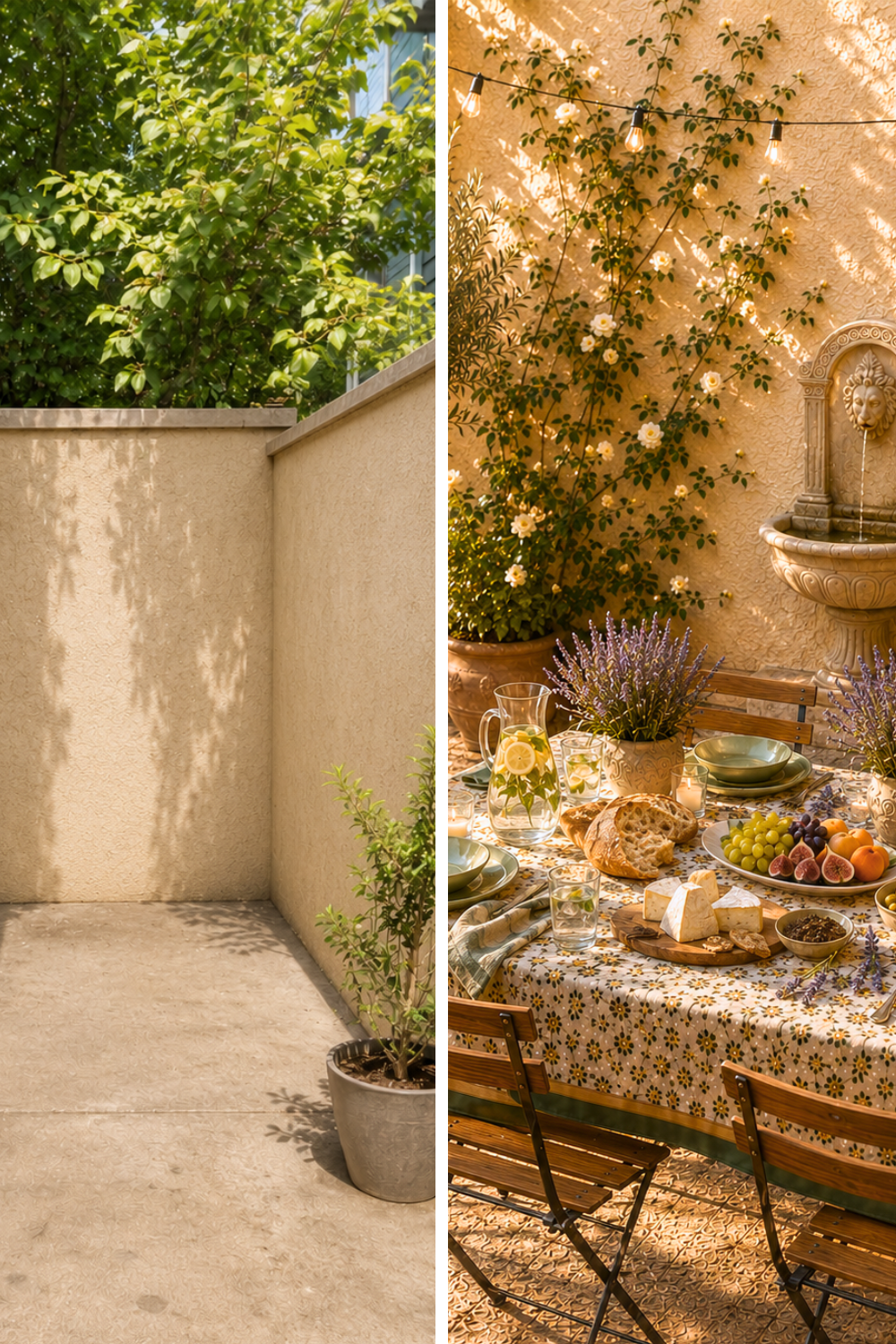
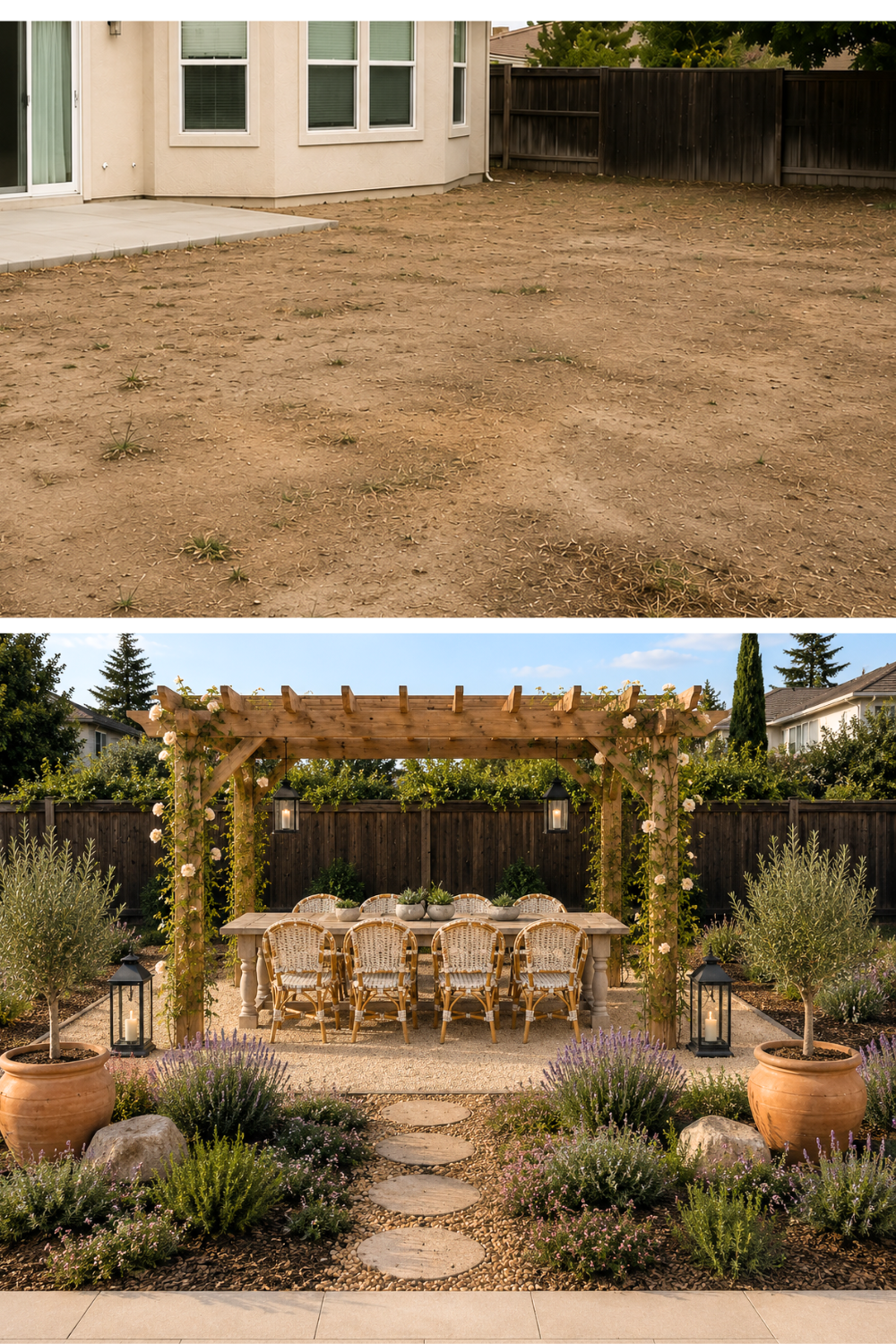
Large Backyard Strategies
$3,500 • $5,000
Create a Southern France-inspired dining destination within the landscape.
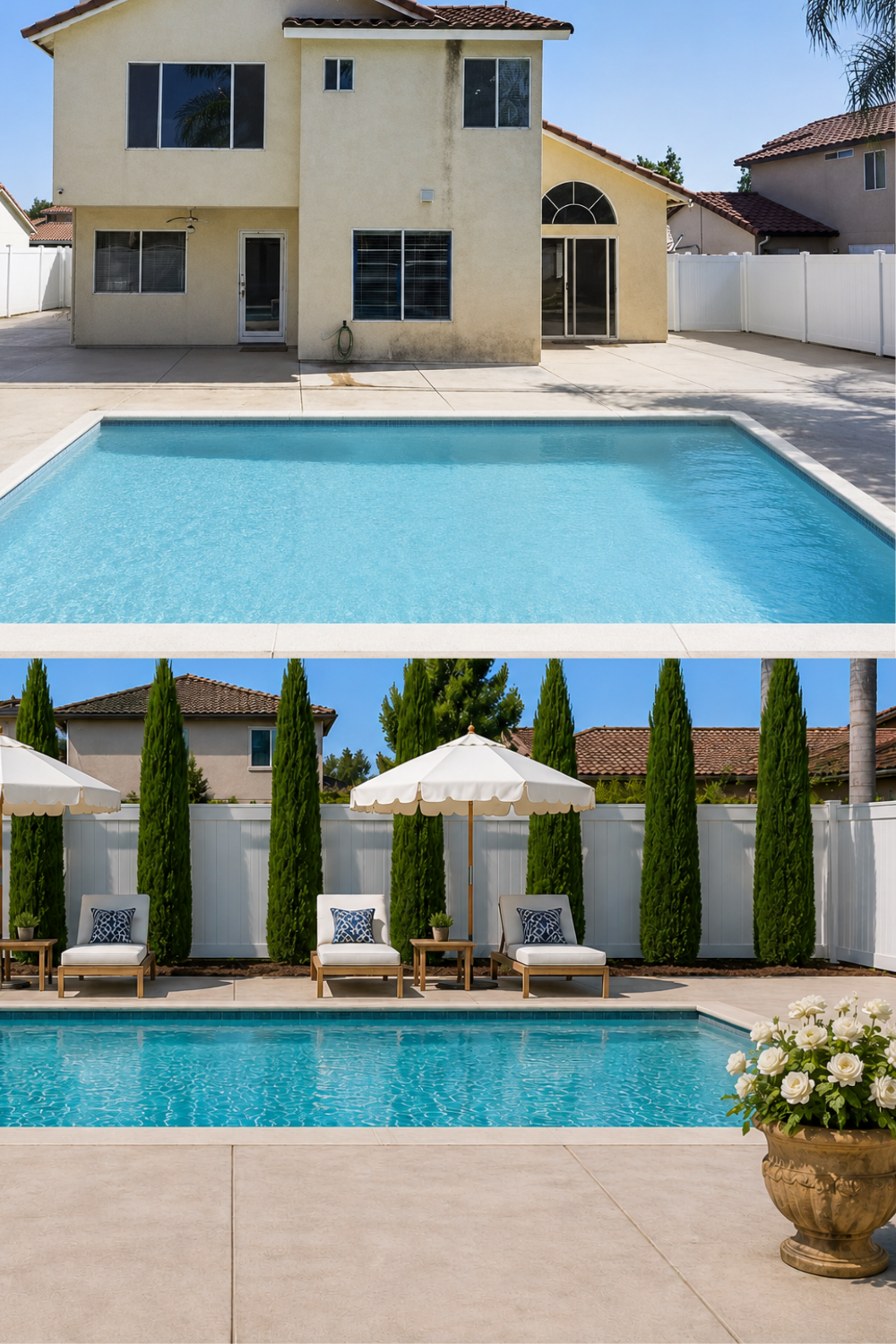
Existing Pool Strategies
$2,000 • $4,000
Transform a concrete pool area into a place for relaxation and gathering.
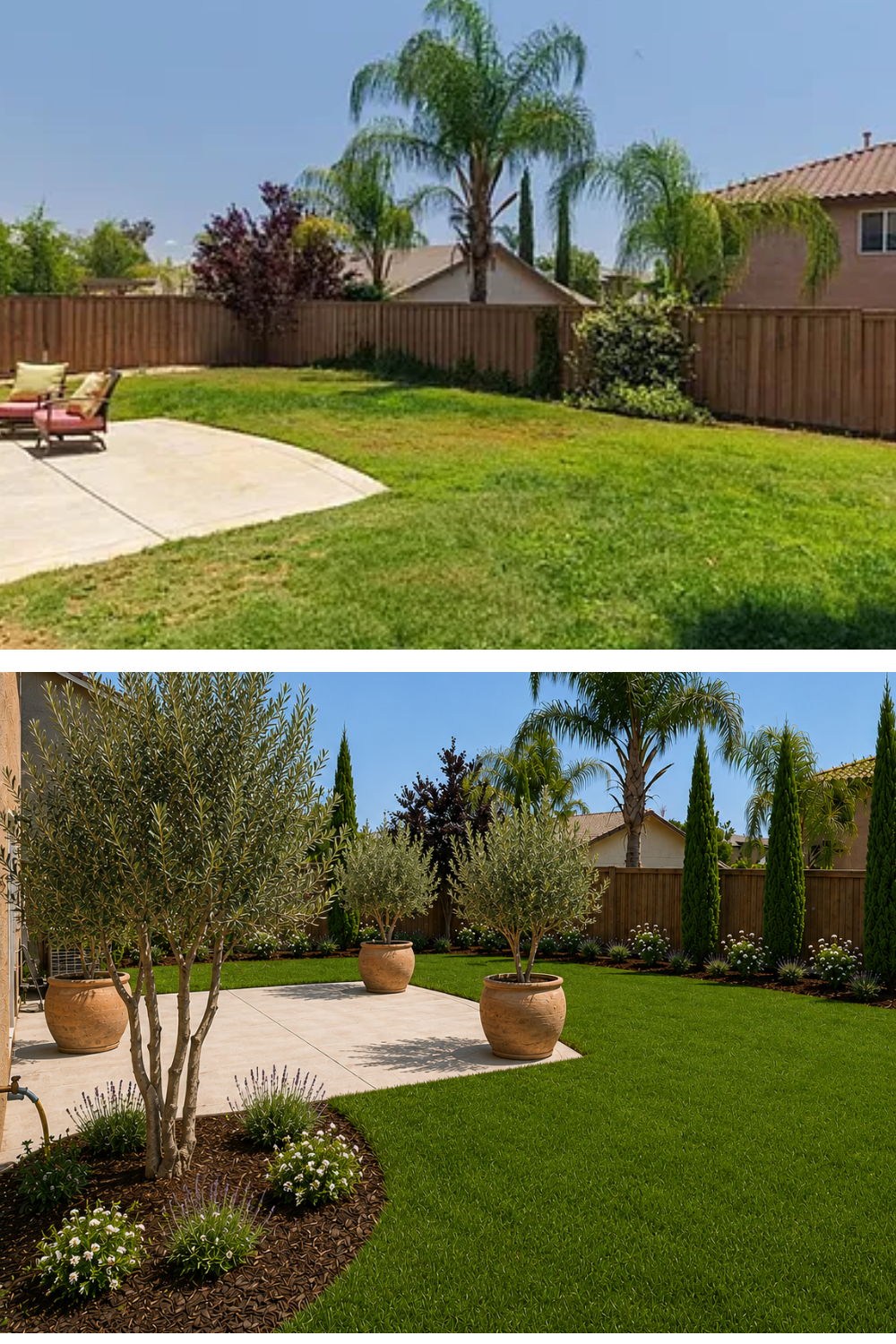
No Privacy Strategies
$2,500 • $3,500
Use planting and structure to create enclosure and beauty.
Inside the Handbook
✓ Before & After Visual Examples
✓ Budget Breakdowns
✓ Shopping Sources
✓ Step-by-Step "Build This Garden" Roadmaps
✓ Common Mistakes to Avoid
✓ The Six Principles of Southern France Gardens
✓ Practical Solutions for Real Homeowners
The Six Principles
The handbook is built around six principles found throughout Southern France:
Destination
Enclosure
Hospitality
Natural Materials
Layered Planting
Restraint
These principles can be applied to almost any outdoor space regardless of size, budget, or location.
Who This Handbook Is For
This handbook is for homeowners who:
• Love Southern France-inspired gardens
• Want practical implementation rather than inspiration alone
• Are working with realistic budgets
• Want their outdoor spaces to feel beautiful, welcoming, and timeless
• Prefer gradual transformation over expensive renovations
Not Included
✗ Luxury estate designs
✗ Expensive hardscape renovations
✗ Professional landscape plans
✗ Unrealistic budgets
✗ Resort-style outdoor living spaces
This handbook focuses on attainable solutions for real homes.
A Final Thought
The most beautiful gardens are rarely finished.
They evolve.
An olive tree grows broader with time.
A climbing rose finds its way across a wall.
A small patio becomes a destination.
The goal is not perfection.
The goal is to create a place where life happens.
Southern France Garden Handbook
100+ Pages
Instant Digital Download
$12
→ Get the Handbook
South of France Style Homes with Provençal Charm
This post contains affiliate links. As an Amazon Associate, I earn from qualifying purchases at no additional cost to you.
Southern France Back Garden Handbook Entry Level
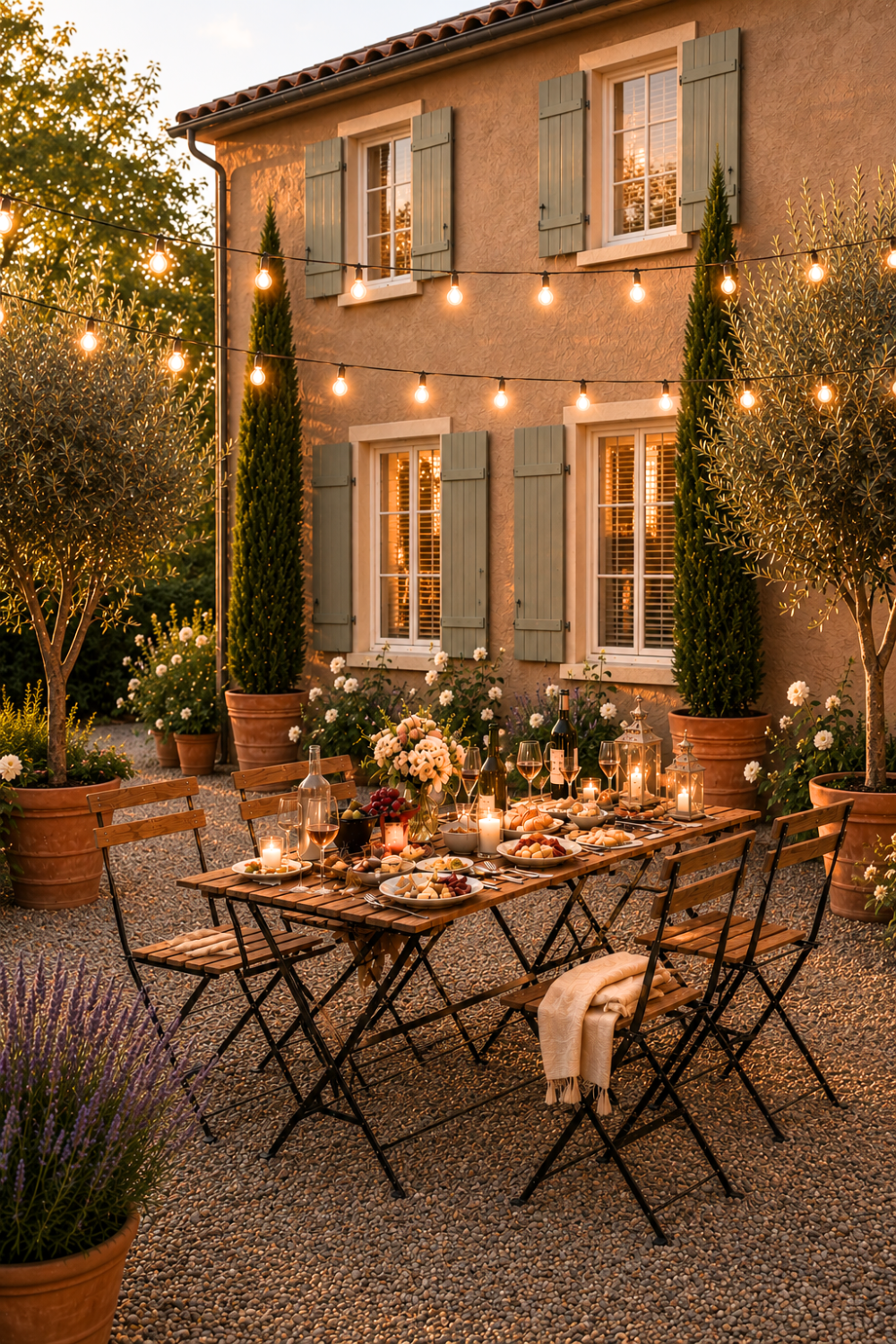
Southern France Garden Handbook
Beautiful gardens are rarely created all at once.
They evolve.
A gravel path is added.
An olive tree is planted.
A small patio becomes a destination.
Over time, a collection of thoughtful decisions becomes something larger: a garden that feels welcoming, timeless, and deeply lived in.
The Southern France Garden Handbook was created to help homeowners apply those same principles in their own outdoor spaces.
Inside this 100-page handbook you'll find practical plans for five common backyard situations:
✓ Tiny Patios
✓ Existing Patios
✓ Large Backyards
✓ Existing Pools
✓ No Privacy Backyards
Each strategy includes:
• Before & After Examples
• Budget Breakdowns
• Shopping Sources
• Step-by-Step "Build This Garden" Roadmaps
• Common Mistakes to Avoid
• The Six Principles of Southern France Gardens
Whether you're working with a small patio, a pool surrounded by concrete, or a backyard that lacks privacy, this handbook provides realistic, attainable solutions inspired by the gardens of Southern France.
The goal is not perfection.
The goal is to create a place where life happens.
Available now as a digital download for $12.
→ View the Southern France Garden Handbook
Prefer to start on your own? Start with the elements below!
Shop Provençal Home Essentials : Begin with the Basics
• Rustic Wood Settee
• Linen Bedding and Textiles
• Terracotta Planters and Pottery
• French Bistro Seating
• Faux Potted Olive Tree
The Foundation of Provençal Homes
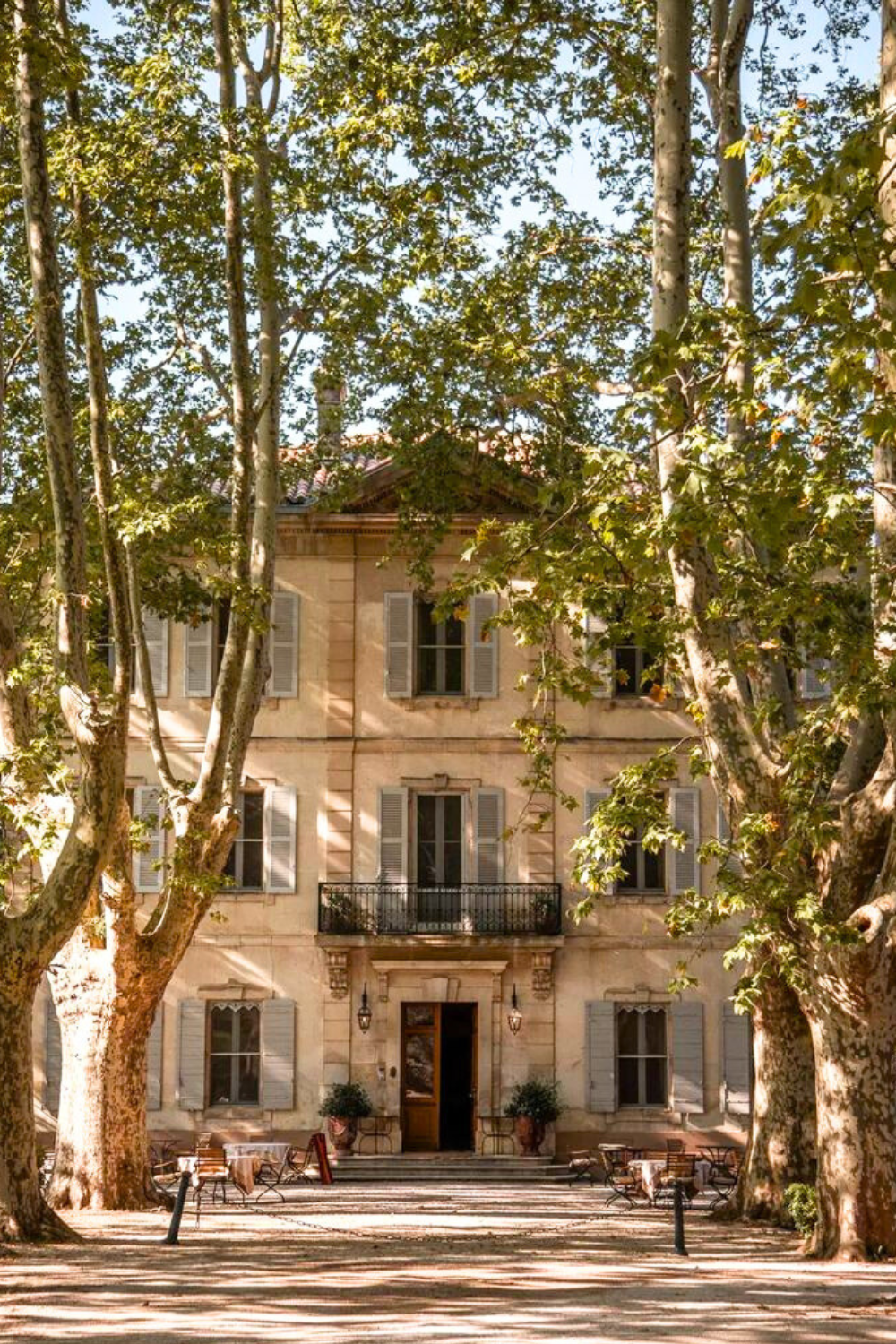
At the heart of South of France interiors are natural architectural materials — plaster walls, stone floors, exposed beams, and wooden shutters. These elements create a sense of permanence and warmth before furnishings are even introduced.
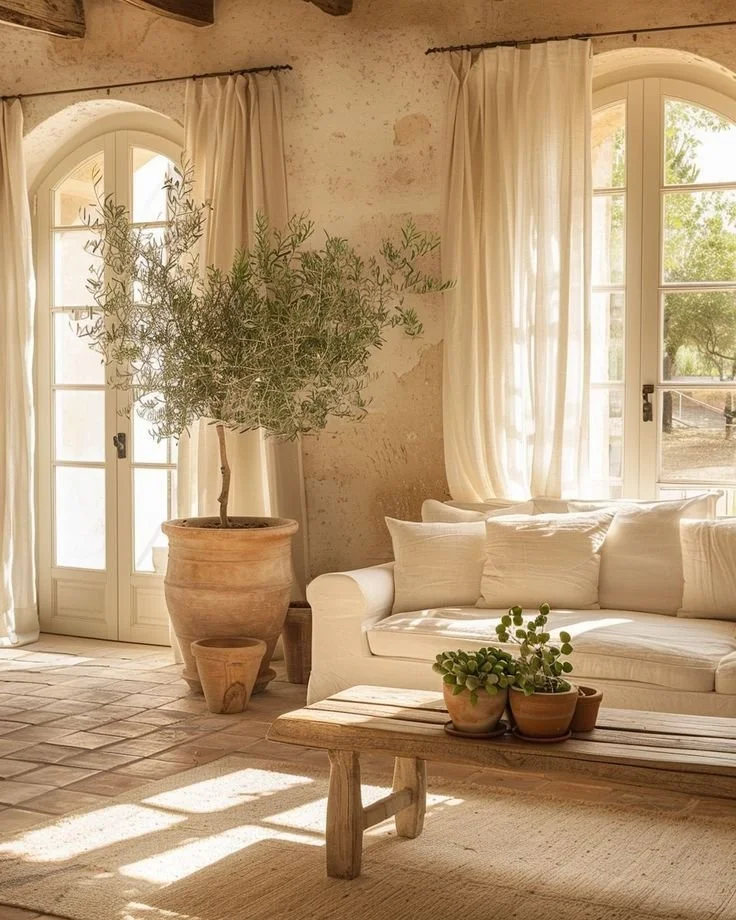
Stone & Natural Wood Detail
Soft plaster finishes and stone textures reflect light beautifully, creating interiors that feel both rustic and refined.
Shop Plaster and Stone-Inspired Foundations:
• Light Travertine Tumbled Antiqued Wall Stone
• Travertine Tumbled Antiqued Floor Stone
Rustic Wood Beams Furniture
Provençal rustic wood furniture embodies the understated elegance of the South of France, where natural materials and timeworn finishes create interiors that feel both storied and serene.
Shop Faux Rustic Wood Beams
• 👉 Heritage Salvaged Timber in Kona Wood
Furniture
Settees and Sofas
Settees and sofas in the Provençal style blend relaxed comfort with refined detailing, often showcasing neutral linens, exposed wood frames, and gently aged finishes.
Shop French Provincial Settees and Sofas
• 👉 Deep Seat Rolled Arm Sofa
• Natural Rattan French Country Settee
• Distressed Traditional French Settee Bench
French Provincial Chairs
Graceful and timeless, French Provincial chairs feature carved wood frames, soft curves, and linen or upholstered seats that bring effortless elegance to any space.
Shop French Provincial Seating
• 👉 Beige Fabric Upholstered and Honey Oak Finished Armchair
• French Country Cottage Weathered Tufted Linen Chair in Beige
French Provincial Beds
French country beds are defined by their understated beauty, with wood or upholstered frames, soft lines, and a lived-in elegance that feels both romantic and serene.
Shop French Provincial beds
• 👉 French Cane Inspired Bed
• Elegant Tufted Provincial Bed
• Upholstered Light Wood Bed
Linen Textiles & Soft Provençal Interiors
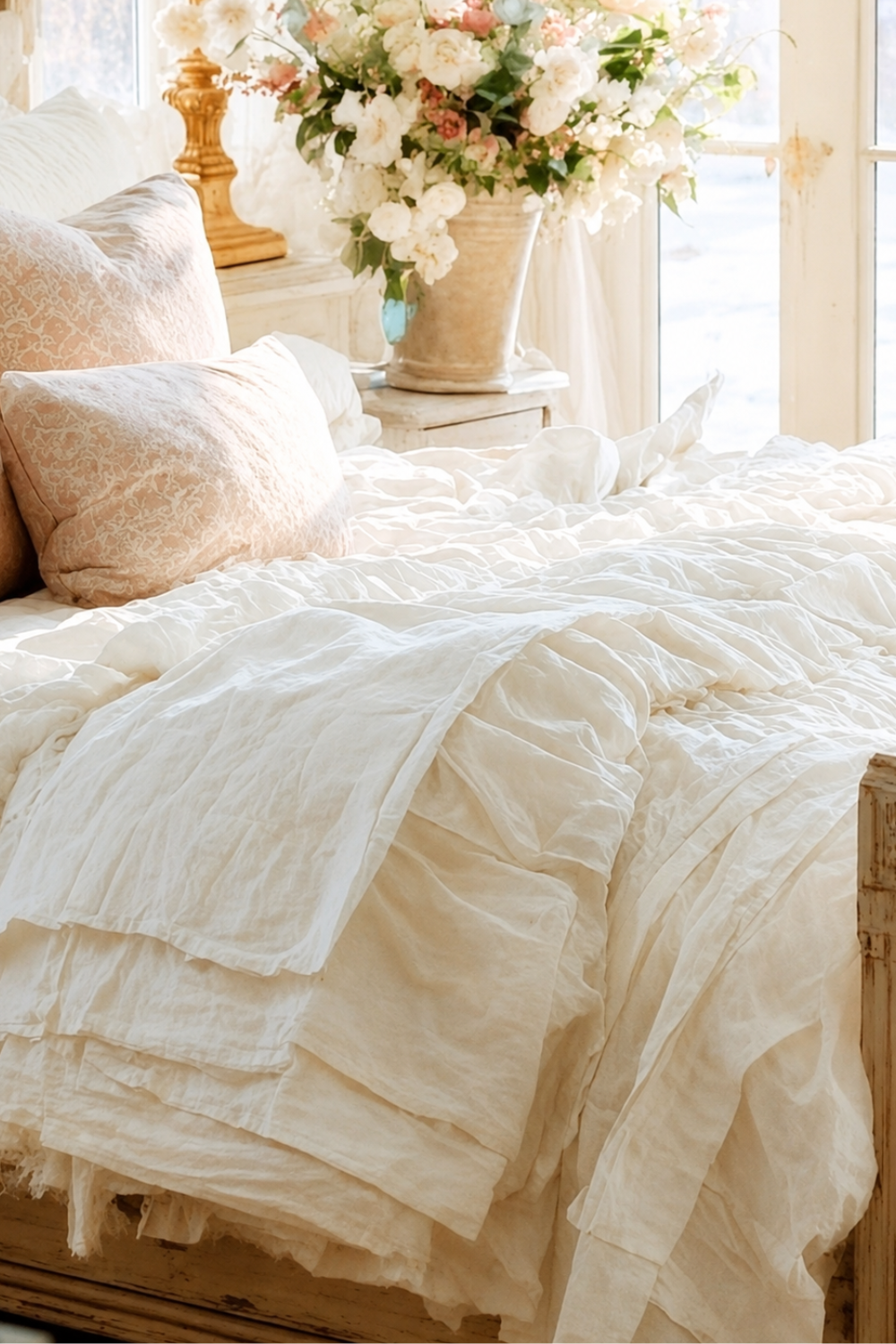
Linen is one of the defining textiles of the South of France. Its relaxed drape and natural texture bring effortless elegance to both bedrooms and living spaces.
Linen Bedding
Lightweight linen bedding allows rooms to feel airy and relaxed, especially in warm Mediterranean climates.
Shop Linen Duvet Covers:
•👉 Cotton Linen Feel Duvet Set
• Natural Linen Ruffled Duvet Set
Styling Tip: To attain the well-layered linen look, use multiple duvet covers. To add a luxurious, plush feeling to the duvet covers, fill one with multiple duvet inserts.
Shop Linen Sheets:
•👉 Washed Flax Linen Sheets
• French Linen Cooling Sheets
Shop Toile Pillow Shams:
•👉 Dusty Pink and Cream Toile Pillow Shams:
Shop Linen Bedskirts:
•👉 French Linen Bedskirt
• Belgian Linen Ruffled Bedskirt
Shop Linen Drapery:
• 👉 Pinch Pleat Ivory Linen Drapery
• Sage Green Toile Drapes
• Cream Lace Curtains with Floral Detail
Courtyards & Terrace Dining
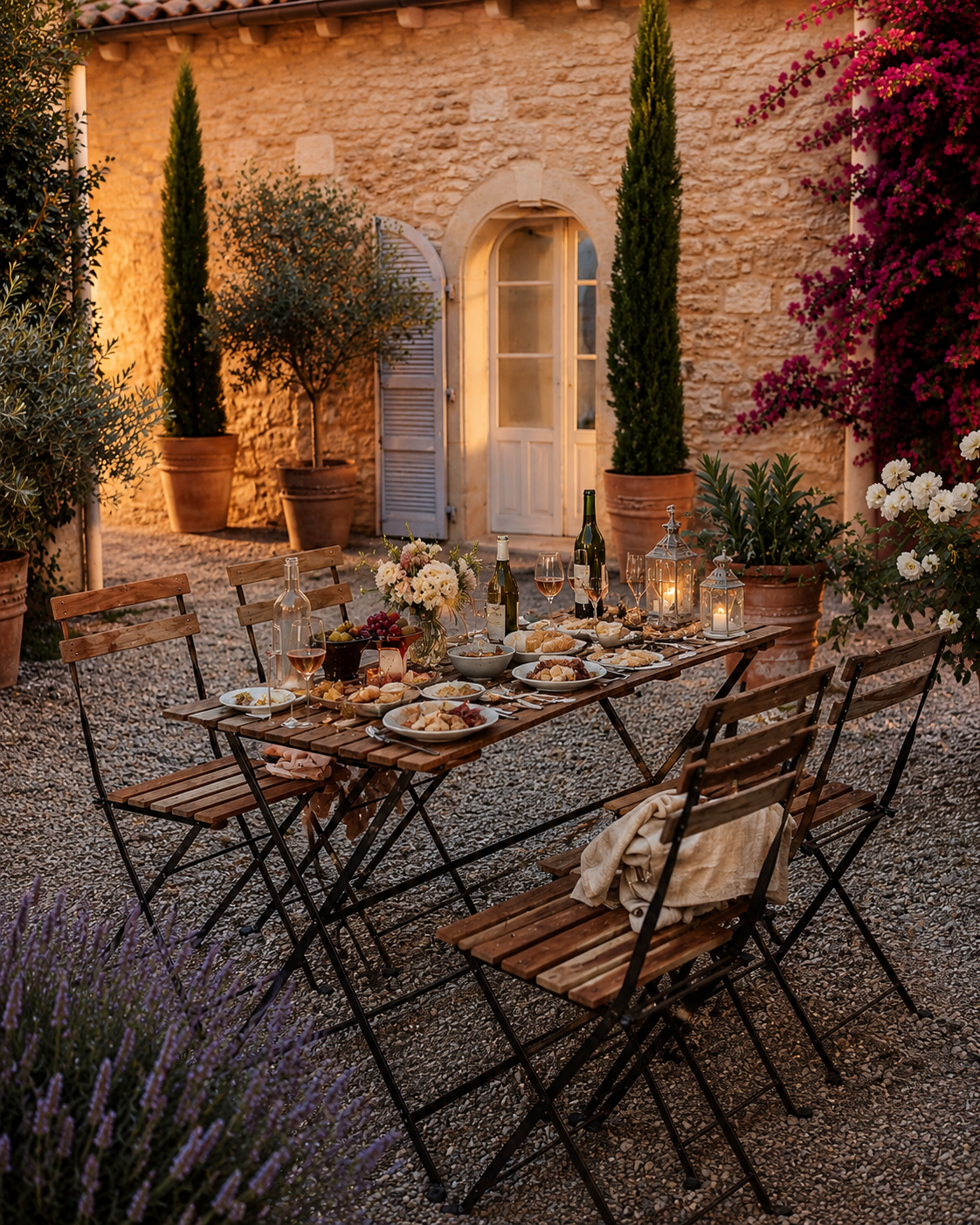
Fine dining or casual snacks by the fire can all happen al fresco in the Provencal sensibility.
Shop Courtyard Dining Sets
•👉 Wooden Slat Table and Chair Set
• Outdoor French Country Woven Bistro Set
Linen Curtains & Tablecloths
Soft linen drapery and simple table linens create understated beauty while filtering natural light.
Shop Table Linens:
•👉 Pure Linen Hemstitch Tablecloth
• Floral French Tablecloth
• Vintage Lace Tablecloth
Rustic French Pottery
Stoneware crocks, pitchers, and bowls add subtle character to kitchens and dining rooms.
Shop Rustic Crockery Here :
•👉 Stoneware Dinnerware Set in Green
• Lenox Perle French Lace Dishware
• Elegant Blue and White Dinner Set
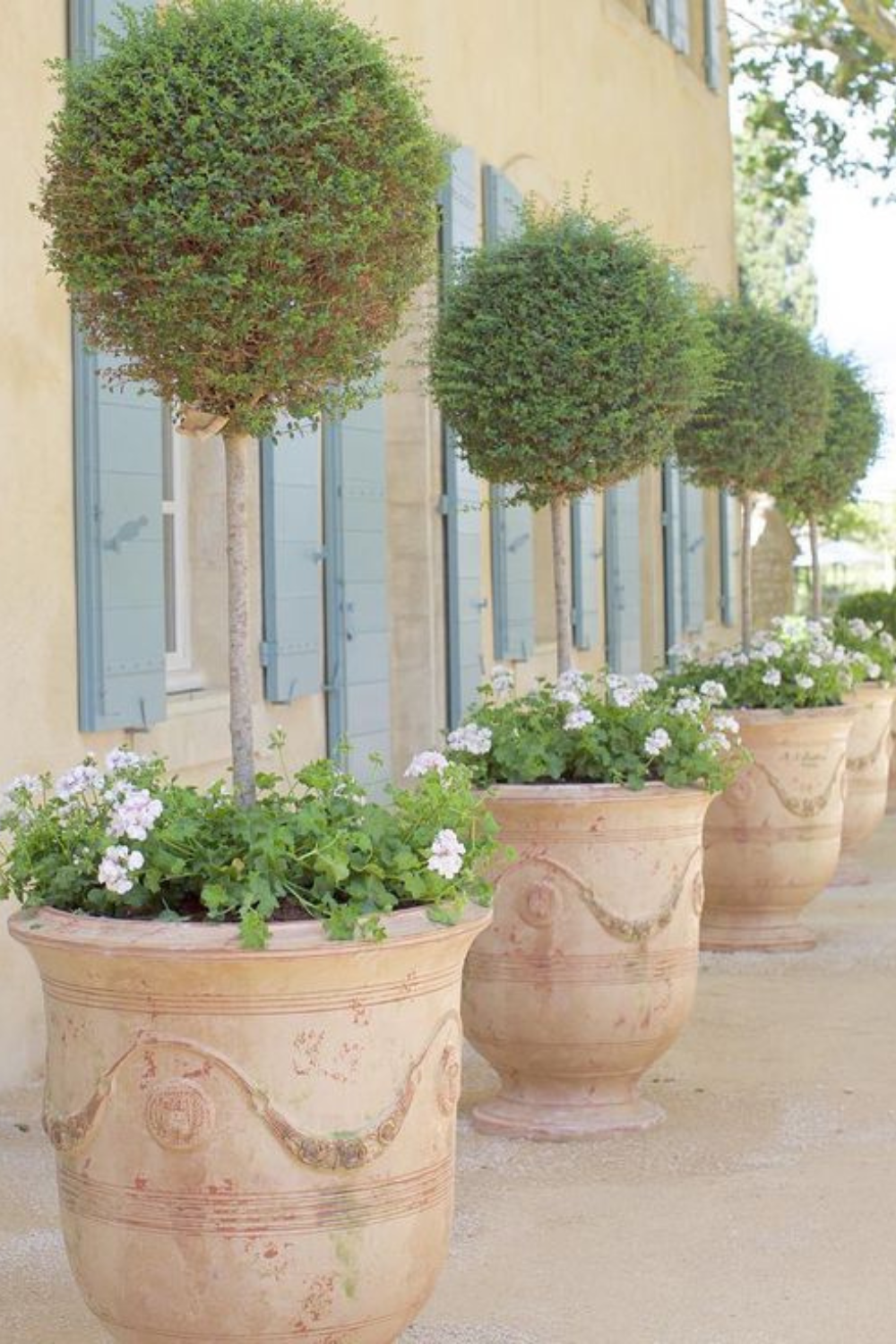
Terracotta Pottery and Stone Urns
Provençal homes often feature handmade pottery and terracotta vessels that introduce earthy color and texture.
Terracotta Planters and Stone Urns
Classic terracotta pots bring warmth and authenticity to patios, windowsills, and garden spaces.
Shop Terracotta Planters and Stone Urns Here:
•👉 Large French Provincial Terracotta Pot
• Small Terracotta Planter
• French Stone Urn Planter
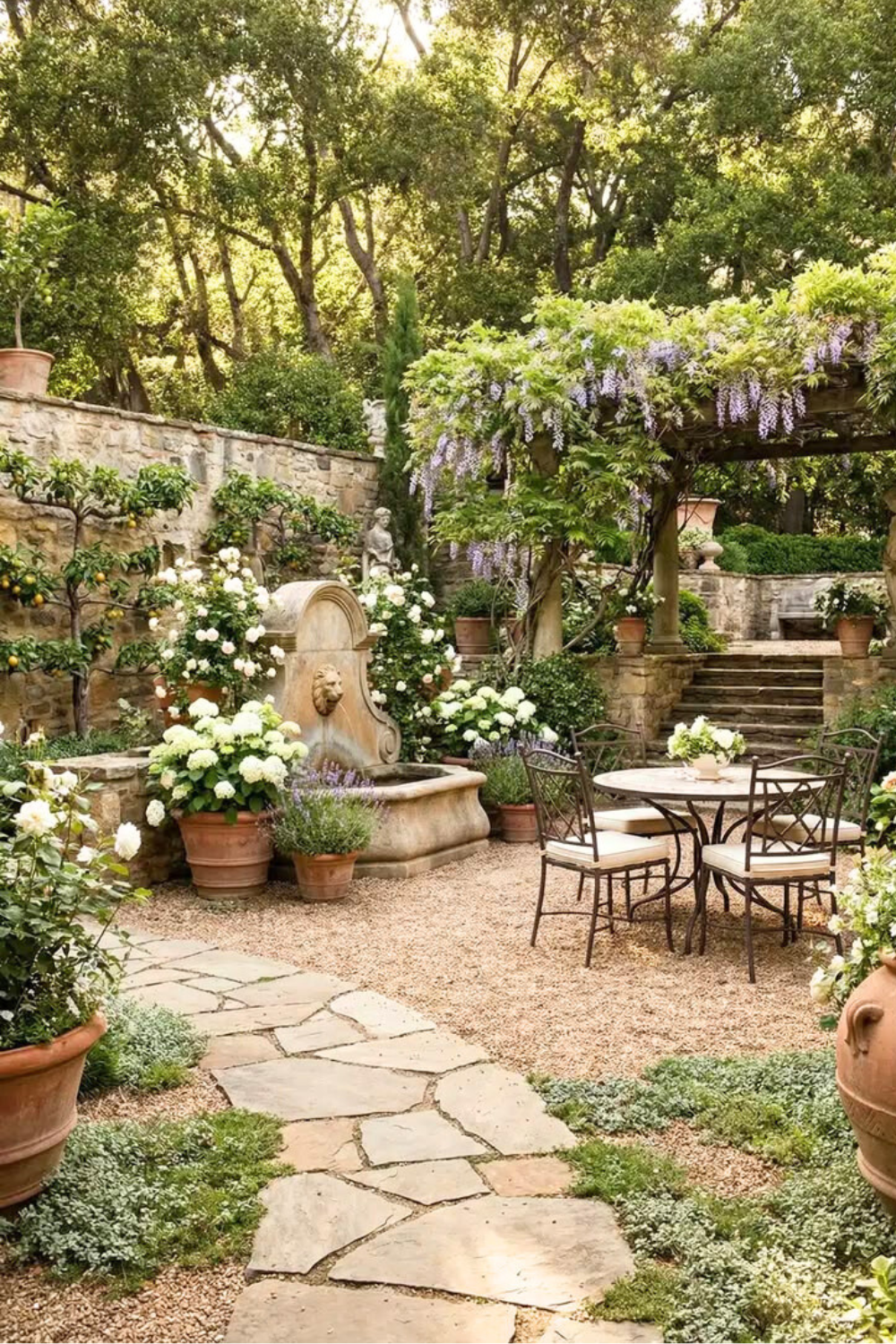
Stone Courtyard Fountains
Shop Stone Courtyard Fountains and Bird Baths Here:
• 👉 Classic Provencal Fountain in Travertine Finish
• Classic Oval Concrete BirdBath
Pergolas & Garden Shade
Pergolas covered in vines or climbing roses create natural shade while adding architectural elegance to garden spaces.
Shop Garden Pergolas Here:
• 👉 Wooden 10 × 12 Pergola
• Cedar Wooden Pergola with Trellis
Lantern Lighting & Evening Ambience
Evenings in the South of France are defined by warm lantern light, outdoor dining, and soft illumination reflecting against stone walls.
Shop Hanging Lanterns Here:
• 👉 Three Light Pendant Lantern
• Three Light Seeded Glass Lantern
The Enduring Beauty of Provençal Homes
The charm of homes in the South of France lies in their effortless balance between house and garden. Sun-washed walls, natural materials, and surrounding greenery create spaces that feel both relaxed and timeless.
When shaped with stone, linen, terracotta, and garden life, these homes become places where daily routines slow and beauty emerges through simplicity.
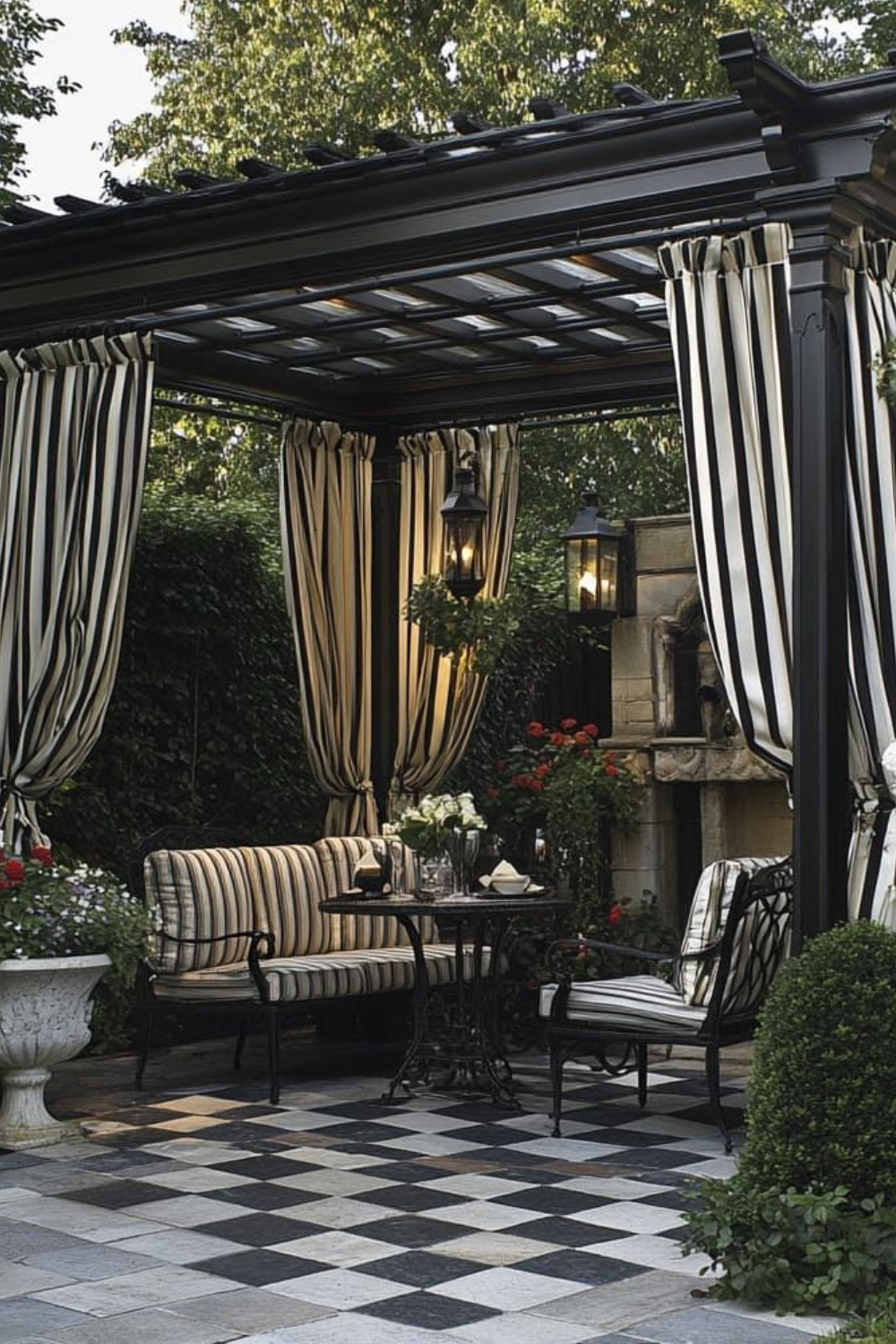
European Patio Style with Timeless Courtyard Charm
This post contains affiliate links. As an Amazon Associate, I earn from qualifying purchases at no additional cost to you.
Prefer the fully realized courtyard?
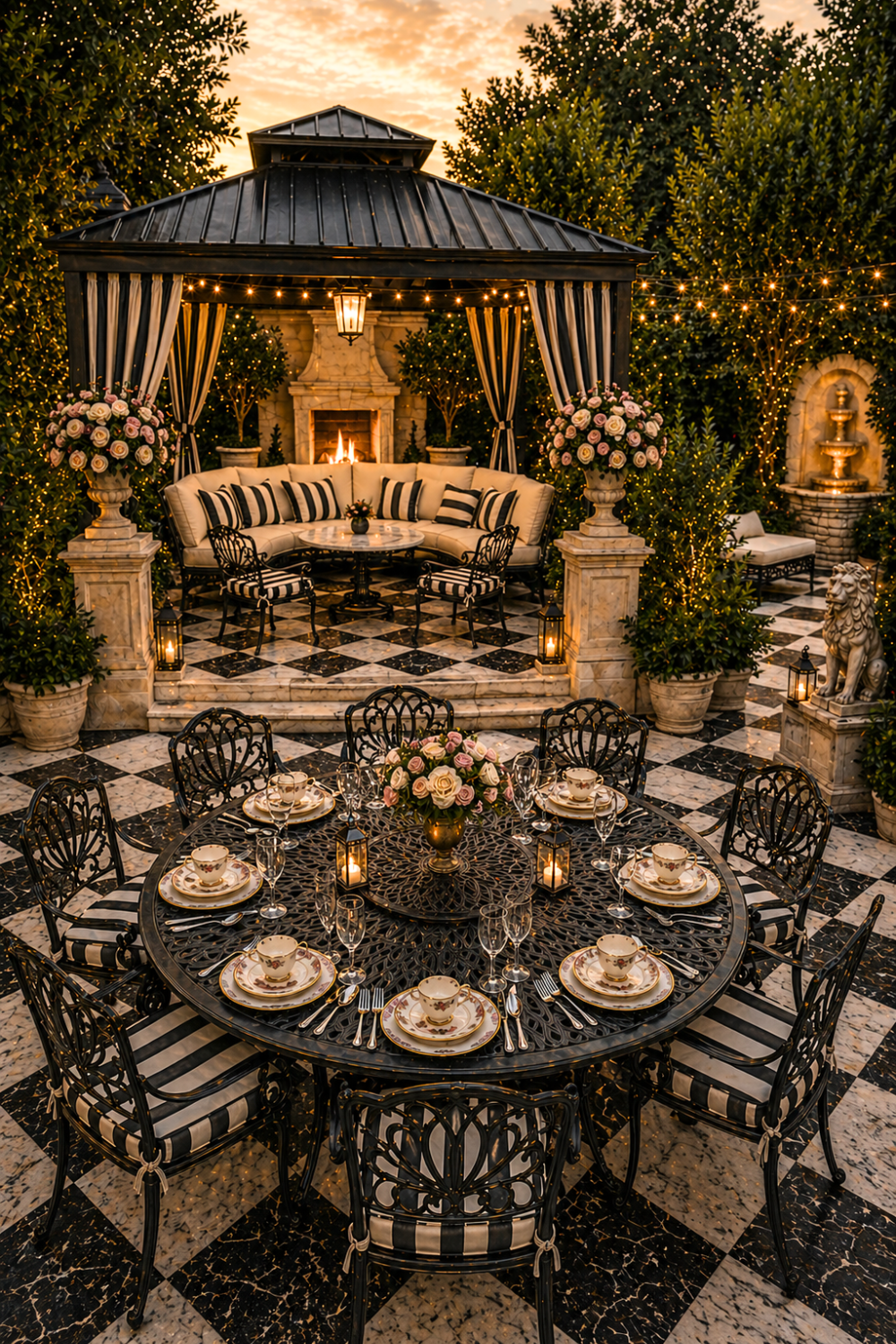
A Fully Realized Parisian Courtyard — Designed Step by Step
Design a courtyard that feels complete, intentional, and quietly luxurious—without the guesswork.
Inside the guide:
• A complete, fully realized courtyard design
• A refined mid-range interpretation
• A simplified foundation using essential pieces
👉 Instant download · 39-page premium guide · Fully shoppable layout
Prefer to build it piece by piece? Let’s start with the essential foundation below.
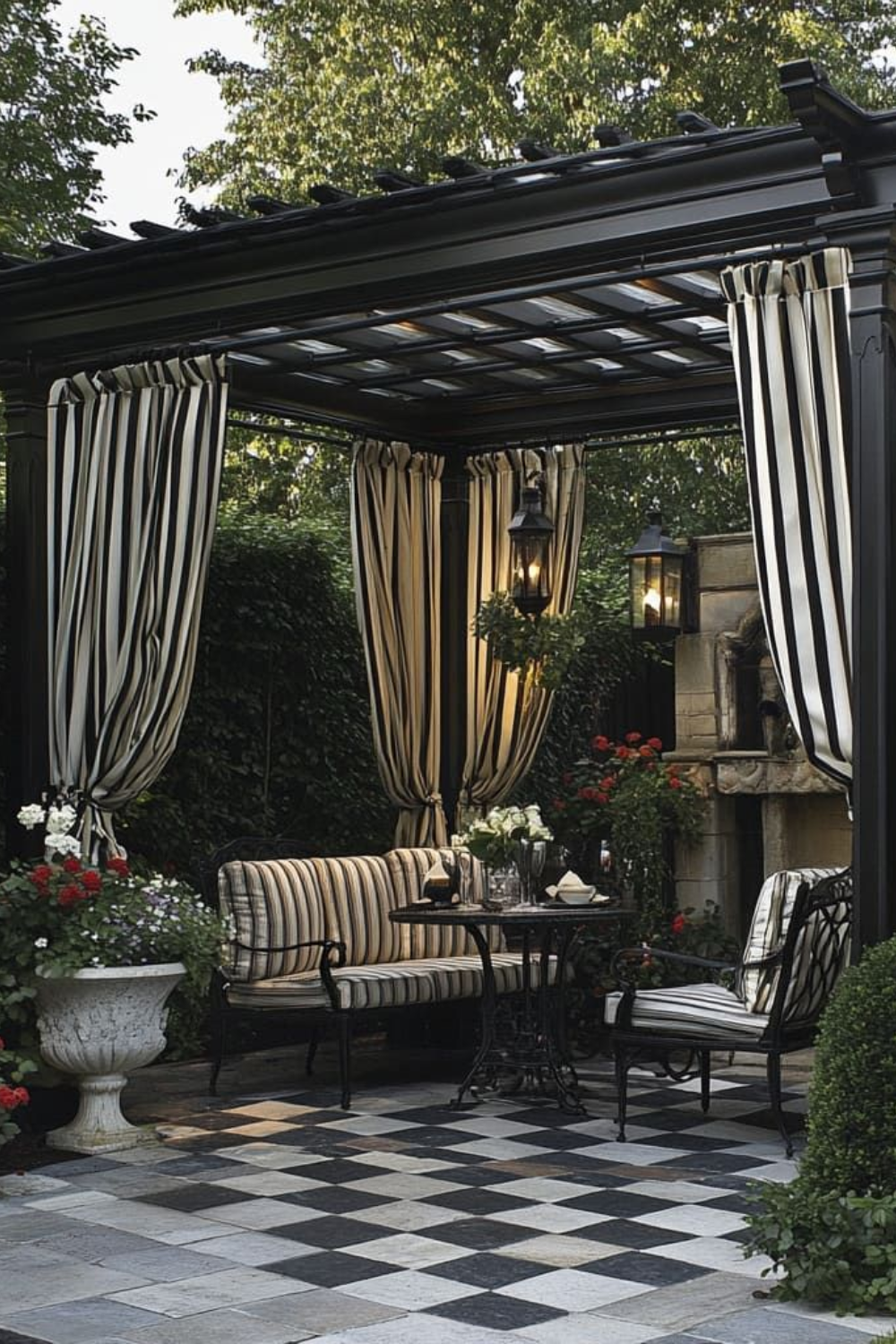
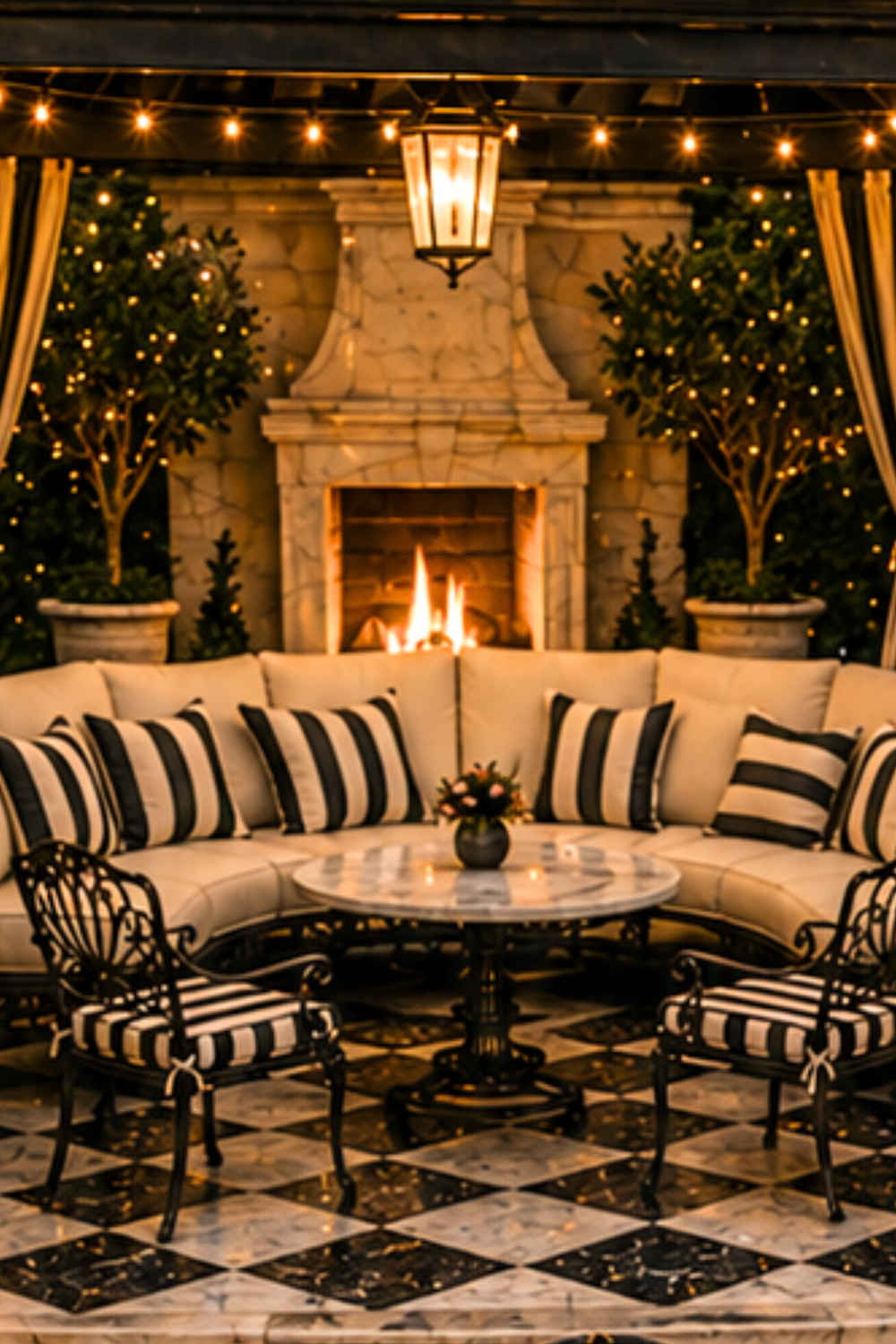
To begin with, a Parisian inspired courtyard feels like sophistication, structured beauty and elegant evenings together. Think it’s impossible to create this fantasy set up in your own yard? Think again! Below is a curated list of options for you ranging from High End Level investment to Entry Level detail.
Whichever best suits your vision, the most important thing to know is that it is possible!
Let’s get started!
To Recreate this European Courtyard
Start with the foundation: Black and white flooring to set the tone.
SHOP Black and White Flooring:
👉 Black and White Porcelain Floor Tile
Black and White Patterned Outdoor Rug
Next, consider the STRUCTURE. Whether you choose a trellis pergola or an intimate gazebo, think black to achieve the sophistication of the Parisian courtyard setting. For entry level — consider a beautiful scalloped edged, striped umbrella.
SHOP Black Outdoor Structure:
👉 Black 10 × 10 Garden Gazebo
Scalloped Edge Stripe Umbrella
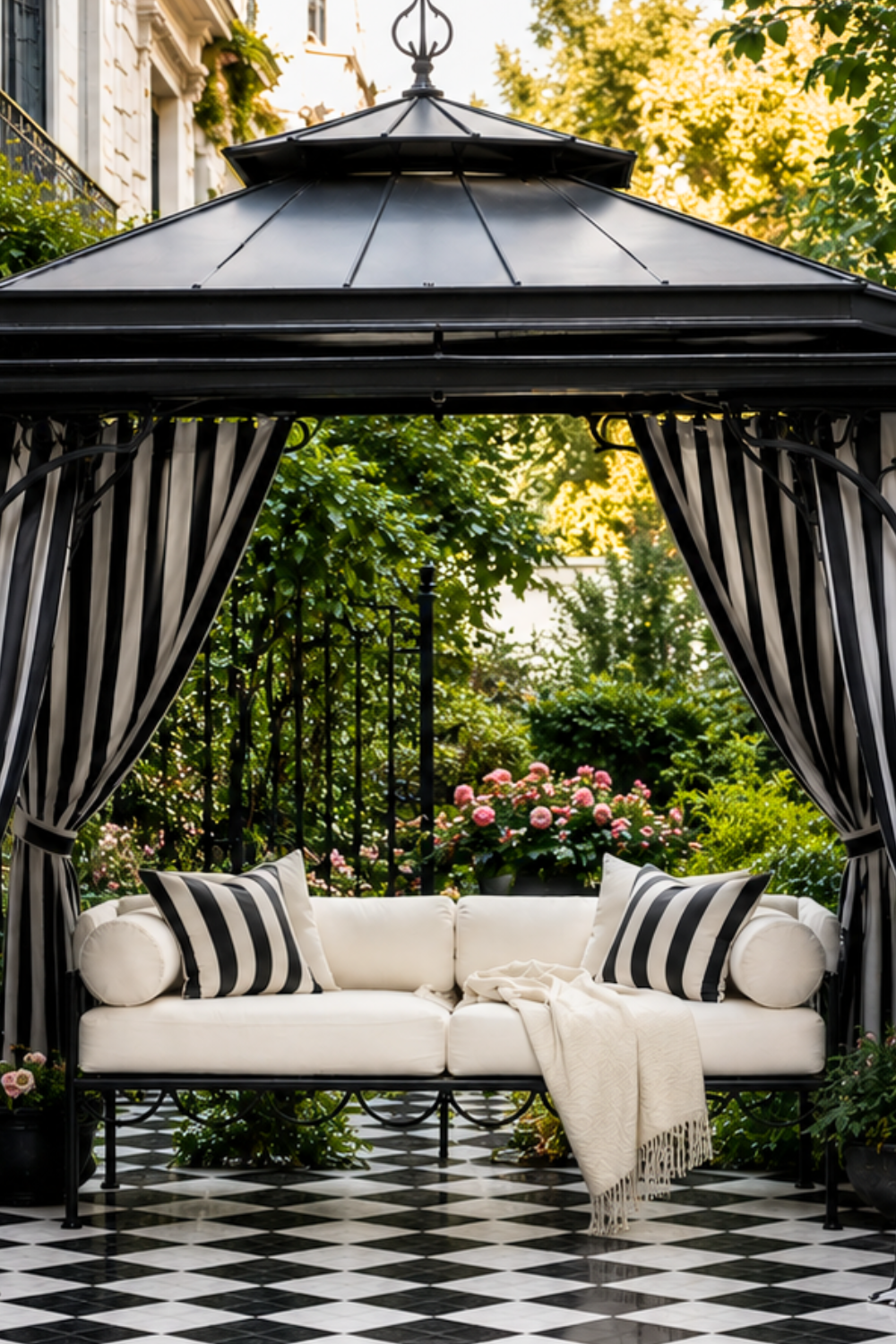
Classic Wrought Iron Seating
To create an intimate, European seating moment, metal outdoor furniture offers romantic lines and timeless, old world appeal.
Shop Metal Outdoor Conversation Sets
👉 Art Deco Scalloped Loveseat
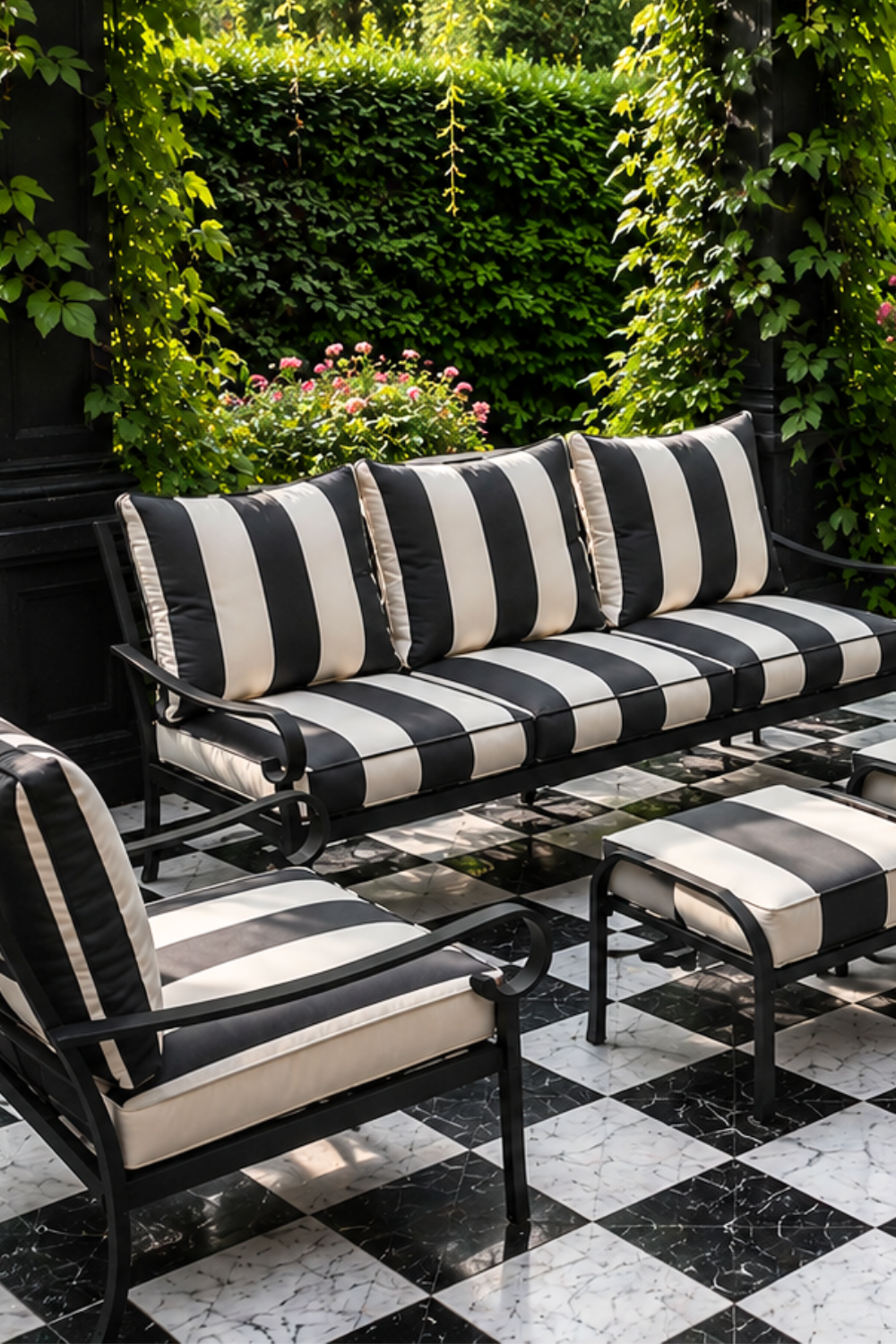
Striped Outdoor Cushions
Once you’ve chosen your outdoor seating, introduce soft contrast and a signature European stripe. Do this with the use of full stripe seating cushions OR black and white stripe throw pillows over neutral cushions.
Shop Black and White Stripe Cushions & Throw Pillows
👉 European Stripe Seat Cushions
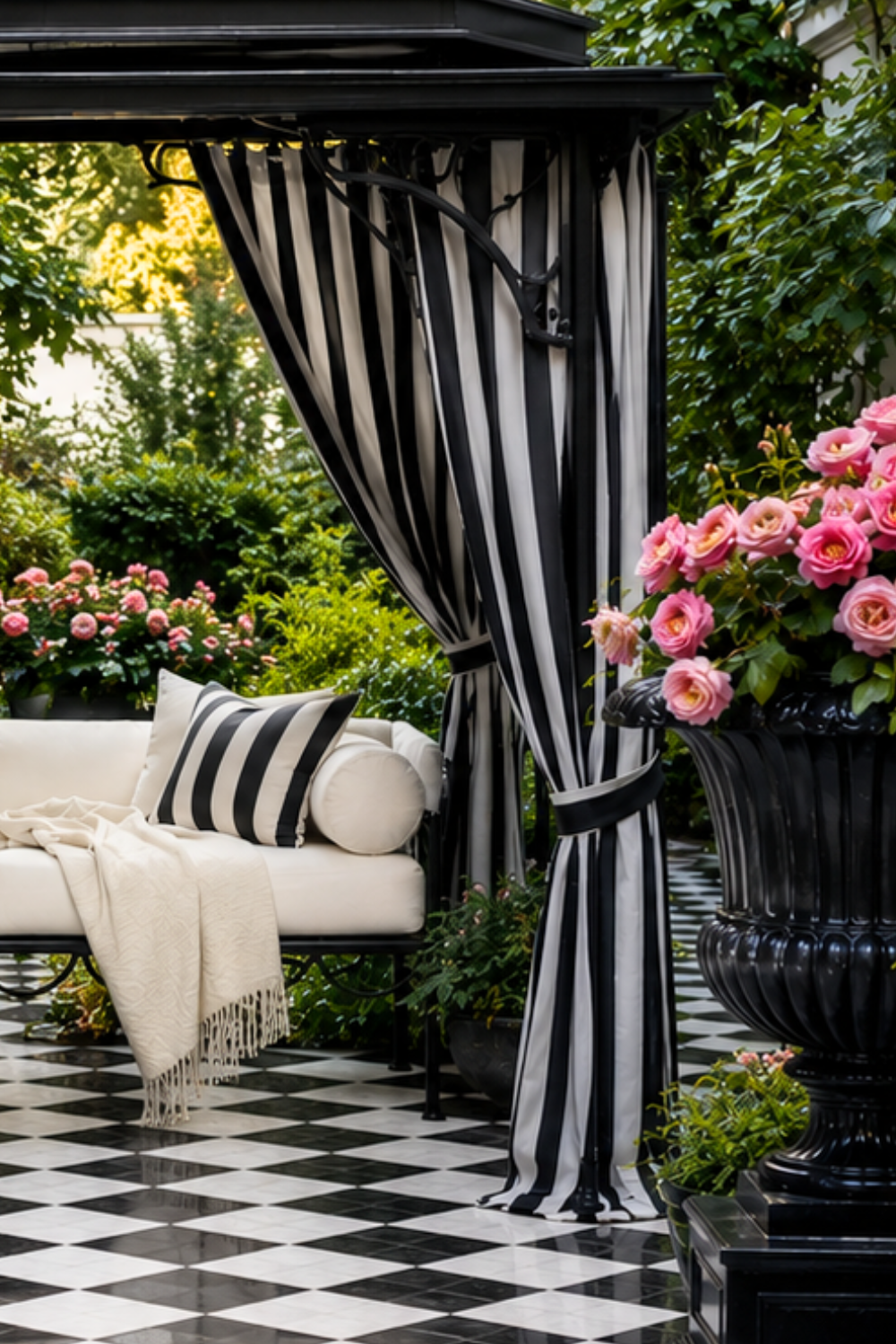
The Striped Drape
Continue the European stripe through the space by adding soft, striped drapery to your structure for privacy and romance.
Shop the Drapes
👉 Pinch Pleat Washable Stripe Drapes
Styling Tip: Order a few inches longer than you need, use a black tie of your choice and pull the top pleats to their fullness through the tie.
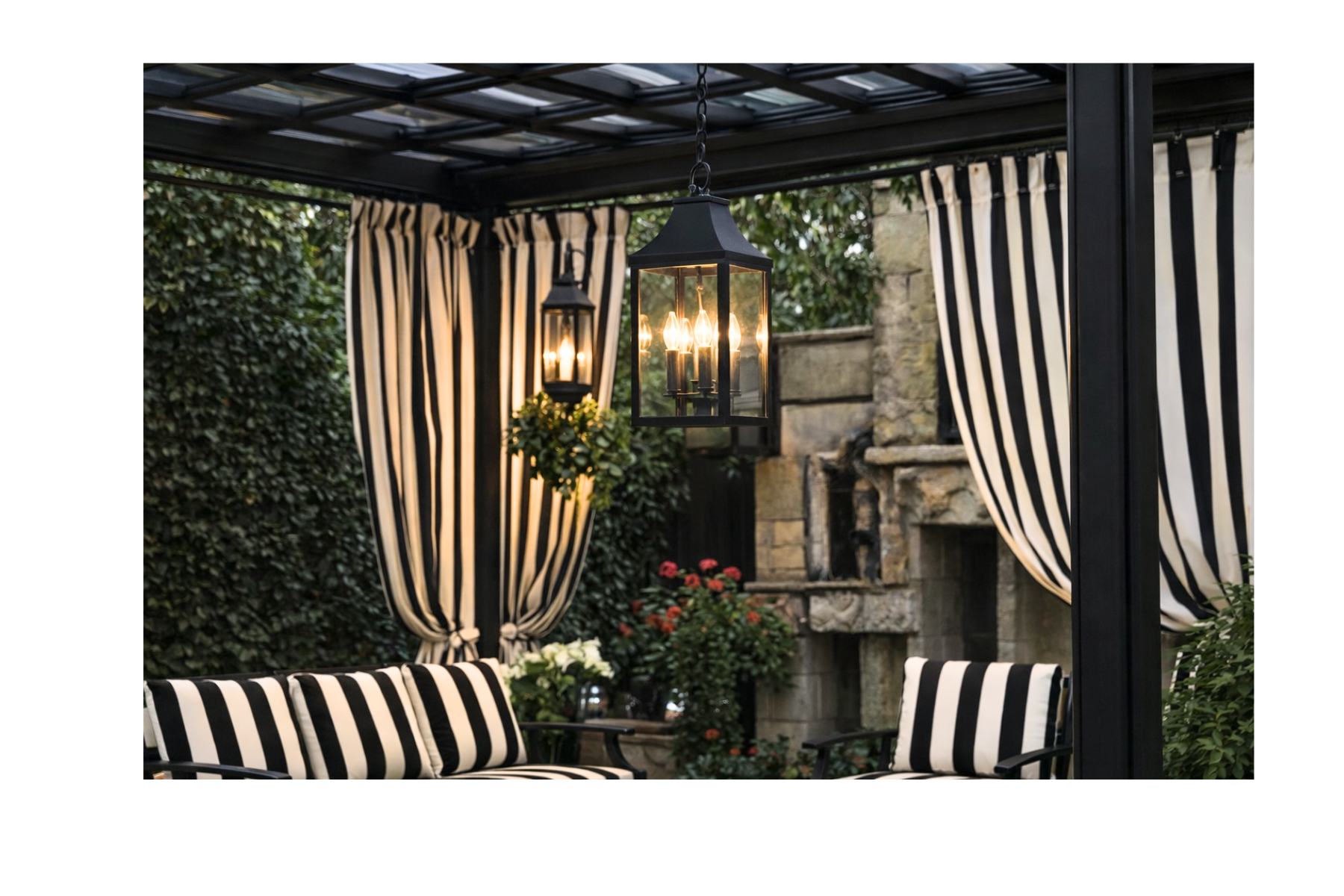
Classic Outdoor Lantern Lighting
Every courtyard garden requires lanterns to achieve the evening glow that keeps conversations lasting into the night.
👉 4 Light Seeded Glass Lantern
Courtyard Dining
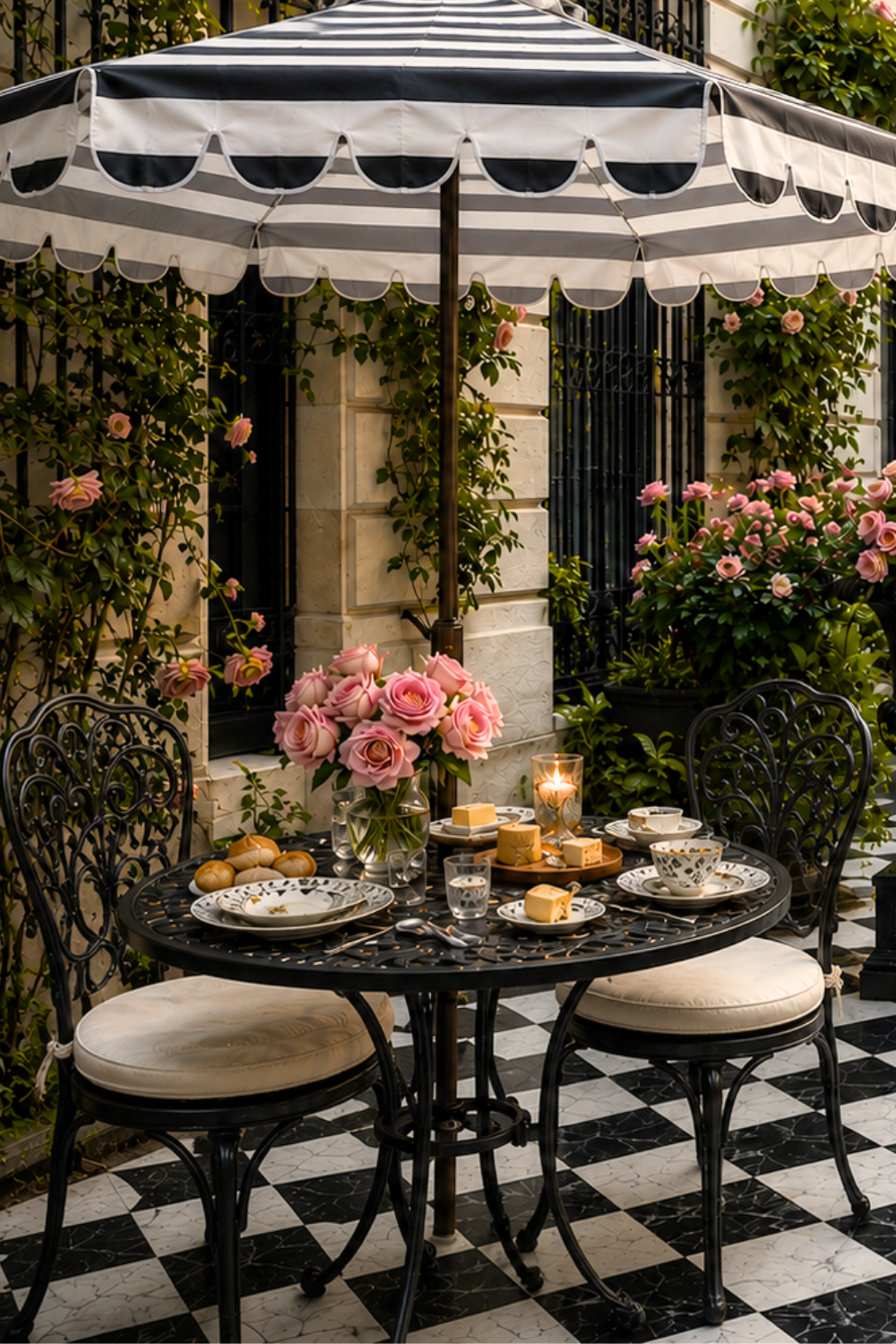
Whether an elaborate summer evening for five, or an intimate party of two — courtyard dining is absolutely achievable at any investment level — and will transform your dining experience.
Shop Wrought Iron Dining Sets (Classic European dining tables create the perfect setting for outdoor meals)
Striped Umbrellas
Adding structure to your courtyard is not limited to pergolas and gazebos only. For added romance and practical shade, the striped umbrella allows your Parisian courtyard to be both enchanting and useful.
Shop Striped Umbrellas
READ BELOW - For a complete Dining Setting for Large Summer Evenings
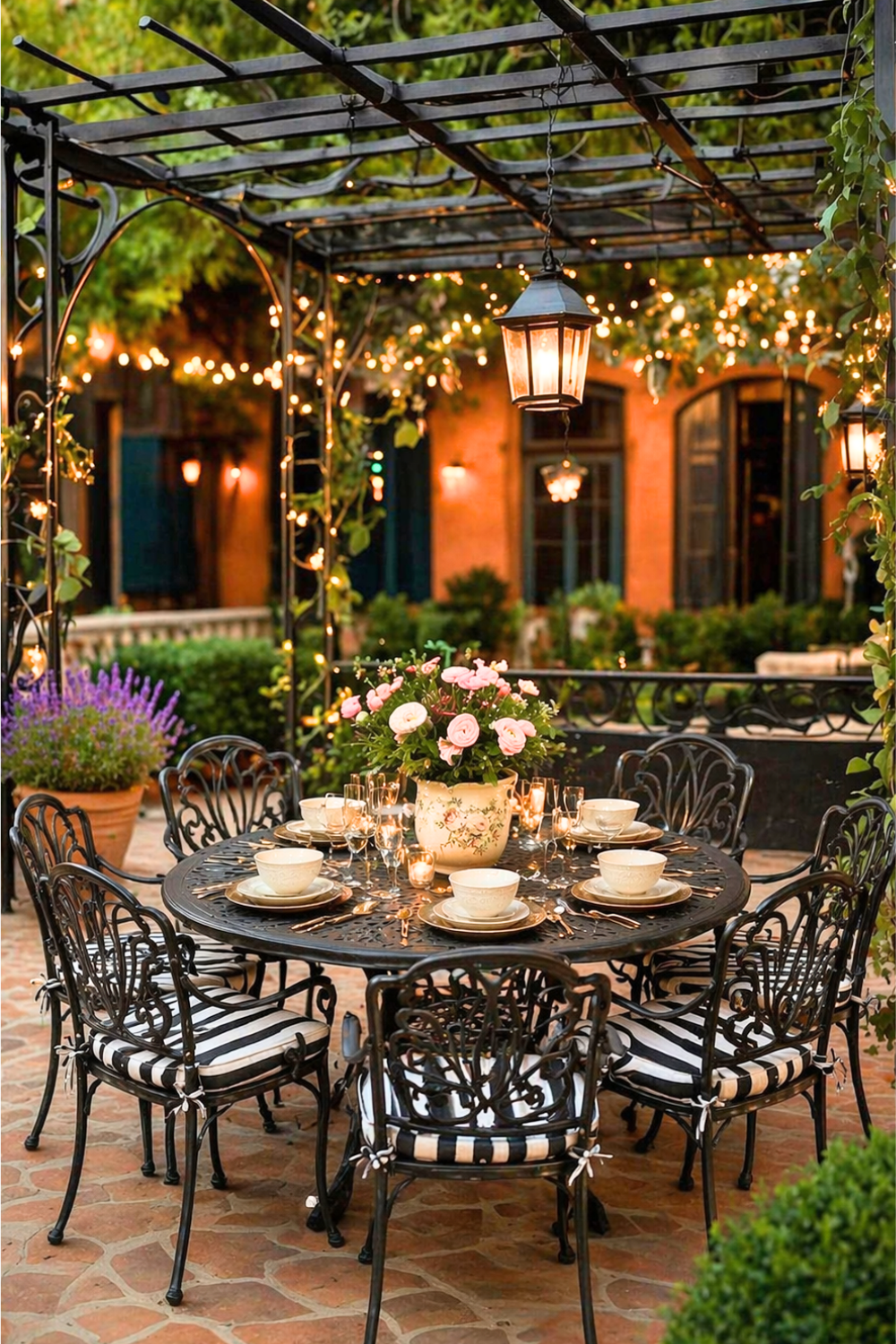
TRY THIS LOOK — For a more inclusive outdoor dining experience with a rustic flair
💫Recreate This Romantic Outdoor Dining Experience:
Planters & Greenery
Do not forget to add the final touches of layered greenery and stone urn planters.
Shop European garden planters ( for added detail and color)
Styling tip: Cluster in groups of 3 for a collected courtyard look.
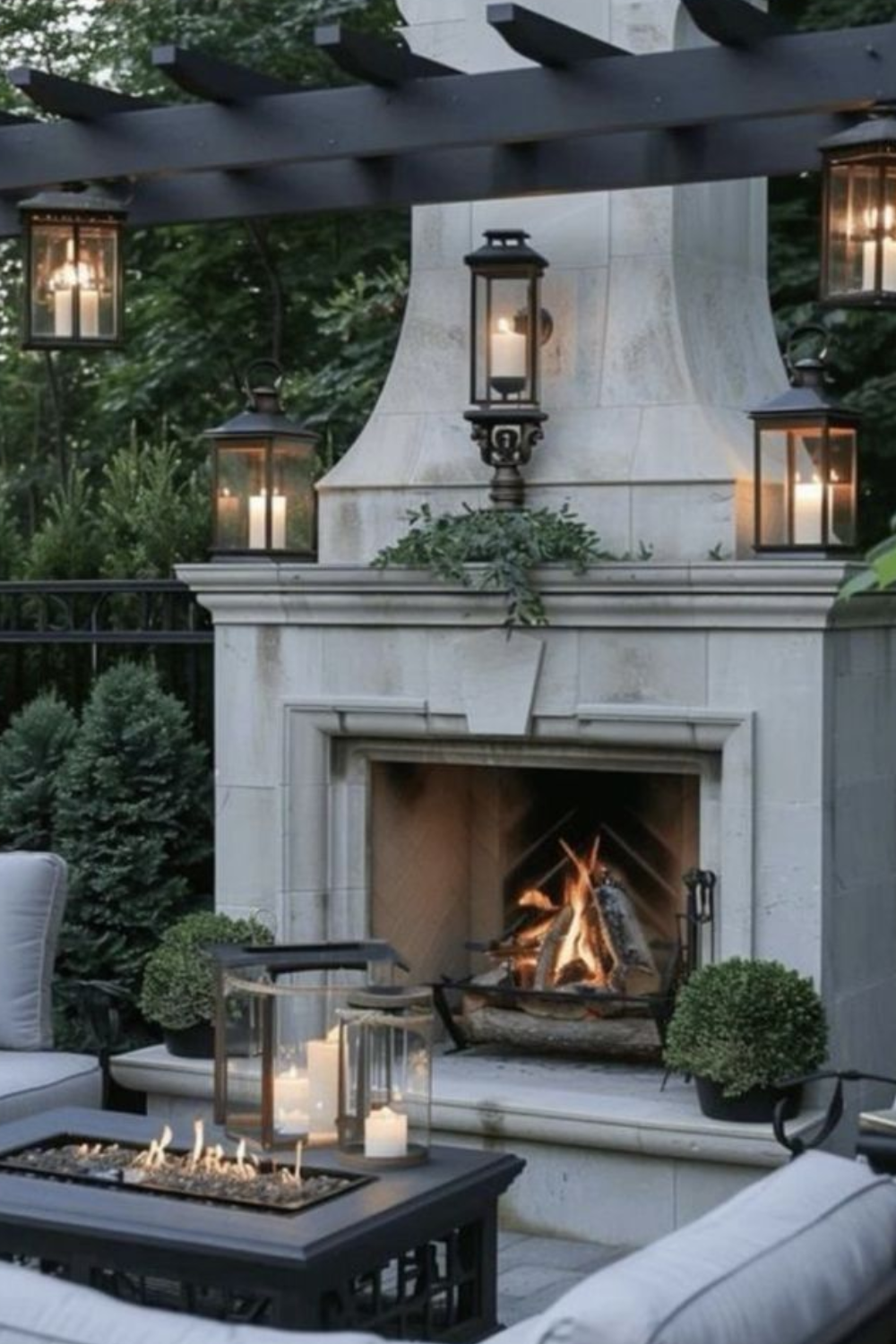
Fire Feature
Finish the Parisian Courtyard Feel with the all important warmth of firelight.
Shop Outdoor Fire Features (To add warmth and extend the use of outdoor spaces into the evening)
Want more detail, direction and clarification for your perfect Parisian patio set up? Get the help you need from high end to entry level investment in a 39 page shoppable guide here to make your dream come true!
👉 Get the 39 page Parisian Courtyard Guide download here!
Is your aesthetic warmer? Perhaps the Southern France Provencal feel is for you! Shop the Southern France Aesthetic below!
🌿Southern France Aesthetic 🌿
There is a quiet romance to the gardens of Southern France — an effortless elegance shaped by sunlight, stone, and time. These spaces are not overly styled, but gently gathered: weathered wood tables beneath climbing greenery, soft linen draped over chairs, and the warm glow of lantern light as evening settles in.
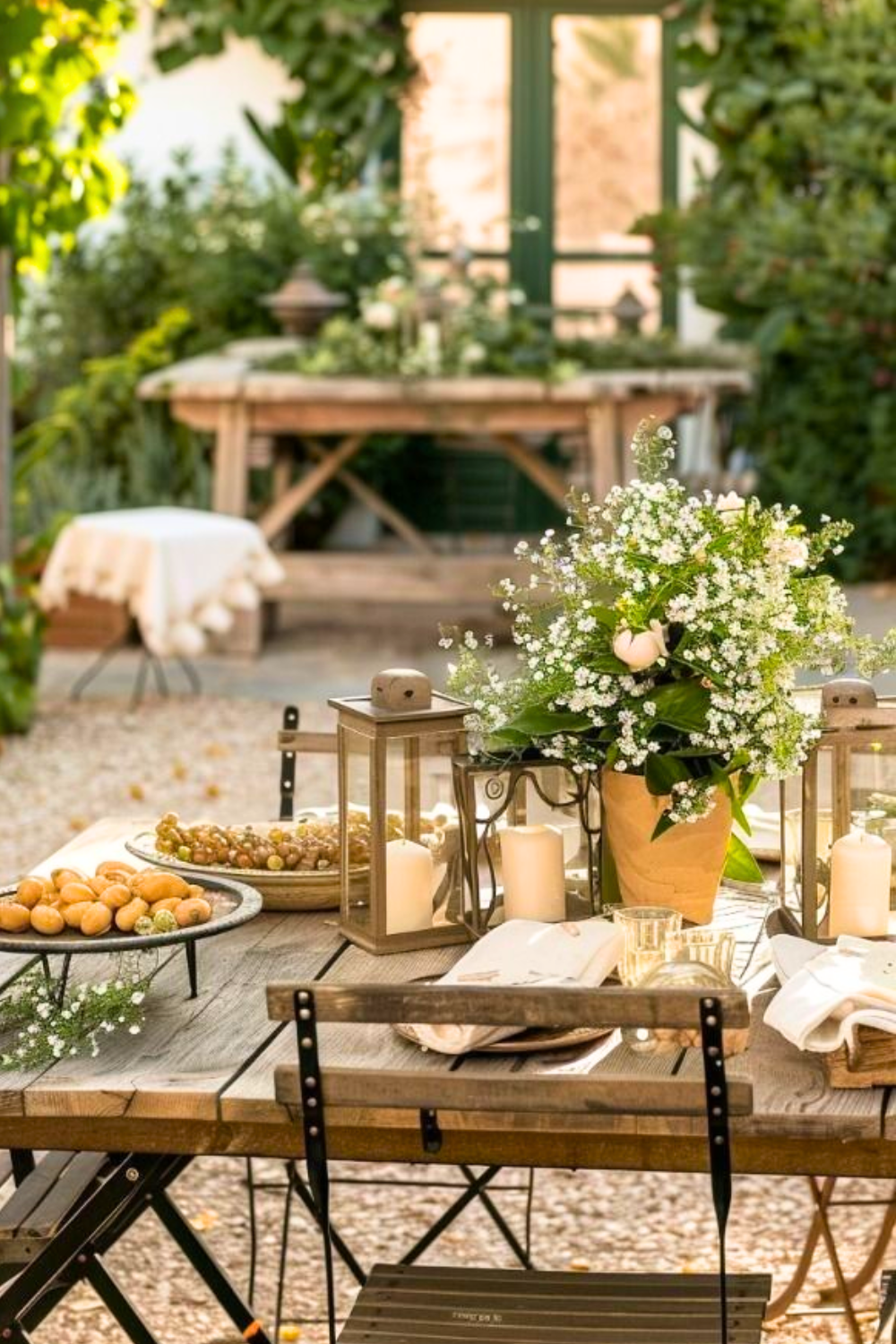
Shop Southern France Garden Patio Style
This aesthetic embraces imperfection — faded finishes, relaxed arrangements, and natural textures that feel lived-in rather than designed. It is less about symmetry and more about atmosphere — a place where beauty unfolds slowly, inviting you to linger just a little longer.
Shop Rustic Wood Tables - Weathered wood tables anchor the space with warmth and authenticity.
Shop Soft Linen Textiles (Lightweight linens for movement and softness)
Shop Garden Florals ( bring life to the table)
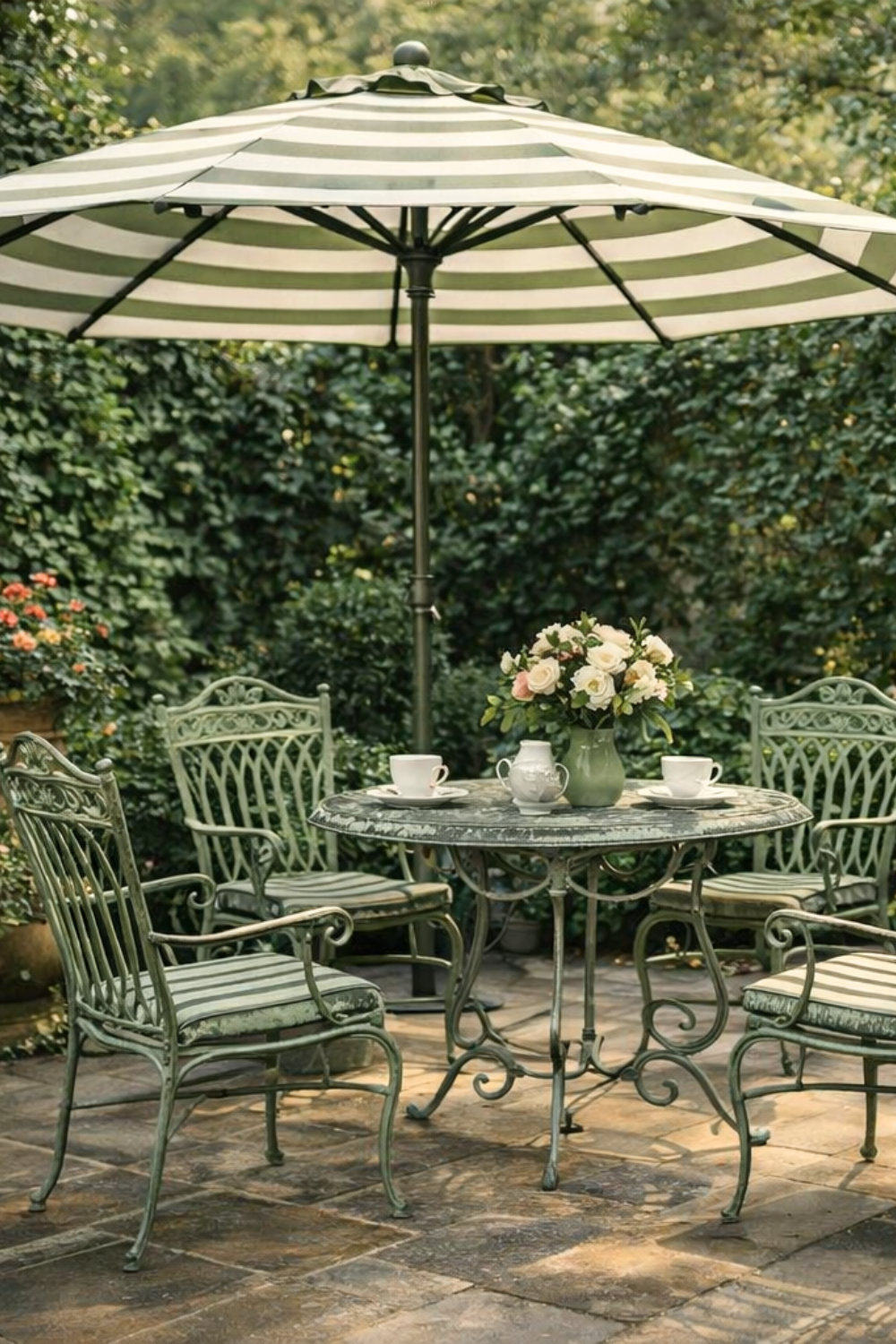
Bring this Look Together
A timeless European patio is built through layering — furniture, greenery, and soft lighting.
Shop Outdoor Lighting
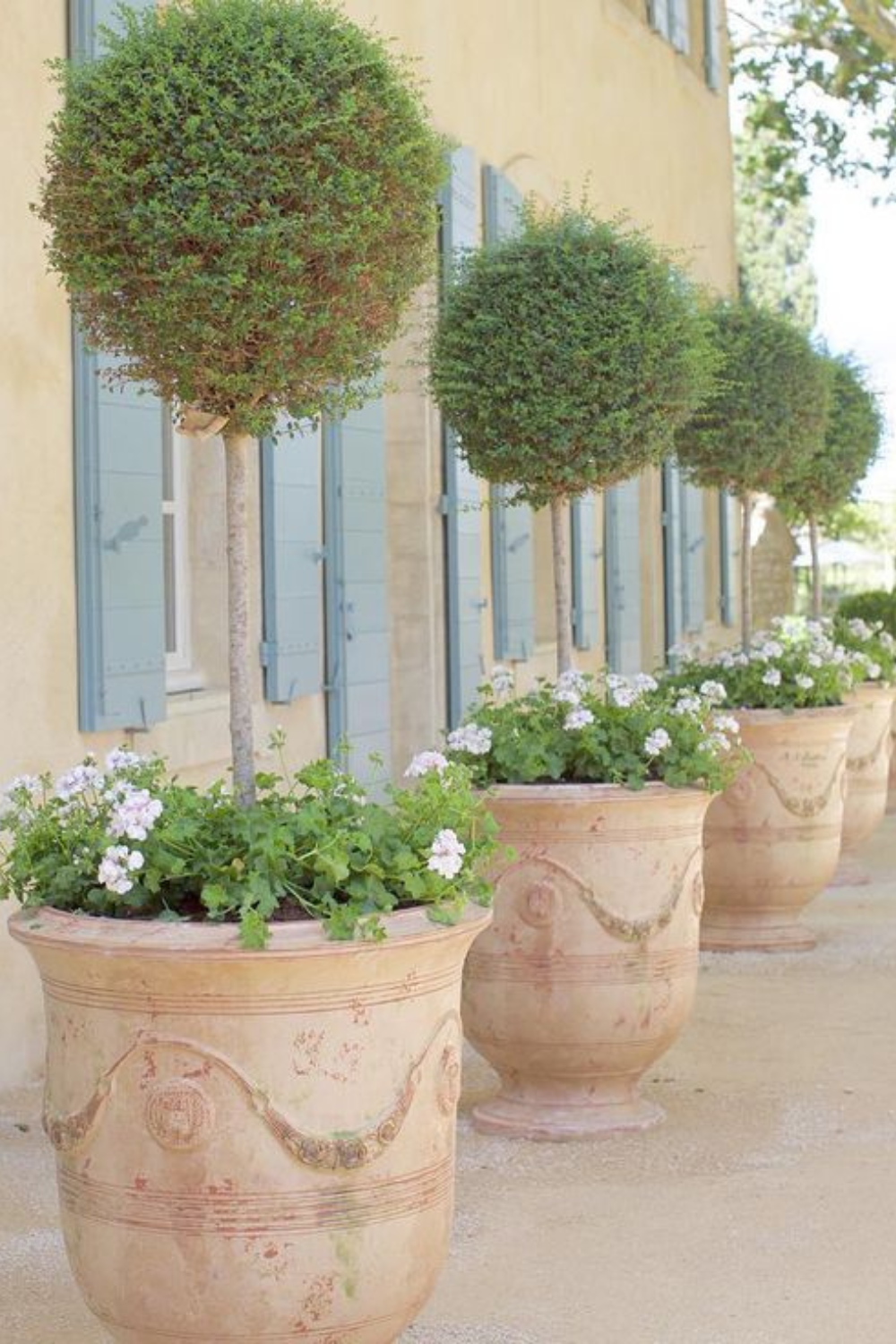
Shop Terracotta Pots ( brings unmistakable sun-baked charm)
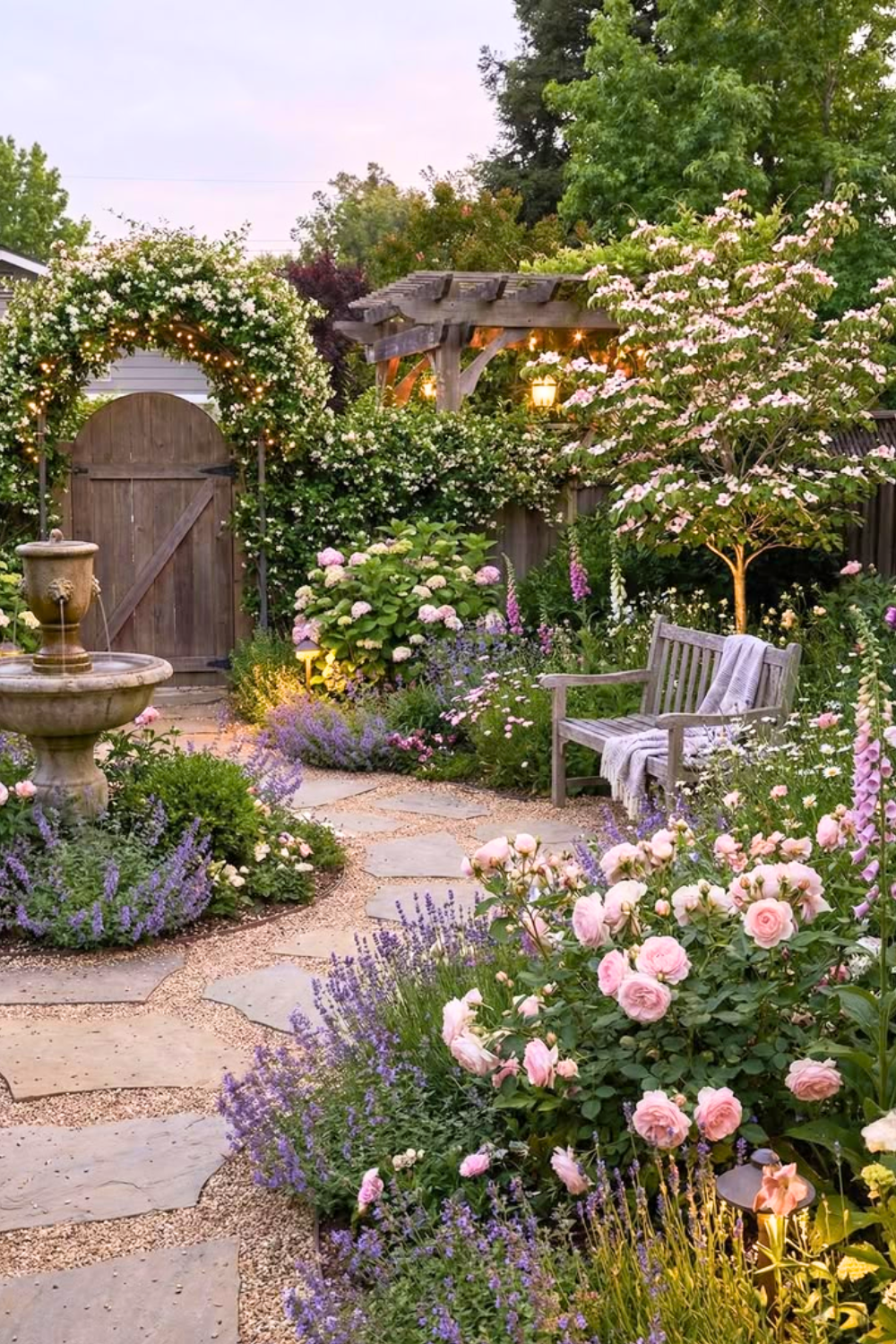
Stone Courtyard Fountains
Shop Stone Courtyard Fountains and Bird Baths here:
👉 Classic Provencal Fountain in Travertine Finish
• Classic Oval Concrete BirdBath
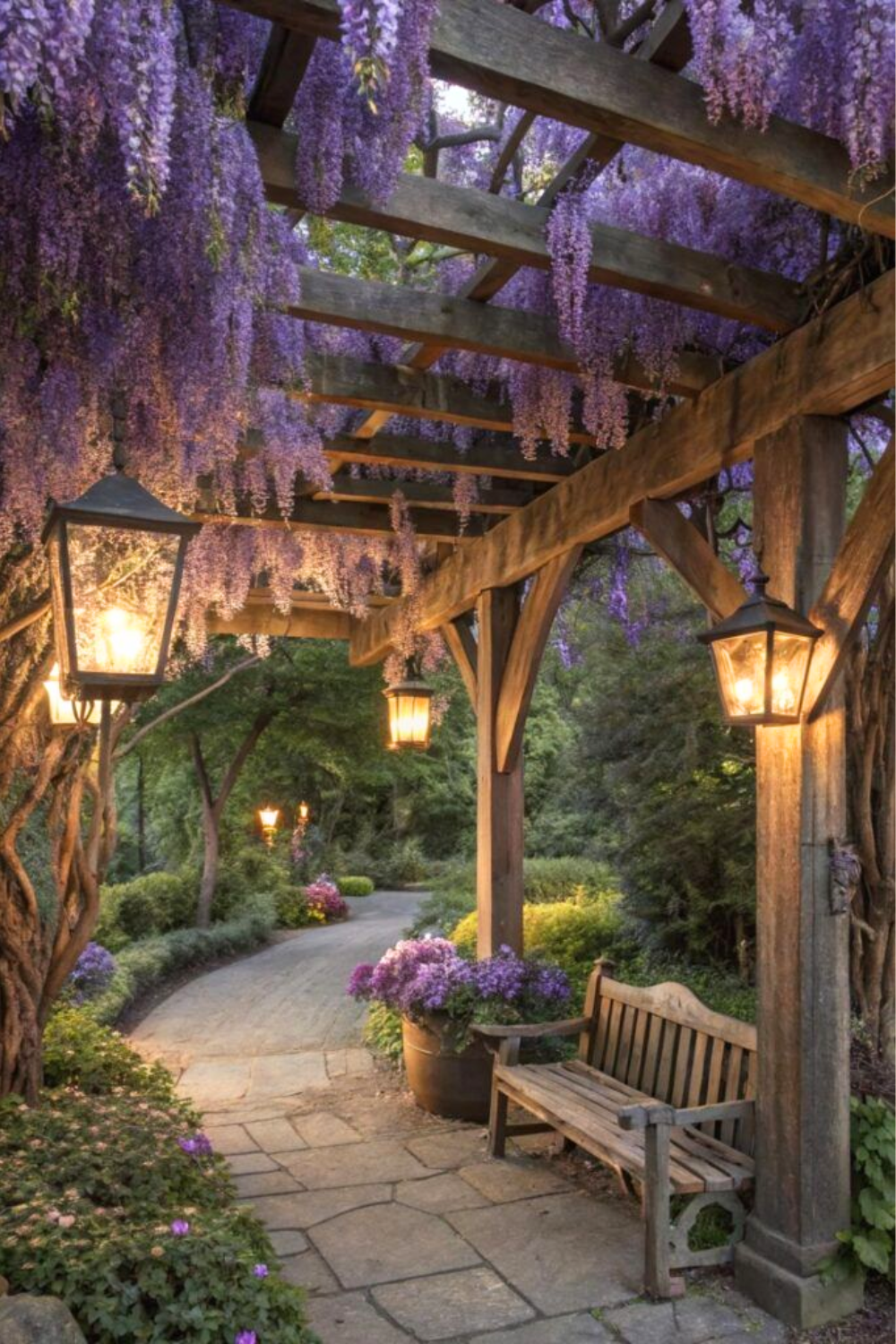
Pergolas & Garden Shade Structures
Shop Classic Wood Pergolas ( brings warmth and structure)
European patios are shaped not by decoration alone but by the quiet dialogue between architecture, garden, and daily life. Stone warmed by sunlight, lanterns glowing beneath pergolas, and vines softening old walls create outdoor spaces that feel both intimate and enduring. When furnished with natural materials and simple, timeless pieces, a courtyard or terrace becomes more than an extension of the home — it becomes a place where meals linger, evenings unfold slowly, and the rhythms of outdoor living feel effortlessly beautiful.
👉 Want more of the Southern France Provencal look? Continue to the next journal entry!
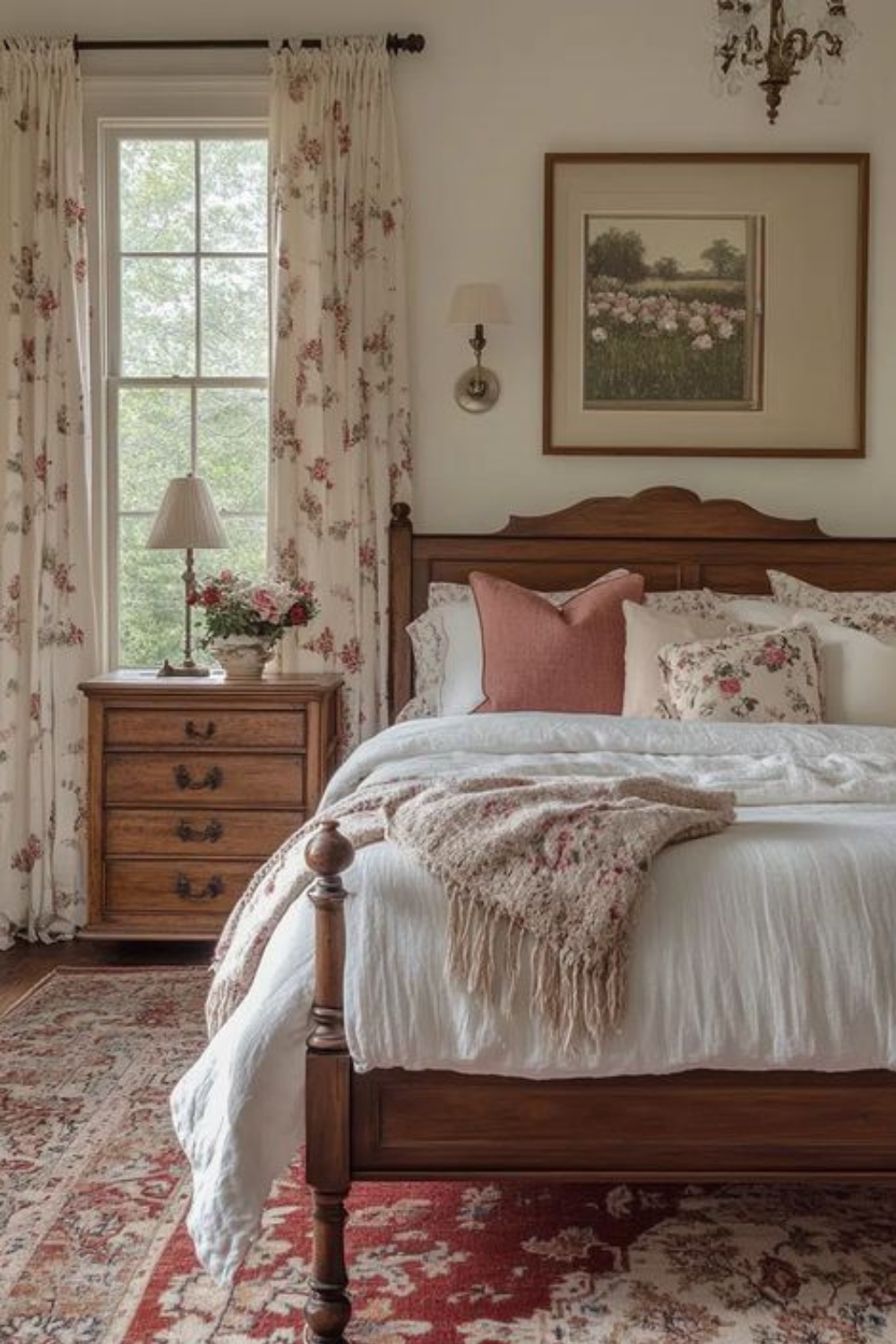
Cozy Cottage Bedrooms with Timeless Charm
This post contains affiliate links. As an Amazon Associate, I earn from qualifying purchases at no additional cost to you.
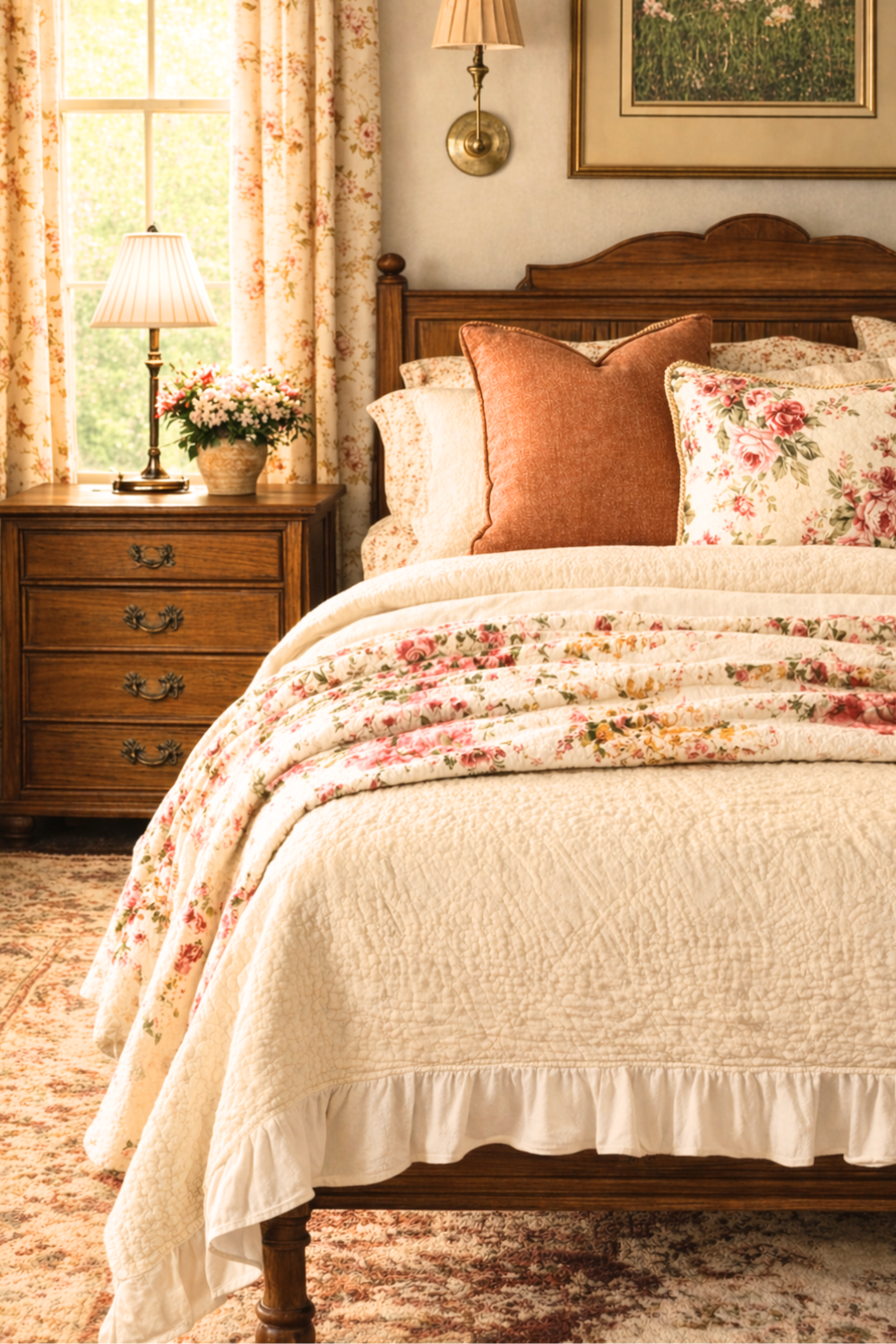
Recreate This Cozy Cottage Bedroom Look
Shop the Exact Pieces to Recreate This Cozy Cottage Bedroom—
While a classic cottage bedroom leans clean and timeless, a more romantic approach layers softness through florals, ruffles, and collected textures.
Layered bedding, natural fabrics, and timeworn details create a space that feels collected rather than styled — a bedroom shaped for rest, not perfection.

🌸Shop all Romantic Cottage Bedding🌸
Romantic cottage bedrooms allow for serenity and beauty. To soften your space, add timeless luxury texture and color to your bedding, your walls — the flowers you put in your room. When you consider that our bedrooms greet us in the morning and tuck us in at night, it may be the most important invest we make in our homes. Romantic bedding and generational furniture anchor and beautify our day to day experiences.
👉 Vintage-Style Floral Quilt (the easiest way to create that soft, romantic cottage look)
⭐ Classic Floral Quilted Throw in Peaches and Pinks
A perfect match for a classic English cottage bedroom
Reversible Rose Quilted Throw
A soft, romantic layering piece with a timeless cottage feel
Garden Patchwork Quilt
Brings a collected, heirloom look with subtle vintage charm
Rose Garden Quilt Bedding with Pillow Shams
A fuller floral statement for a more traditional English cottage aesthetic
👉 Soft Cottage Sheets (adds that relaxed, lived-in cottage texture)
⭐ Ruffled Eyelet French Country sheets in white
Best for French cottage romantic detail
⭐Cottage Rose Cotton Sheets in Cream and Pink
A soft, romantic base layer
Luxury 1000% Egyptian Cotton Sheets
an elevated, breathable foundation that adds quiet luxury beneath layered bedding
Floral Cotton Sheets
a gentle way to introduce pattern while keeping the overall look light and cohesive
👉 Cottage-Style Pillows & Shams (bring softness and layered charm to the bed)
⭐ Floral Pillow Shams in Rose and Cream — instantly softens the bed and reinforces a cohesive romantic palette
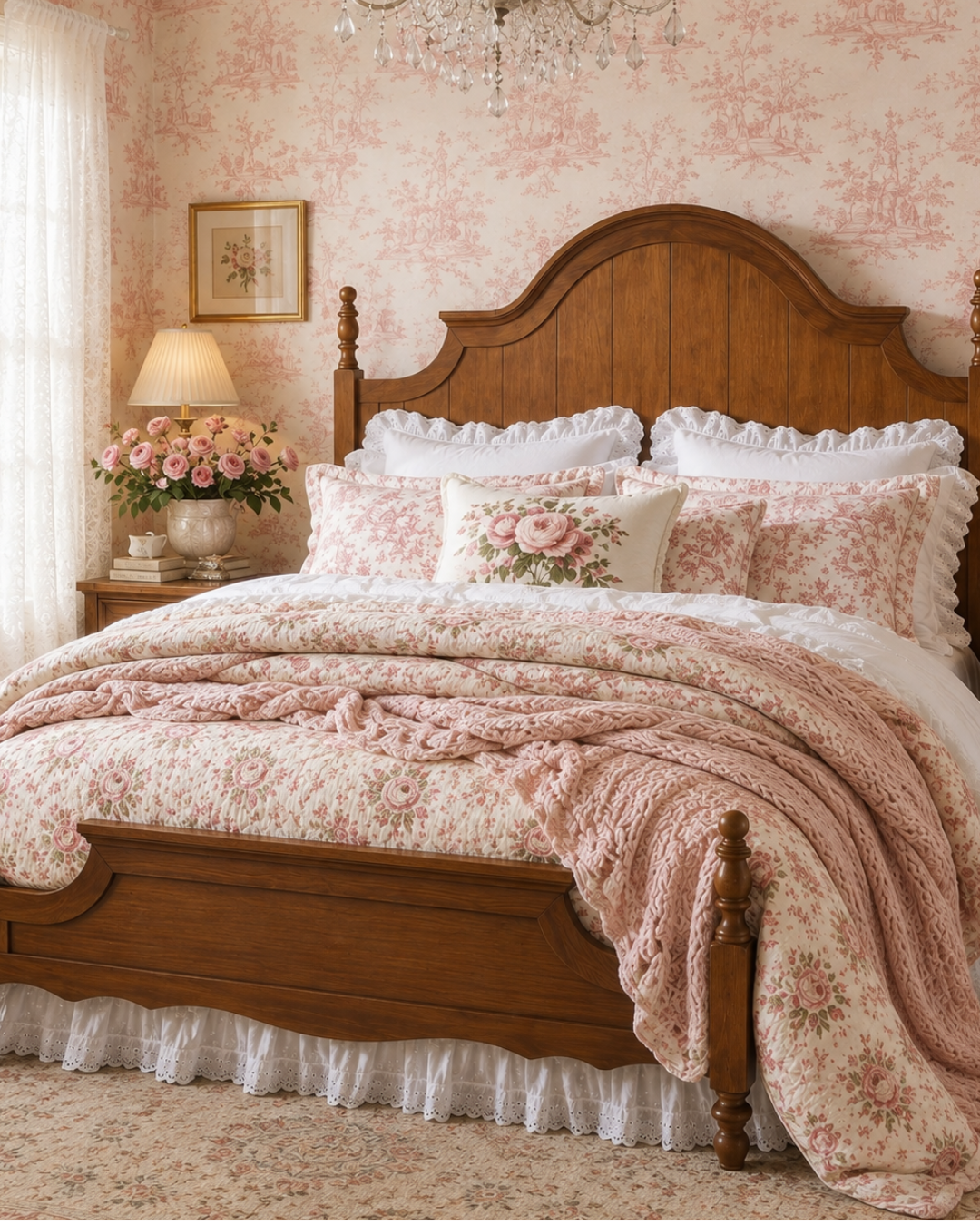
👉 Soft Knit Throw (perfect for that cozy, draped look)
⭐ Chunky Knit Throw Blanket in Blush
Perfect for cozy evenings and adding soft, romantic texture at the foot of the bed
Fringe Tassel Luxury Throw in White
A light, airy layer that adds movement and a relaxed cottage feel
👉 Classic Cottage Beds (anchors the room with timeless character)
⭐ Wooden Arched Four Poster - Inspired Bed
A statement piece that brings warmth, structure, and timeless cottage character
Antique White Metal Bed
A light and airy soft, perfect for a more delicate romantic cottage feel
Victorian Black Metal Bed with Gold Accents
Adds contrast and a hint of vintage drama while still feeling refined
White Wooden Arched Four Poster - Inspired Bed
A brighter alternative that keeps the classic silhouette while softening the overall palette
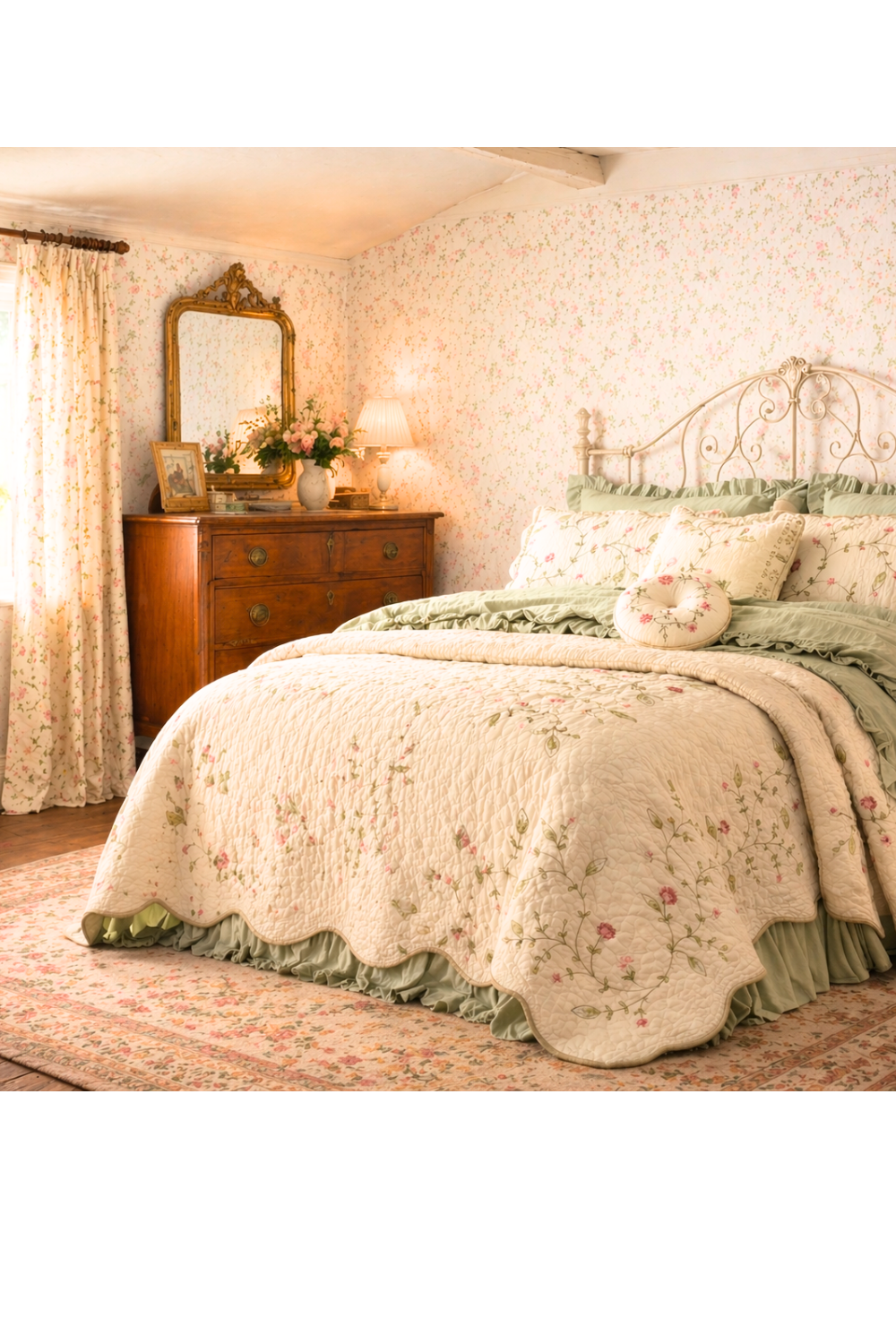
Recreate This Garden Cottage Look
Peony Garden Embroidered Scalloped Edge Coverlet
Green Opulent Long Ruffled Sheets
Elaborate Detail White Metal Bed
Botanical Wallpaper
Vintage Pink Floral Drapery
English Estate Carved Mirror
Rustic Chest of Drawers with Gold Fixtures
Polished Brass Desk Lamp
Heirloom Pink Floral Rug
Framed Floral Art Print
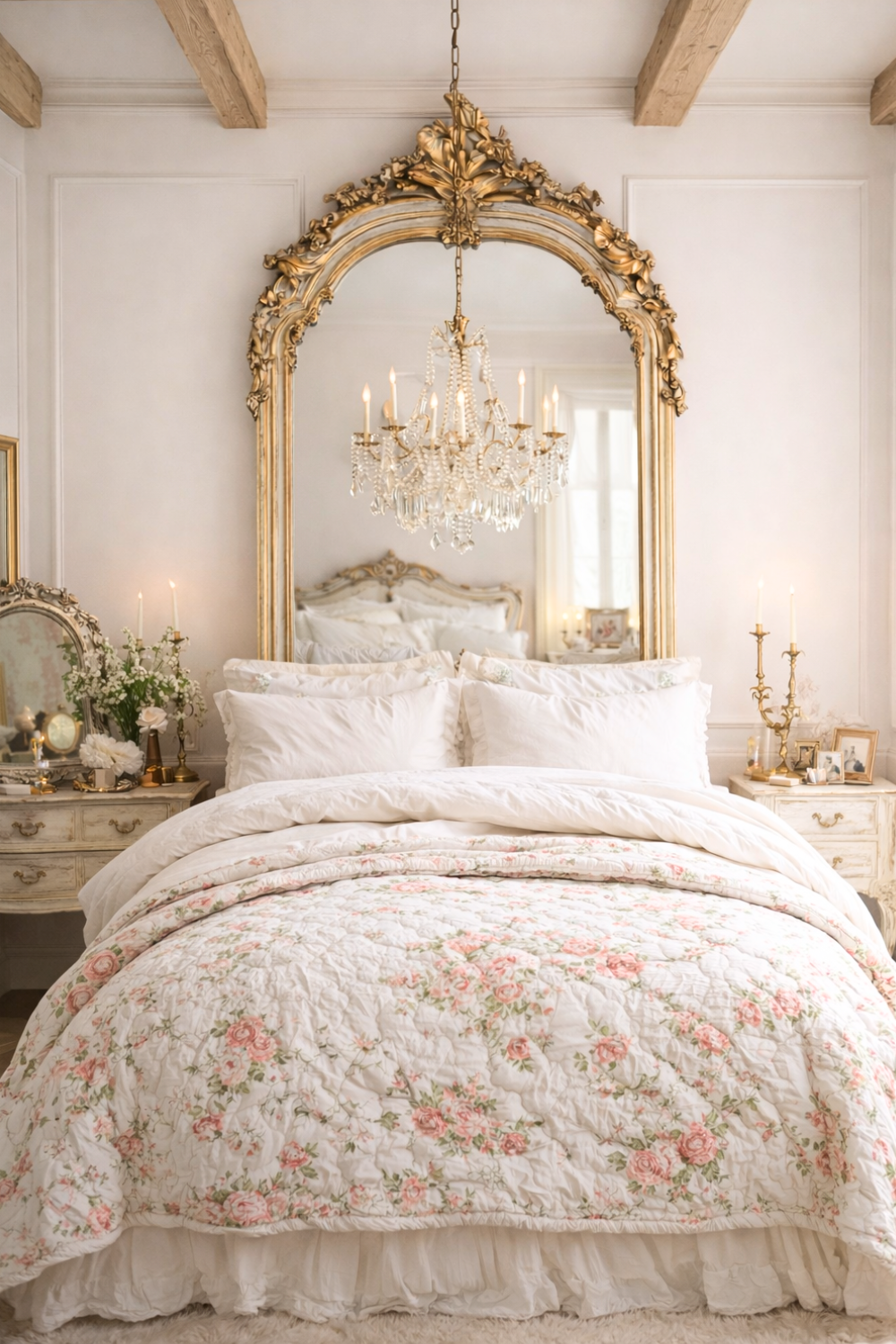
The French Cottage look
Nothing thrills me more than taking cozy elements from well-loved cottage antiques and bed linens and mixing them with glamour. A French Cottage look lets you skip the floral wallpaper for a more clean, elevated aesthetic while adding crystal chandeliers and ornate fire mantle pieces. A large, gilded mirror does wonders for making life worth living when you get up in the morning and in my opinion, it’s the best of the cottage ideal.
Recreate the French Cottage Look In Pink
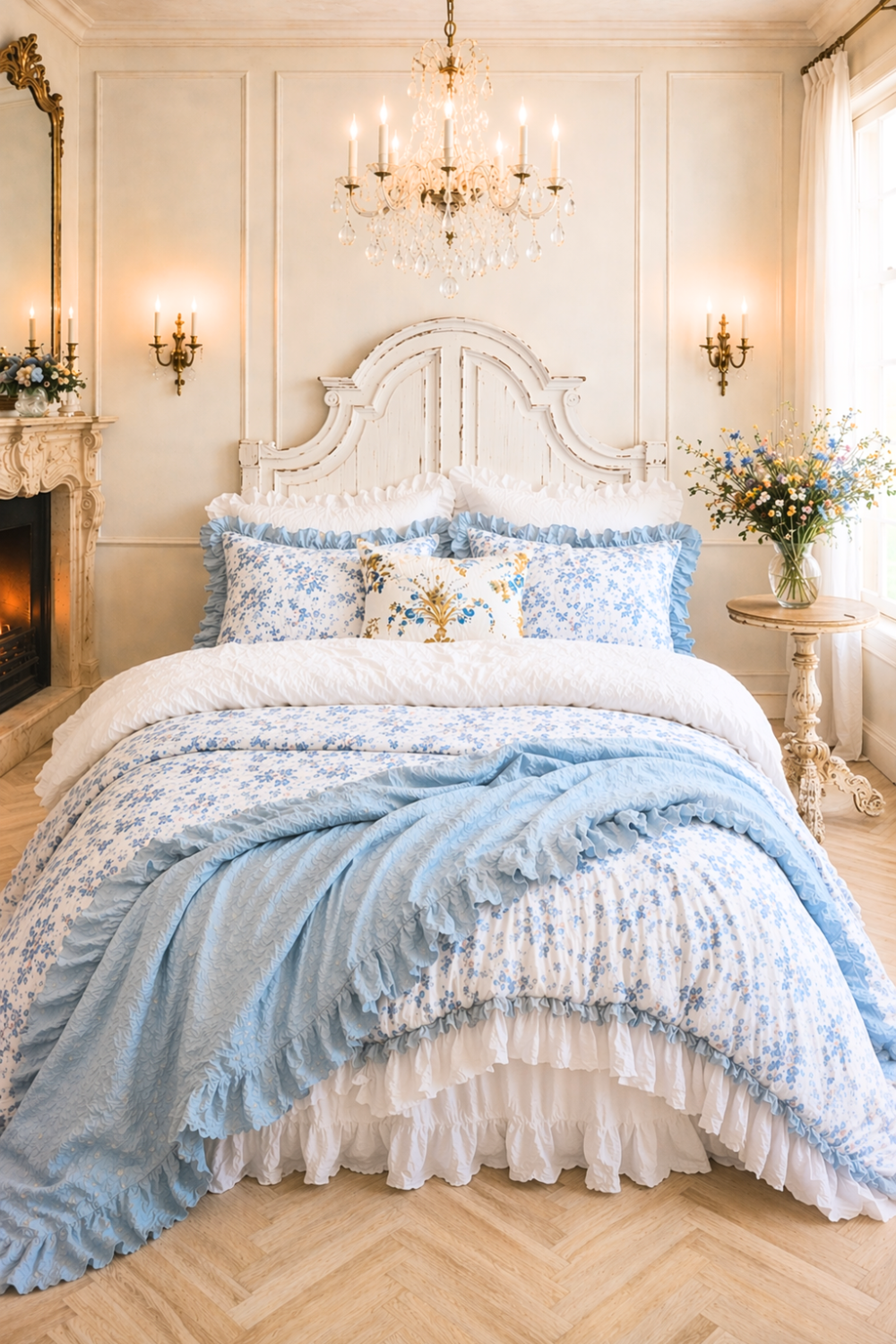
Recreate this French Cottage Look in BLUE
Antique white weathered panel headboard
Vintage botanical toile duvet cover in blue with blue ruffle
Washed cotton ruffled duvet cover in white
Washed cotton ruffled duvet cover in blue
Blue and yellow French country accent pillow
French linen ruffled bed skirt
Pinch pleat linen drapes
Baroque gilded mirror
French country side table with wood detail
Double brass candle French sconce
6 light crystal chandelier
Styling Tip : If you want to accomplish the thick, lush duvet look in the photo, put TWO duvets in the white ruffled duvet cover. This will help you achieve that thick turn down roll for deep coziness.
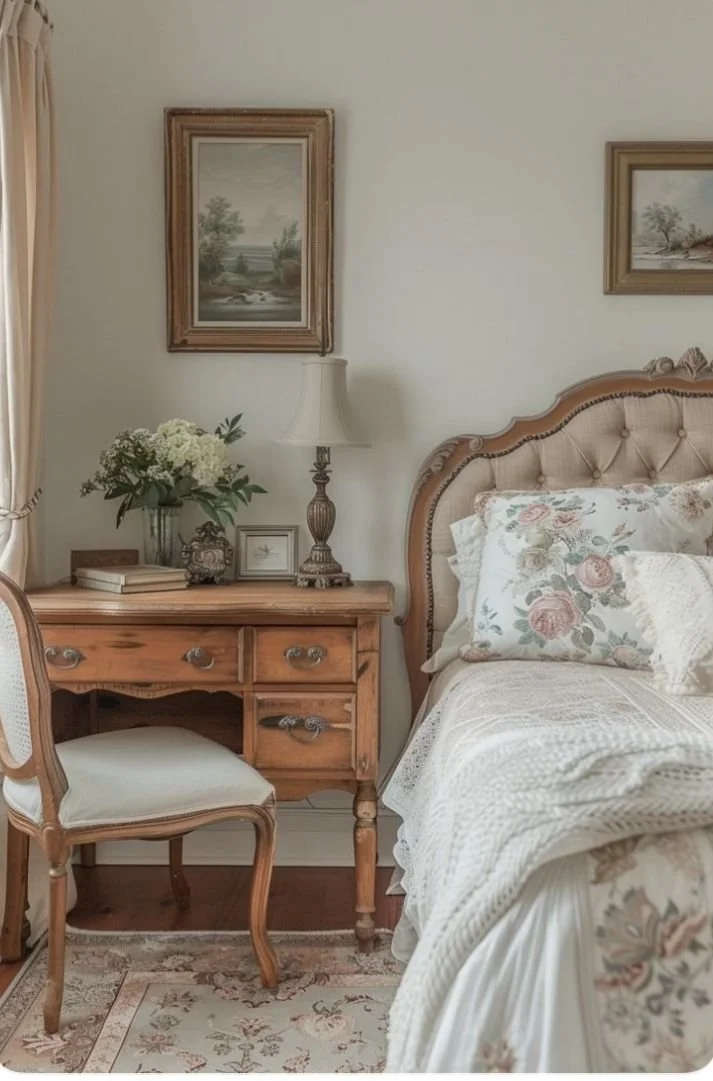
Cottage Writing Desks
Supporting furniture adds depth and personality without overpowering the softness of layered bedding.
👉 Shop cottage writing desks that bring both beauty and practicality:
⭐ Softly painted desk for a light and romantic workspace
Blends seamlessly into a soft cottage palette
Compact cottage writing desk with delicate detailing
Perfect for smaller spaces
Vintage-inspired vanity desk with subtle charm
Adds character and femininity:
The Importance of Wallpaper in Cottage Bedrooms
Wallpaper introduces depth and historic continuity to cottage bedrooms.
Floral Wallpaper
Soft florals bring gentle movement and romantic detail, echoing the layered textiles of cottage bedding.
👉 Shop floral wallpapers that create a timeless cottage backdrop:
⭐ Delicate floral wallpaper in soft pastel tones
The easiest way to create a romantic cottage atmosphere
Vintage-inspired floral pattern with romantic detailing
Adds depth and traditional charm
Light, airy floral wallpaper for a soft layered look
perfect for a more subtle approach
Botanical Wallpaper
Botanical patterns introduce a slightly more structured natural element while maintaining softness.
👉 Shop botanical wallpapers for a refined cottage feel:
⭐ Soft floral botanical wallpaper with a natural, airy pattern
brings structure while maintaining softness
Vintage botanical print with subtle detailing
adds classic character
Light botanical wallpaper in muted tones
perfect for a quieter, more understated look
Toile Wallpaper
Toile patterns add a sense of history and storytelling, grounding the room in classic European tradition.
👉 Shop toile wallpapers with timeless appeal:
⭐ Classic Toile Wallpaper in Soft Neutral Tones
the easiest way to introduce traditional European charm
Traditional Toile Pattern with Vintage Charm
adds depth and storytelling to the space
Layering pattern through wallpaper is what transforms a beautiful room into one that feels truly complete.
A Final Thought
A cozy cottage bedroom is shaped by layered textiles, timeworn furniture, and gentle light. When furnished with intention, it becomes a retreat defined by comfort and quiet continuity rather than trend.
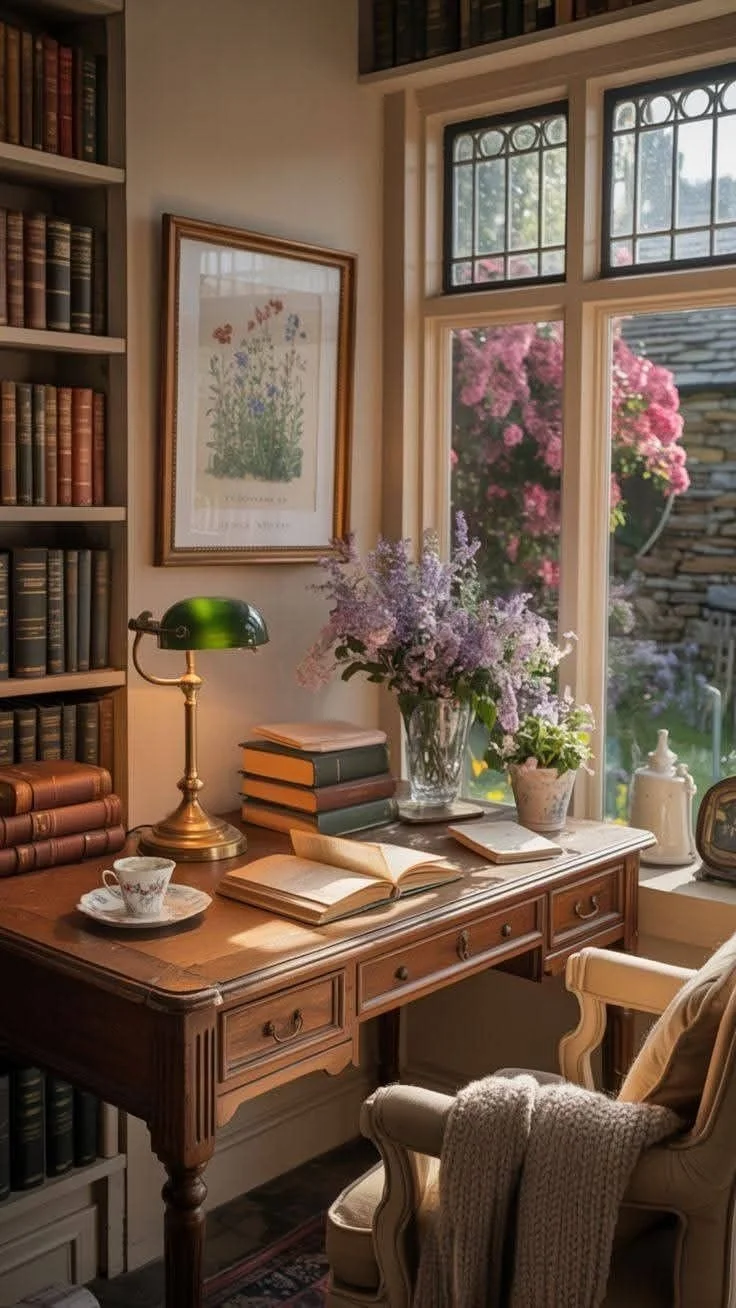
A Classic Writing Study
This post contains affiliate links. As an Amazon Associate, I earn from qualifying purchases at no additional cost to you.
From an early age, I imagined a personal corner lined with books and anchored by a weathered desk where stories could take shape. Films about writers and their intimate, lamplit rooms only deepened that vision — spaces layered with notebooks, art, and quiet intention.
A classic writing study is less about productivity and more about atmosphere. Often tucked beside a window or woven into a home library, these rooms invite reflection, reading, and unhurried thought. Soft natural light, timeworn desks, and shelves within reach create a setting where ideas unfold slowly and beautifully.
Shop the Look: Classic Writing Study Essentials
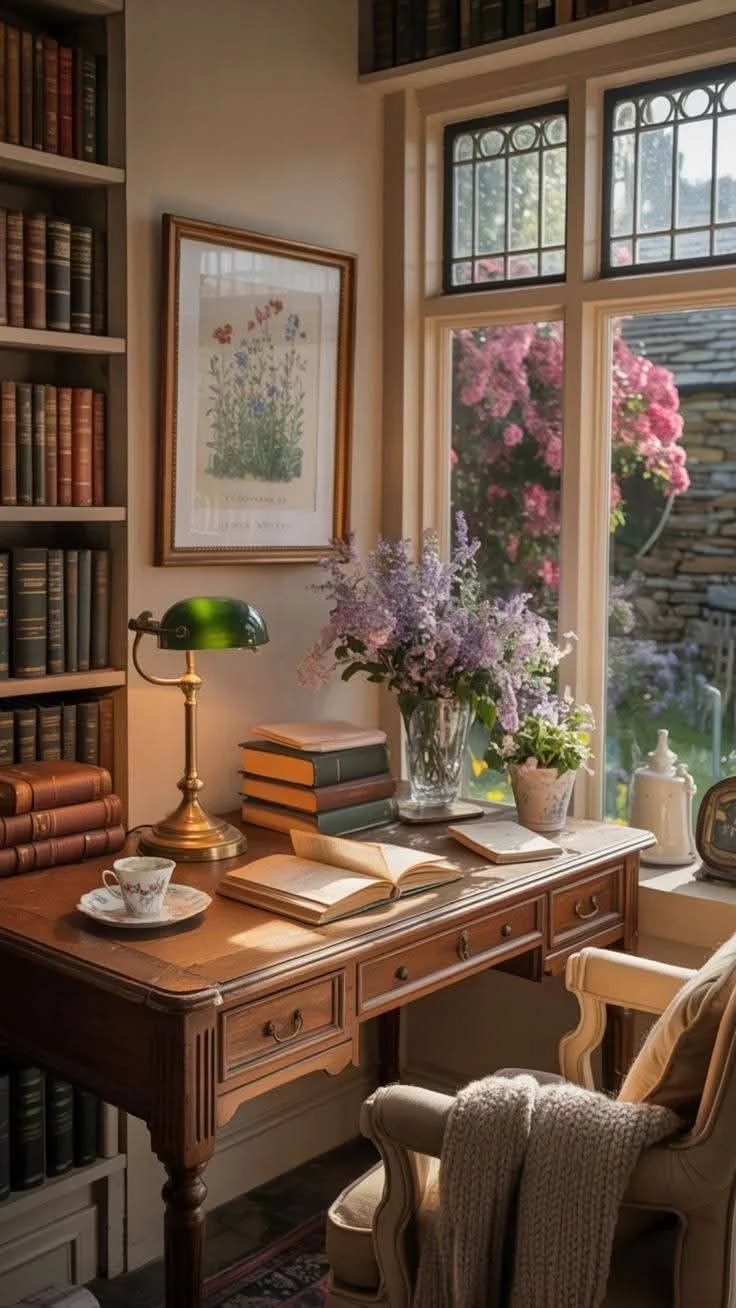
A writing study is defined by intention rather than scale. Unlike modern offices built for efficiency, these spaces are shaped by ritual — morning light across a desk, the familiarity of a well-used chair, books within reach.
At the center stands the desk itself. More than a functional surface, it establishes the rhythm of the room — shaping both its structure and atmosphere.
To recreate this feeling, begin with a thoughtfully chosen desk.
Writing Desk Options
Painted Writing Desk
Soft and decorative, a painted desk introduces elegance without heaviness
Shop painted French writing desks:
• French country writing desk in antique white
•French Dauphin desk in gray with gold accents
• Scallop Desk in light sage
Styling tip: Pair with a simple linen or cane-back chair to balance the detailing and maintain a sense of lightness.
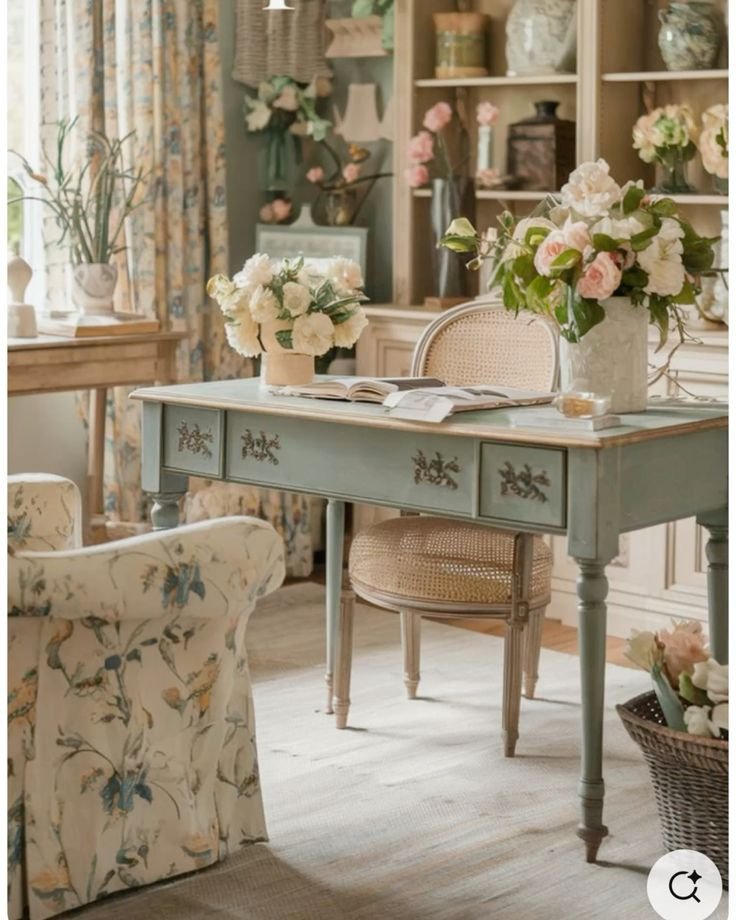
Traditional Wood Writing Desk
Substantial and grounded, a traditional wood writing desk lends quiet authority to a writing study. Rich wood tones introduce depth and permanence, anchoring the room while pairing beautifully with bookshelves, layered textiles, and warm, ambient lighting.
Shop traditional wood writing desks:
• Archivist Desk with four drawers
• Ornate Versailles desk in cherry
• Hand carved executive desk
Styling tip: Layer the desk with a few intentional pieces—such as a banker’s lamp, a small stack of books, and a writing tray—allowing the richness of the wood to remain the dominant feature.
Gilded Mirror Accents
A carved, gold-finished mirror adds vertical drama and historic ornament to a study. With intricate detailing and architectural presence, this style anchors the wall above a desk and reflects light across layered interiors.
Shop ornate gilded mirrors:
• Traditional wall mounted French gold mirror
• Ornate gilded arch mirror
• Vintage inspired Baroque mirror
Styling tip: Position above a writing desk or between bookcases to reflect light and create vertical balance, allowing the gilded frame to introduce warmth without overwhelming the space.
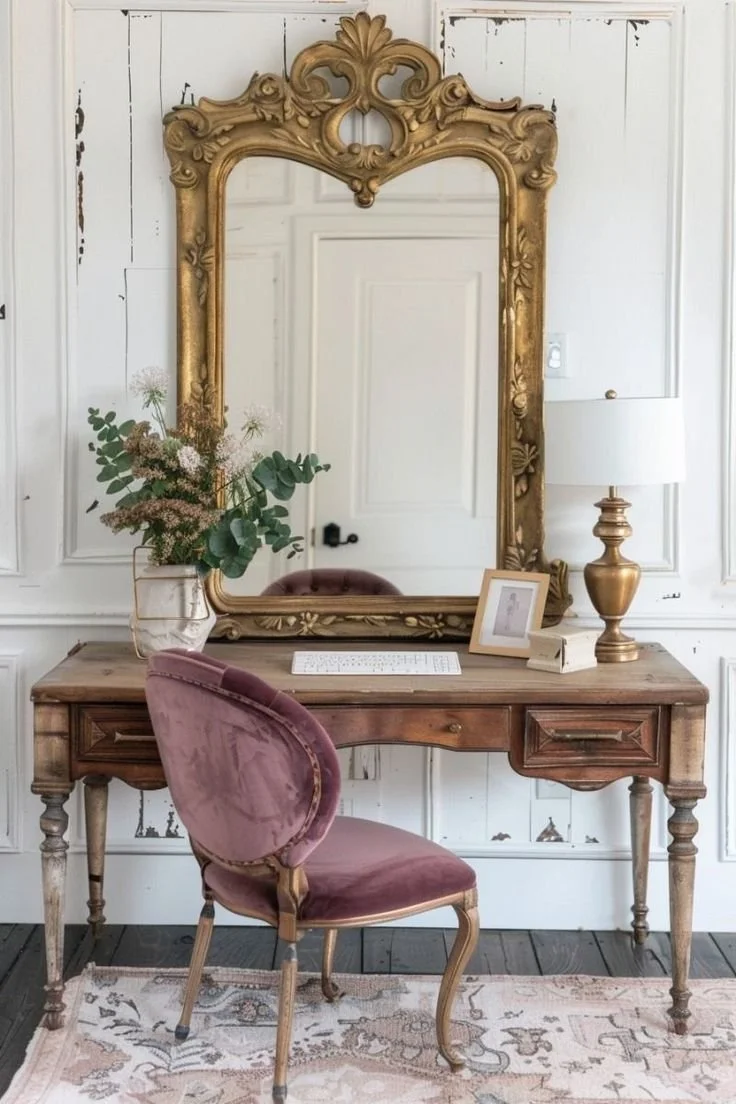

Shop This Look
Writing Chairs
A writing chair should feel considered rather than utilitarian — supportive enough for long hours, yet refined enough to belong within a historic interior.
Shop writing chairs:
• French bergere inspired chair
• Upholstered French accent chair
• French country linen chair
• Light oak French cane chair with velvet cushion
• Pink velvet tufted writing chair with nailhead trim and wheels
Styling tip: Choose neutral upholstery to balance ornate desks.
Lighting the Writing Study
Lighting in a writing study is less about brightness and more about mood. A well-chosen desk or library lamp introduces warmth and intimacy, creating a gentle pool of light that supports reading and writing without overwhelming the space. Traditional forms—often in brass, bronze, or shaded glass—feel at home beside books and wood surfaces, reinforcing the sense that this is a room meant for evening thought, quiet focus, and lingering moments rather than constant activity.
Shop writing study lighting
• Antique Bankers Green Lamp
• Antique brass table lamp
• Small traditional swivel arm desk lamp
• Tiffany desk top lamp
• Baroque pink stained glass floor lamp
• Antique brass swivel arm floor lamp
Styling tip: Use warm bulbs to maintain atmosphere.
Traditional & Vintage-Inspired Rugs
A richly patterned rug anchors a writing study with warmth and historical continuity. Whether Persian-inspired or softly faded, traditional rugs introduce depth beneath wood furniture, soften acoustics, and reinforce the layered character of a room devoted to reading and reflection.
Shop Persian inspired rugs :
• Ivory and sage vintage distressed rug
• Warm green and gold Persian inspired rug
• Muted pink and cream medallion rug
👉 Shop The Classic Study Look
• Distressed Vintage inspired desk
• French country armless chair
• Antique white wooden bookcase
• Vintage inspired floral wallpaper
• Faded pink and cream Persian inspired rug
• Gilded statement mirror
• Baroque oval portrait
• Vintage Tiffany floor lamp
• Brass banker’s reading lamp
A classic writing study is ultimately an extension of the home library — a room shaped by books, light, and intention rather than efficiency. Whether softly decorated or richly layered, it offers a space where reflection unfolds naturally. Designed with care, it becomes not merely a room, but a quiet companion to a life well read.
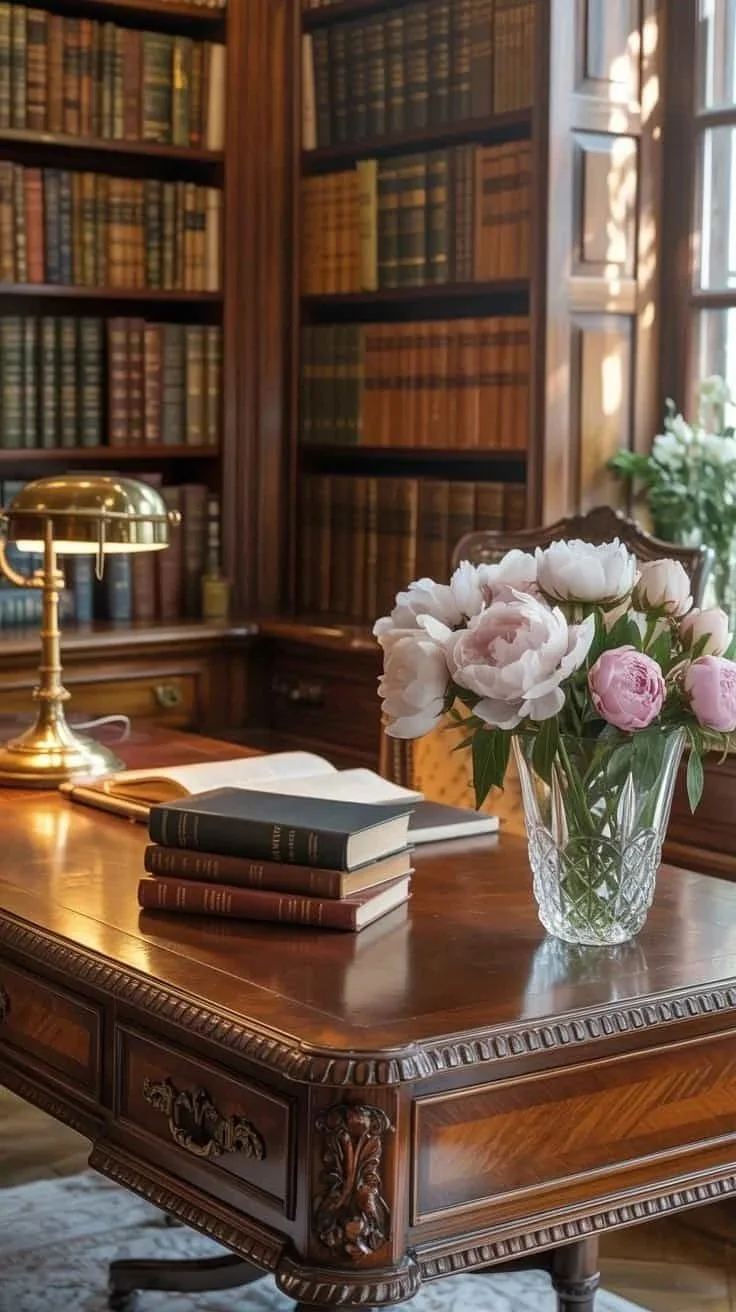
Elegant Home Libraries: Rooms for Thought and Beauty
The Enduring Purpose of the Home Library
This post contains affiliate links. As an Amazon Associate, I earn from qualifying purchases at no additional cost to you.
For centuries, private home libraries have symbolized intellect, stewardship, and cultivated taste. From Roman scroll collections to Enlightenment-era salons, these rooms were designed not merely to store books but to shape thought and conversation.
Today, the home library endures as a sanctuary — a room set apart for reading, writing, and quiet reflection. While rare volumes may be fewer, the intention remains: a space where attention slows and beauty supports contemplation.
Shop the Look
Create a timeless and contemplative home library with these classic elements:
Traditional carved wood writing desk
Floor-to-ceiling bookcase or shelving
Banker-style desk lamp
Persian-style rug
Classical bust sculpture

What Makes an Elegant Library Feel the Way It Does?
An elegant library is defined less by size and more by atmosphere. Warm wood tones, layered lighting, and inward-facing seating create a sense of enclosure and stillness. Bookshelves feel collected rather than staged; lamps soften the room rather than flood it. The result is dignified, contemplative, and quietly powerful.
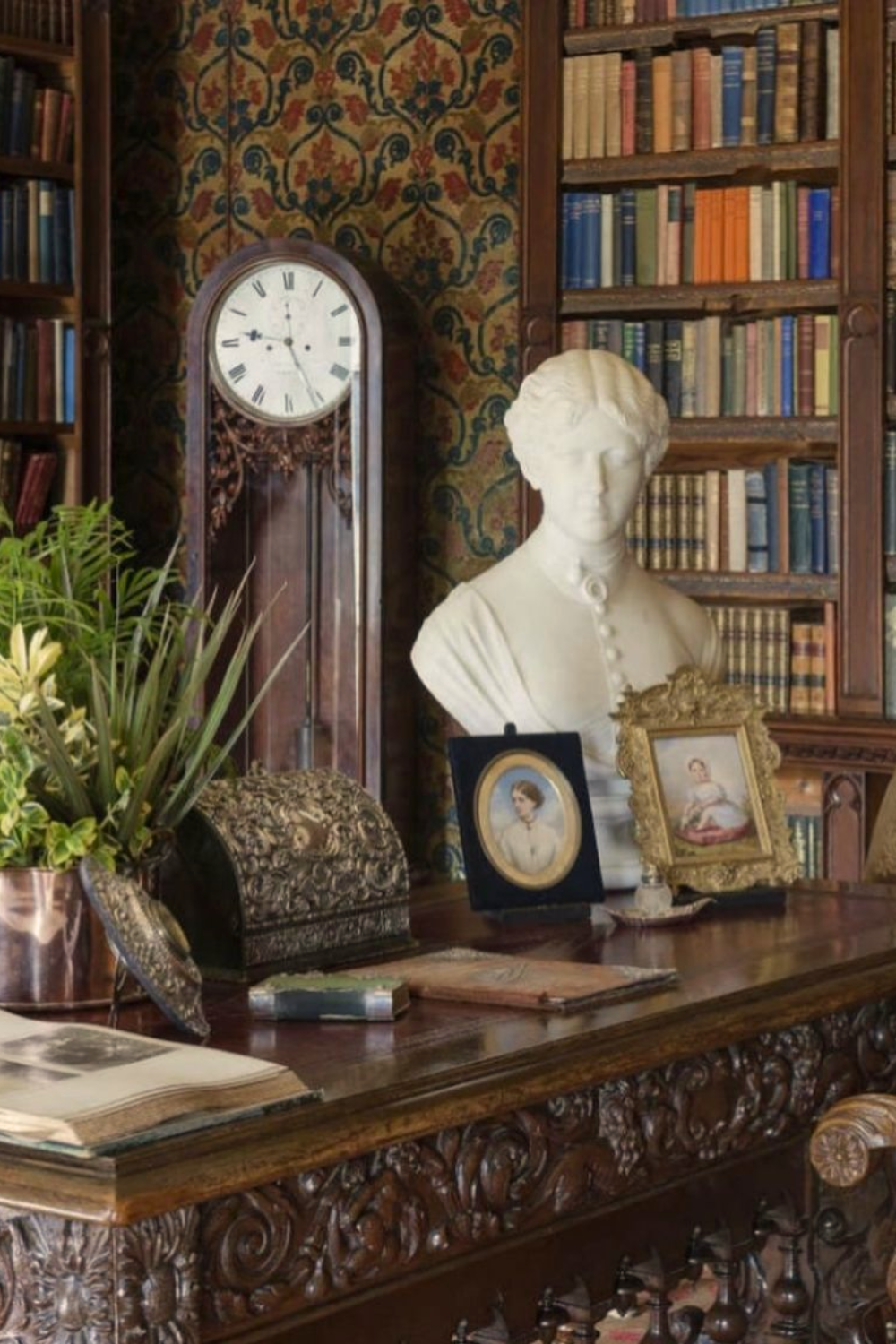
Writing Desk
Shop traditional carved wood desks that anchor a refined home library:
Library Bookcases
Shop solid wood and built-in style bookcases that create architectural depth:
Styling tip: Leave slight negative space between sections to avoid visual heaviness.
Statement Library Lighting
Shop historically inspired library lighting that creates warmth and focus:
Styling tip: Warm bulbs (2700K) maintain intimacy and depth.
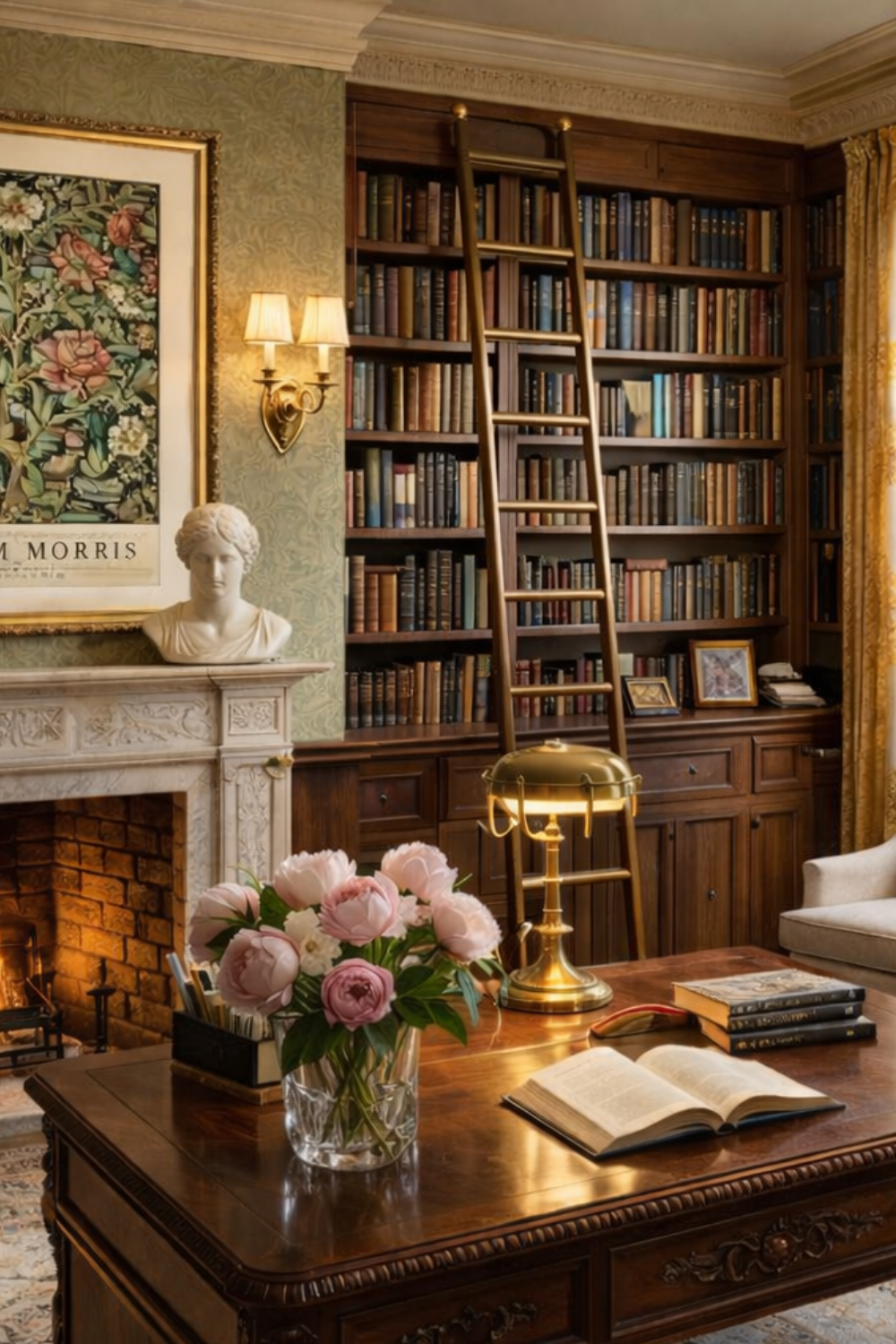
CREATE THE TRADITIONAL ENGLISH LOOK
A refined home library is built through layering — warm wood, soft lighting, and carefully chosen decorative elements.
Writing Desk
Classical Bust
Persian-Style rug
Floor Length Bookcase with Ladder
William Morris Art Print
Gold Desk Reading Lamp
French Accent Chair
Persian-Style Rug
Shop Persian-style rugs that ground and soften the space:
Styling tip: Choose time-softened tones rather than high-contrast patterns.
Artwork
Shop classical artwork that adds cultural depth and vertical balance:
Framed Classical Reproduction Artwork
Gilded Frame Wall Art
Traditional Oil-Style Prints
Styling tip: Gilded or dark frames reinforce traditional tone.
Wallpaper & Architectural Depth
Shop traditional wallpaper patterns that create warmth and enclosure:
Styling tip: Deeper tones increase intimacy; lighter tones preserve openness.
Grandfather Clock
Shop traditional grandfather clocks that add height and historic presence:
Styling tip: Place where natural light highlights wood detailing.
Classical Busts
Shop classical bust sculptures that add intellectual character:
Gilded Frames & Miniature Portraits
Shop small framed artwork for layered detail:
Styling tip: Limit decorative objects to maintain intellectual focus.
Bound Books
Shop beautifully bound editions that elevate your shelves:
The Garden Library
A quiet morning room at the edge of the garden—a sanctuary for reading, reflection, and thoughts allowed to wander. Surrounded by books, flowers, and the changing view beyond the window, it is a room designed not for productivity, but for the luxury of thinking slowly.
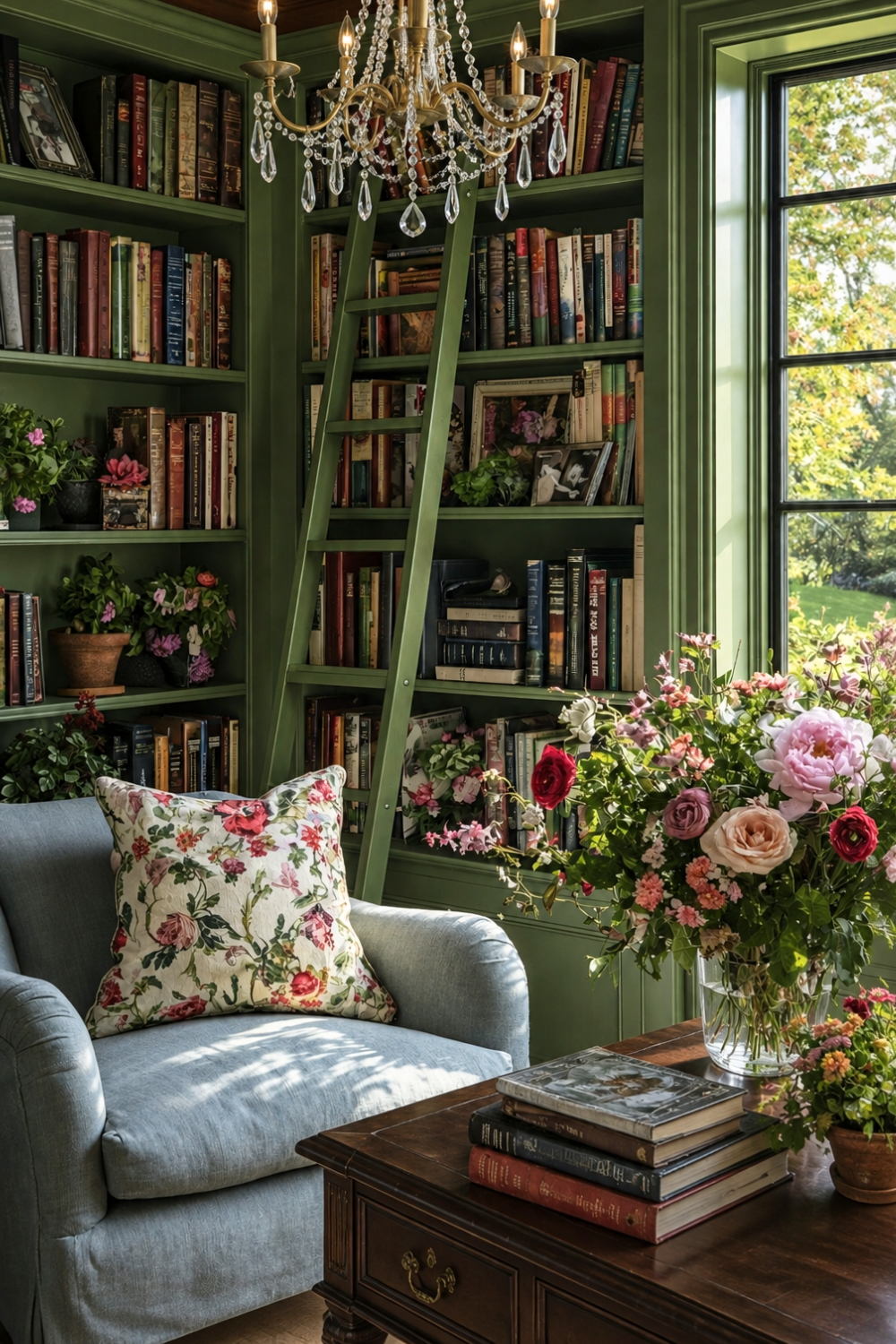
The Garden Library Collection
Green Bookcase
The foundation of the room. A traditional bookcase in a deep garden green gives even a newer space the feeling of an old English library—and allows books, flowers, photographs, and collected objects to become part of the decoration.
Library Ladder
Few things say proper library quite like a rolling ladder. Beyond its practical purpose, it brings height and architectural character to a wall of books and creates that wonderful sense of a library accumulated over generations.
Light Blue Reading Chair
A soft counterpoint to all that rich green. The pale blue upholstery keeps the library fresh and inviting while creating a comfortable place to settle beside the window with a book and morning coffee.
Floral Throw Pillow
This is where the garden begins to creep indoors. A romantic floral pillow connects the upholstered chair to the flowers outside the window and softens the more serious architecture of the bookshelves and desk.
Antique Wooden Desk
Every garden library deserves a place for thoughts to land. A substantial dark-wood desk adds warmth and permanence—a place for an open book, handwritten notes, correspondence, or simply a vase overflowing with whatever is blooming outside.
Crystal Chandelier
An unexpected bit of elegance overhead. The crystal chandelier catches the morning light and keeps the room from becoming too rustic or academic, adding just enough old-world sparkle to make the library feel special.
Heirloom Roses
The finishing touch—and perhaps the most important one. Loose arrangements of romantic heirloom-style roses blur the boundary between library and garden, bringing fragrance, color, and a little beautiful imperfection into a room devoted to quiet thought.
The French Library — The Luxury of Another Era
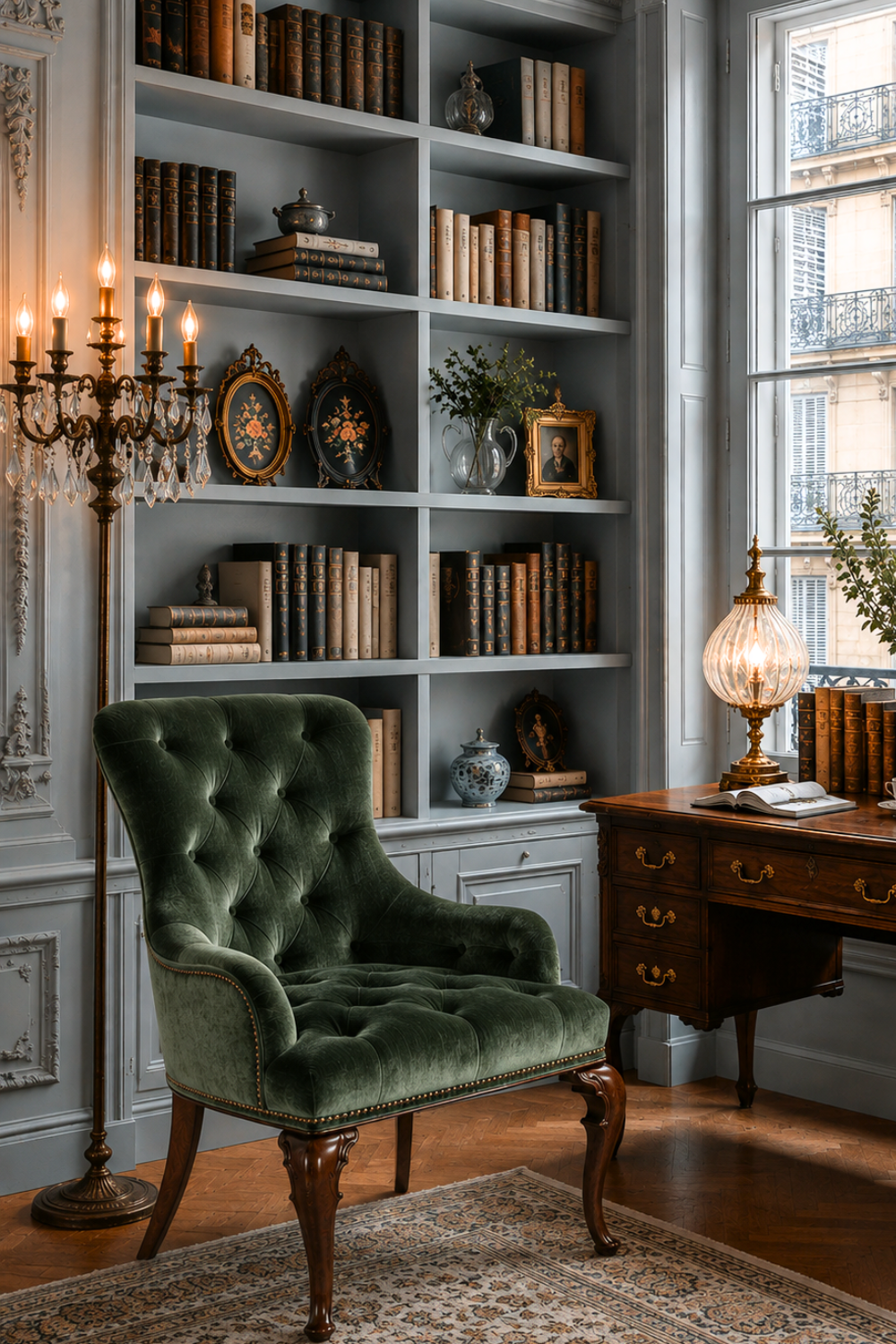
There is a particular elegance in a room that refuses to hurry. Rich mahogany, French blue velvet, crystal, old books and collected objects recall an era when beauty was considered part of everyday life. The French home library brings that refinement into the present—a private retreat for reading, writing and lingering awhile in the quiet luxury of the past.
Create the French Library Look
French green Velvet Armchair
A graceful French-inspired chair upholstered in deep green velvet brings both formality and comfort to the library. Its carved wooden legs and tufted proportions create the perfect place to settle in with an old novel and disappear for an afternoon.
Tall Traditional Wooden Bookcase
Paint it French blue! A tall wooden bookcase brings the architecture and permanence of an old private library to even an ordinary room. Fill the shelves generously with books, framed portraits and collected objects to create the layered, lived-in feeling of a library assembled over time.
Victorian Architectural Decals
Ornamental Victorian decals are an unexpectedly simple way to introduce the carved detail of a historic European interior without major renovation. Applied to walls, molding, cabinetry or built-ins, they can give plain architectural surfaces the graceful flourishes and old-world character of another era. Listed here is just one example of decals that can achieve a luxury look.
Antique Cherry Wood Writing Desk
A richly finished cherry wood desk gives the room the weight and permanence of a piece collected over generations. Look for traditional carved details, warm wood tones and an expansive writing surface worthy of handwritten letters, favorite books and morning correspondence.
Crystal Floor Candelabra
Part lighting, part ornament, a crystal-draped floor candelabra introduces the unapologetic romance of another era. Tucked beside the reading chair, its warm glow transforms an ordinary corner into something wonderfully old-world and intimate.
Crystal Pendant Desk Lamp
A jewel-like crystal lamp adds a pool of warm light to the writing desk while echoing the sparkle of the candelabra across the room. Antique brass detailing and faceted glass give this practical piece the feeling of something discovered in a beautiful old Paris apartment.
An elegant home library is shaped slowly — through books chosen with care, furniture built to endure, and objects gathered with intention. Anchored by substantial wood, thoughtful lighting, and layered textiles, it becomes more than a room. It becomes a sanctuary of intellect and reflection.
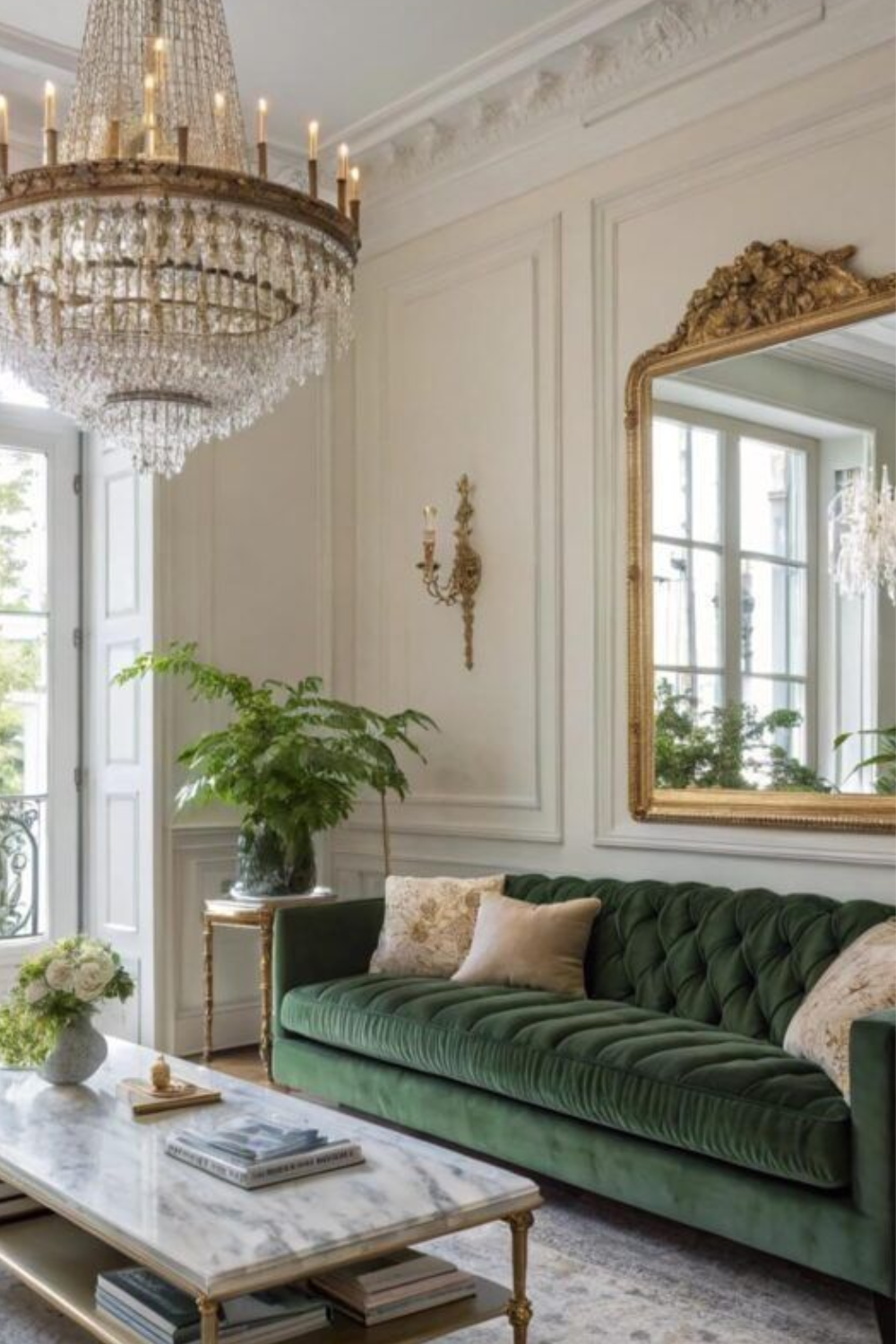
Timeless Parisian Apartment Design
*This post contains affiliate links. As an Amazon Associate, I earn from qualifying purchases at no additional cost to you.
Parisian apartments embody a quiet elegance shaped by history, proportion, and restraint. For centuries, their architectural integrity and disciplined balance of ornament and simplicity have defined what timeless design truly means.
Shop the Look
Bring the quiet elegance of a Parisian interior into your home with these timeless pieces:
The Language of Timeless Parisian Design
“Timeless Parisian Design” has much to do with the influence of French Official, Baron Haussmann, who transformed the heart of the city at Napoleon the 3rd’s request in 1853. Under Hausmann’s direction, Paris emerged from an overcrowded, medieval backwater to the fabled city of light. The tree-lined boulevards, stone exteriors and wrought iron balconies that would eventually be known as “La Belle Epoque” (the beautiful period). This signature feel of open air and light is reflected in Parisian interiors with deeply set floor to ceiling windows, original herring bone floors, and gilded mirrors. Today, this classic design tradition continues with furnishings and decorative details that remain understated. Pieces are chosen for longevity rather than novelty: a well-worn armchair, a marble-topped table. The result is a layered elegance that feels lived-in and intentional, where beauty emerges quietly and endures without effort.
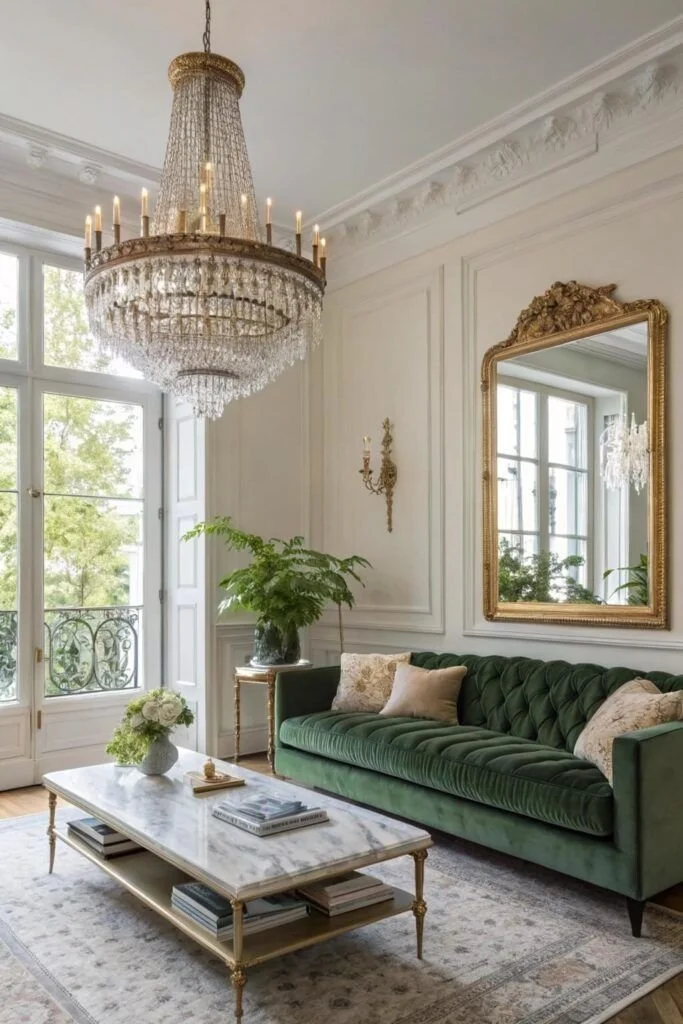
The Parisian Living Room Look
Explore Grand French Empire chandeliers
Explore Grand French Empire chandeliers that create dramatic height and classic Parisian elegance:
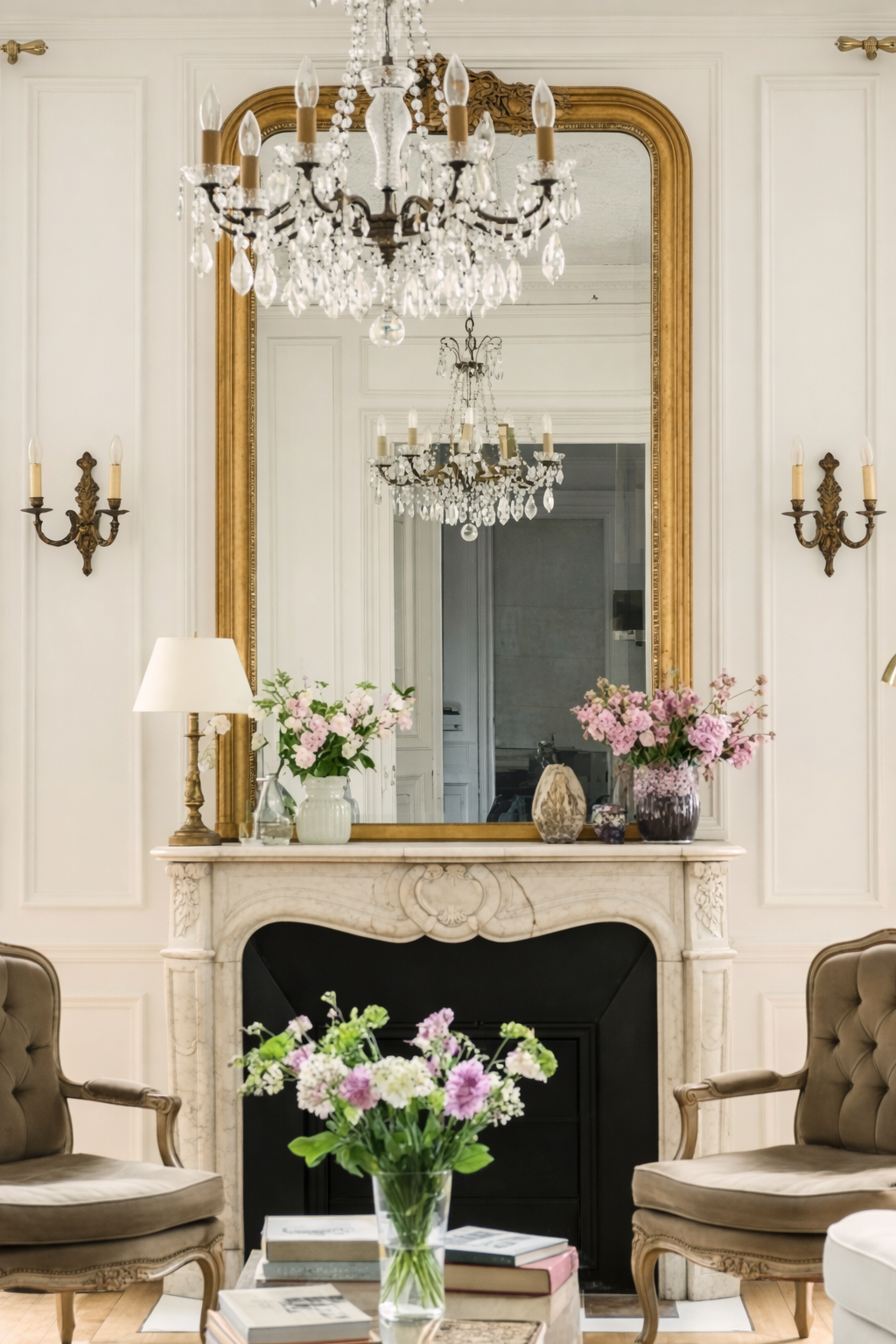
Create the Look
A Parisian interior comes together through balance — a statement chandelier, a grounded sofa, and reflective elements like mirrors and marble surfaces.
Gilded Mirrors
Shop tall gilded mirrors that reflect light and create height within the room:
Sofas
Shop Parisian style sofas :
Coffee Table
Explore marble and stone coffee tables that add weight and contrast:
Lighting
Shop classic table lamps that add warmth and layered lighting:
Timeless Parisian design is built slowly, beginning with a few foundational pieces that bring both structure and elegance to a space.